
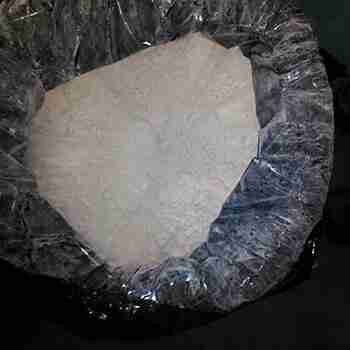
N-[(3a,5b)-3-hydroxy-24-oxocholan-24-yl]-(9CI) Glycine CAS 474-74-8
Chemical Name: N-[(3a,5b)-3-hydroxy-24-oxocholan-24-yl]-(9CI) Glycine
CAS No.: 474-74-8
Molecular Fomula: C26H43NO4
Molecular weight:?433.63
Appearance: Solid
Description
N-[(3a,5b)-3-hydroxy-24-oxocholan-24-yl]-(9CI) Glycine Quick Details
Chemical Name: N-[(3a,5b)-3-hydroxy-24-oxocholan-24-yl]-(9CI) Glycine
CAS No.: 474-74-8
Molecular Fomula: C26H43NO4
Chemical Structure:
Molecular weight:?433.63
Appearance: Solid
Typical Properties
ITEMS
SPECIFICATION
Melting point
212-214 ??C
Boiling point
546.95??C (rough estimate)
Density
1.0738 (rough estimate)
?
N-[(3a,5b)-3-hydroxy-24-oxocholan-24-yl]-(9CI) Glycine application:
It is a bile acid with anti-tumor activity that can target drug-resistant pump and non-drug-resistant pump pathways.
Packaging and Shipping?
customized according to customer needs.
N-[(3a,5b)-3-hydroxy-24-oxocholan-24-yl]-(9CI) Glycine Storage
It should be stored in a clean, dry and cool place, preventing from sunlight, rain.
Related Products

Benzothiazoles are a class of chemical compounds characterized by a fused benzene and thiazole ring. They exhibit a broad spectrum of applications, particularly as antioxidants in rubber and plastic industries, enhancing product longevity and performance. Additionally, benzothiazoles serve as key intermediates in the synthesis of pharmaceuticals, contributing to the development of life-saving drugs. Recognized for their stability and reactivity, these compounds are integral to advancing material science and healthcare solutions.
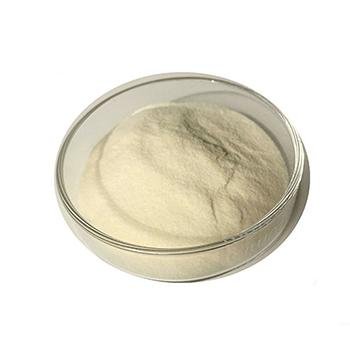
Chemical Name: Quercetin-3-O-sophoroside
CAS No.: 18609-17-1
Molecular Formula: C27H30O17
Molecular Weight: 626.52

Polyhexamethylene guanidine hydrochloride, often abbreviated as PHMG-HCl, is a high molecular weight polymeric biguanide compound known for its potent antimicrobial properties. With a chemical structure that features a long chain of methylene groups bridged by guanidine units, PHMG-HCl is effective against a broad spectrum of microorganisms, including bacteria, viruses, and fungi.
This hydrochloride salt form of PHMG is highly soluble in water and is commonly used in various applications due to its non-irritant and non-toxic nature to human skin and mucous membranes. It is widely recognized for its ability to form a colorless and odorless solution, making it an ideal choice for use in personal care products, medical disinfectants, and water treatment processes.
The versatility of PHMG-HCl lies in its cationic nature, which allows it to bind to negatively charged microbial cell walls, disrupting their integrity and leading to cell death. This mechanism of action contributes to its effectiveness as a preservative and disinfectant. Moreover, its substantivity, or the ability to adhere to surfaces, enhances its long-lasting antimicrobial activity.
In summary, Polyhexamethylene guanidine hydrochloride is a reliable and efficient antimicrobial agent, pivotal in industries where hygiene and cleanliness are paramount, offering a safe and sustainable solution for microbial control.
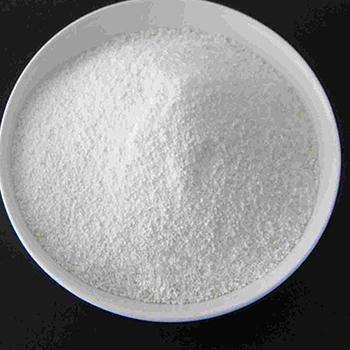
Chemical Name: Dehydrocholic acid
Synonyms: Acide dehydrocholique; Triketocholanic acid
CAS No.: 81-23-2
Molecular Formula: C24H34O5
Molecular Weight: 402.53
Appearance: Powder
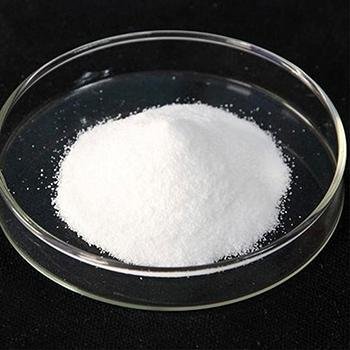
Chemical Name: UV-120
Other Name: (2’,4’-Di-tert-butylphenyl 3,5-di-tert-butyl-4-hydroxybenzoate)
CAS No.: 4221-80-1
Molecular Fomula: C29H42O3
Molecular weight: 438.66
Assay: ≥99%(LC)

Ethylhexyl Palmitate is a skin-conditioning ester, derived from ethylhexanol and palmitic acid, that imparts moisturization and a smooth texture to cosmetic and personal care formulations. It is valued for its emollient properties, enhancing the sensory experience of skin care products.
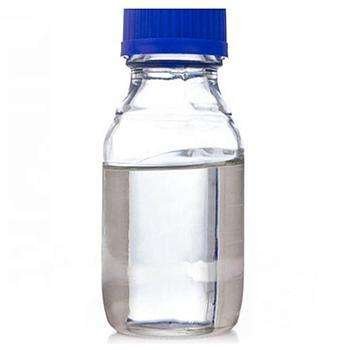
Chemical Name: STODDARD SOLVENT
CAS No.: 64742-88-7
Appearance: Colorless or Light Yellow Liquid
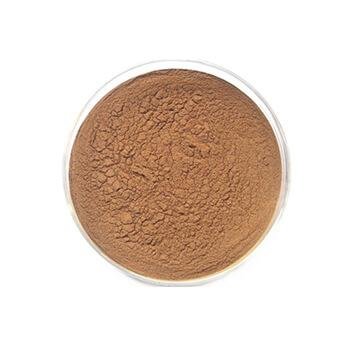
Chemical Name: Ashwagandha Extract
Synonyms: Withania somnifera, ext.; Withania Somnefera Extract
CAS: 90147-43-6
Appearance: Brown

Butylated Hydroxytoluene (BHT) is a synthetic phenolic antioxidant commonly added to foods, cosmetics, and packaging to prevent the oxidation of fats and oils, thereby extending their shelf life. It is also used as a preservative in a variety of products, including rubber, petroleum products, and animal feed. BHT is recognized for its effectiveness in maintaining nutrient levels, color, flavor, and odor in food products . It is known to have a melting point of 69-71??C, a boiling point of 265??C, and is soluble in ethanol, acetone, and benzene, but not in water, glycerin, or propylene glycol . BHT is also used in some dietary supplements due to its antioxidant properties . However, it is important to handle BHT with care, as it can cause skin irritation and is considered harmful if swallowed .
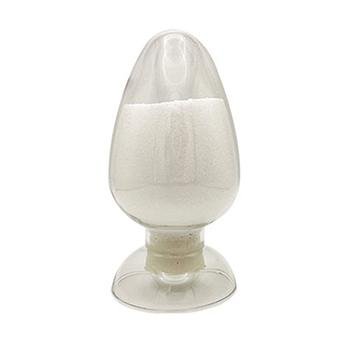
Chemical Name: Imazalil Sulfate
CAS No.: 58594-72-2
Molecular Formula: C14H14Cl2N2O.H2SO4
Molecular Weight: 395.26
Appearance: Solid
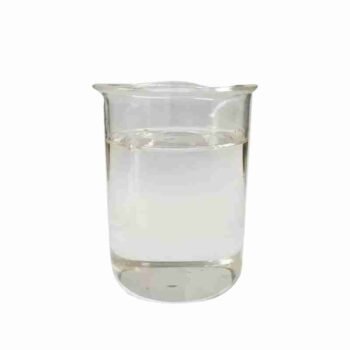
Silicone oil, known for its chemical designation as dimethicone or polydimethylsiloxane, is a synthetic polymer with a backbone of alternating silicon and oxygen atoms, creating a highly versatile and stable compound. It is renowned for its exceptional lubricating properties, heat resistance, and non-toxic nature, making it a staple in various industries, including cosmetics, automotive, and aerospace.
This hydrophobic, non-volatile oil is valued for its ability to provide a smooth, non-greasy feel and to form stable emulsions with other ingredients. In personal care products, silicone oil is used to impart a silky texture, reduce friction on the skin, and create a protective barrier against environmental stressors without clogging pores.
Silicone oil’s chemical inertness and resistance to oxidation contribute to its long shelf life and stability in formulations. It is also appreciated for its compatibility with a wide range of substances, allowing for the creation of multifunctional products.
In summary, silicone oil is a reliable and multifaceted ingredient, offering a combination of performance, safety, and sensory benefits. Its use in a variety of applications reflects its versatility and enduring appeal in the marketplace.

N,N-Dimethylaniline is an organic compound with amine and methyl groups attached to a benzene ring. It is a colorless liquid with a characteristic amine odor. This compound is primarily used as a chemical intermediate in the synthesis of dyes, pigments, and polymers. Its reactivity makes it a valuable building block in the production of various organic compounds, particularly in the pharmaceutical and chemical industries.



Reviews
There are no reviews yet.