
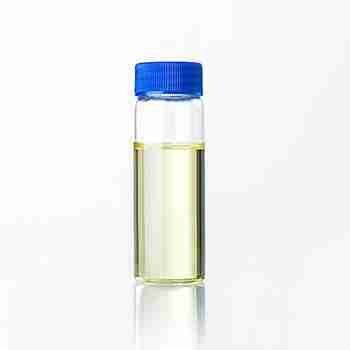


Description
(+)-LONGIFOLENE Details
Chemical Name: (+)-LONGIFOLENE
Synonyms: D-longifolene; Longifolene solution
CAS No.: 475-20-7
Molecular Formula: C15H24
Molecular Weight: 204.35
Molecular?Structure:
Appearance: Oil
Typical?Properties
Boiling Point
254???C706?mm Hg(lit.)
Color
Colorless to light yellow
Appearance
Oil
Storage
2-8??C
Density
0.928?g/mL?at 25???C(lit.)
Refractive Index
n20/D 1.504(lit.)
Solubility
Chloroform (slightly soluble), ethyl acetate (slightly soluble), methanol (slightly soluble)
?
(+)-LONGIFOLENE Usage
Longifolene is a natural fragrance extracted from heavy turpentine. It has special chemical activity and is a raw material for synthetic resins, synthetic fragrances, flotation agents, and organic synthesis.
Used to make spices or prepare flavors
Packaging and Shipping
Packing: 25KG/Bag
(+)-LONGIFOLENE Storage
Keep in a well-ventilated, dry, and cool place.
Related Products
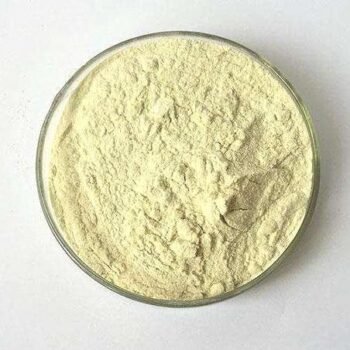
Chemical Name: o-Xylene
Synonyms: 1,2-Dimethylbenzene; ortho-xylene
CAS No.: 95-47-6
Molecular Formula: C8H10
Molecular Weight: 106.17
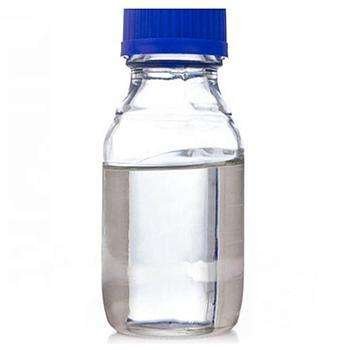
Chemical Name: STODDARD SOLVENT
CAS No.: 64742-88-7
Appearance: Colorless or Light Yellow Liquid

Chemical Name: Zinc citrate
Synonyms: Zinc citrate trihydrate
CAS No.: 546-46-3
Molecular Formula: C6H8O7Zn
Molecular Weight: 257.5
Appearance: White powder
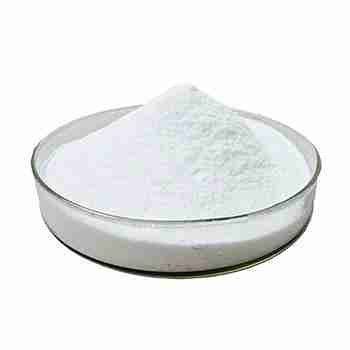
Chemical Name: (-)-Alpha-cedrene
Synonyms: levo-alpha-cedrene; ??-Cedrene
CAS No.:?469-61-4
Molecular Fomula:?C15H24
Molecular weight: 204.35
Appearance: White?powder
Assay????99.0%
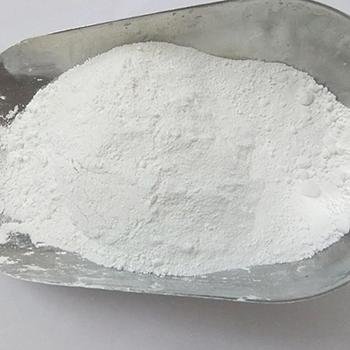
Product name:Cyclopentane
Purity:96%
Appearance:White powder
Package:25kg/bag
Sample:Available
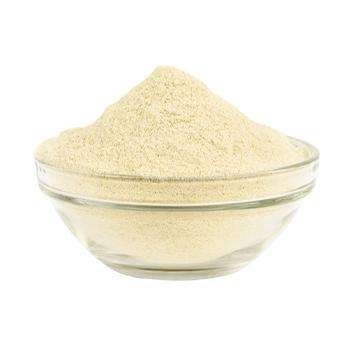
Chemical Name: Arabic gum
CAS No.: 9000-01-5
Appearance: powder
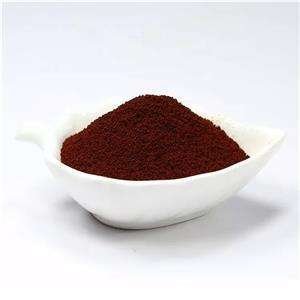
Chemical Name: Choline salicylate
CAS No.: 2016-36-6
Molecular Formula: C12H19NO4
Molecular Weight: 241.28
Appearance: Red-Brown Crystal
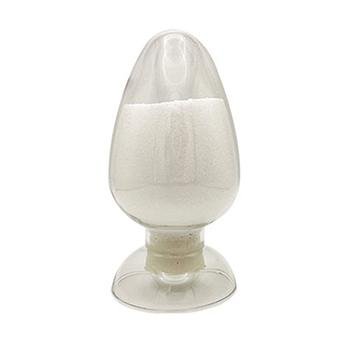
Chemical Name: Imazalil Sulfate
CAS No.: 58594-72-2
Molecular Formula: C14H14Cl2N2O.H2SO4
Molecular Weight: 395.26
Appearance: Solid
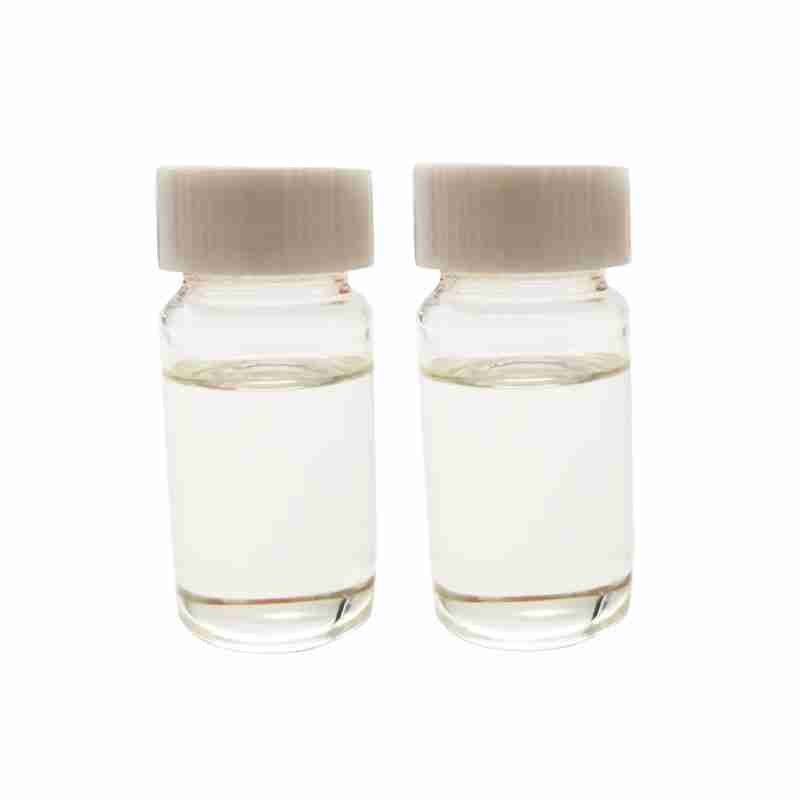
Cis ?C 3-Methyl-4-octanolide, also known as cis- ??- methyl- ??- Octalactone or 5-butyldihydro-4-methylfuran-2 (3 H) ?C one, a compound of lactone family, chemical formula C9H16O2. It exists as two optical isomers: 3 R, 4 R (??+??) and 3 S, 4 S (??-??).
3S, 4S isomers, commonly known as whisky lactone or oak lactone, are important components in the aroma of whisky (first discovered by Suomalainen and Nyk ? nen in 1970) and other alcoholic beverages aged in oak barrels. It is sometimes added to wine as a flavoring. It has the aroma of coconut, celery or fresh wood, and can be detected by human body when the concentration in the air is 1 microgram/l. The mixture of cis and trans isomers can repel mosquitoes and flies.
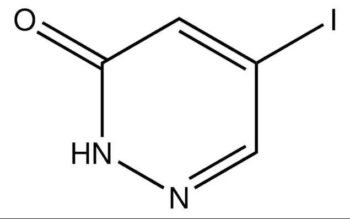
Common English name: 5-iodo-2,3-dihydropyridazin-3-one
CAS No.: 825633-94-1
Molecular formula: C4H3IN2O
Molecular weight: 221.98
Sample: Available
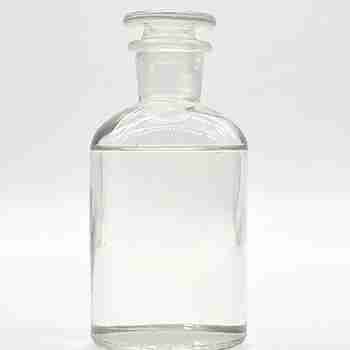
Chemical Name:?Ethyl Hexanoate
Synonyms: Ethyl caproate; Caproic acid ethyl ester; Ethyl butyl acetate; capronic ether; hexanoic acid ethyl ester
CAS No.: 123-66-0
Molecular Formula: C8H16O2
Molecular Weight: 144.21
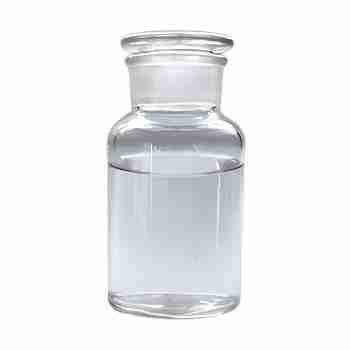
Chemical Name: PHENYL VALERATE
Synonyms: Phenyl pentanoate; Pentanoic acid phenyl ester
Cas No.: 20115-23-5
Molecular Fomula: C11H14O2
Molecular Weight: 178.23
Appearance:?Transparent Colorless Liquid



Reviews
There are no reviews yet.