
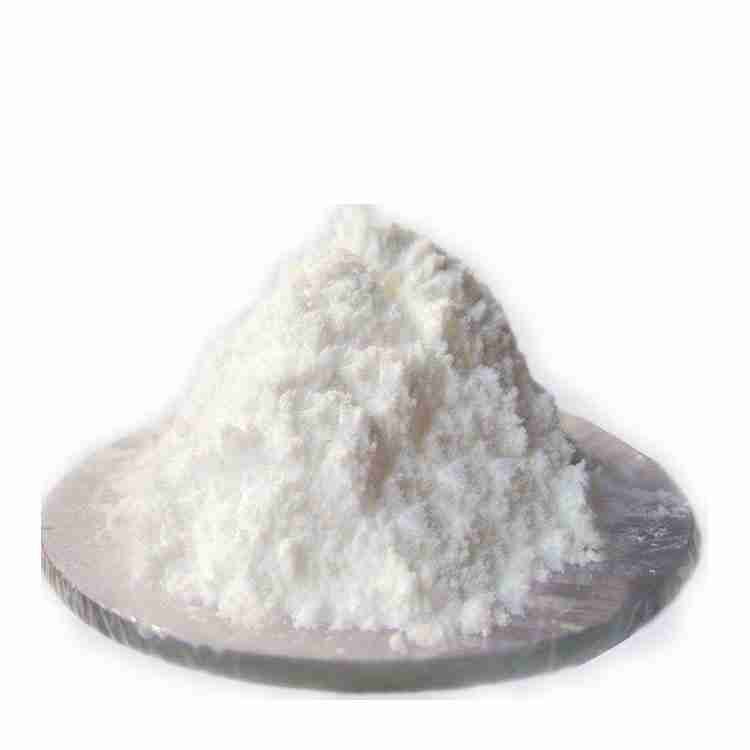
Levodopa CAS#59-92-7
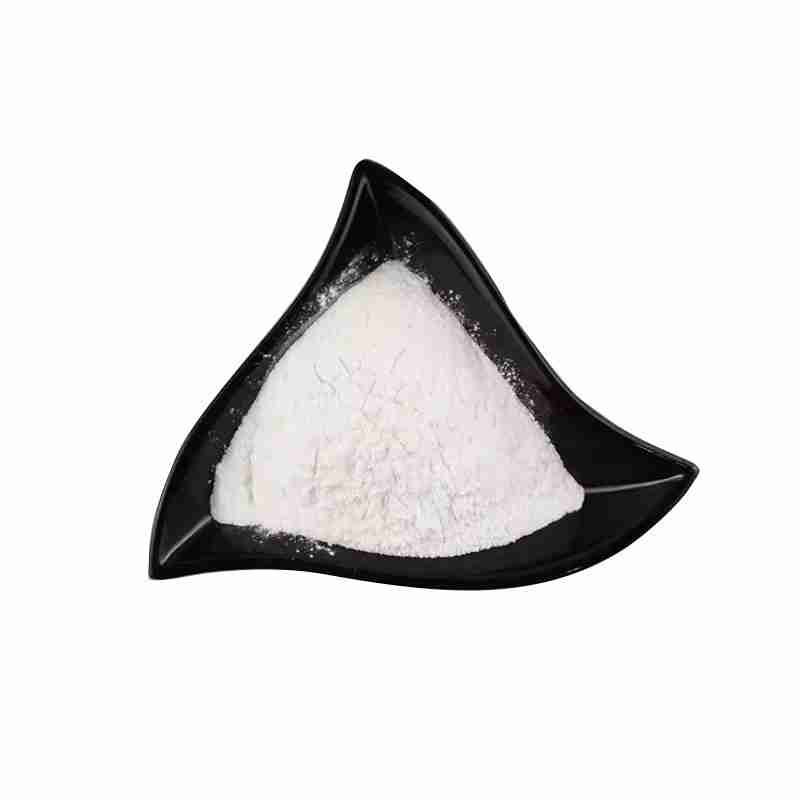
Levodopa, also known as L-DOPA or 3,4-dihydroxy-L-phenylalanine, is a naturally occurring amino acid and a critical precursor in the biosynthesis of the neurotransmitters dopamine, norepinephrine, and epinephrine. With the molecular formula C9H11NO4, levodopa is a large, neutral amino acid that plays a significant role in the treatment of Parkinson’s disease due to its ability to cross the blood-brain barrier and be converted into dopamine.
Chemically, levodopa is synthesized from the precursor amino acid tyrosine through the action of the enzyme tyrosine hydroxylase. As a medication, levodopa is often formulated with a peripheral DOPA decarboxylase inhibitor to reduce its conversion to dopamine outside the brain, thereby increasing its effectiveness and reducing side effects.
Levodopa is characterized by its effectiveness in alleviating the motor symptoms of Parkinson’s disease, such as tremors, rigidity, and bradykinesia. It is typically administered orally and absorbed from the gastrointestinal tract, where it is then transported to the brain.
In summary, levodopa is a vital pharmaceutical compound used in neurology for its role in treating Parkinson’s disease by replenishing the brain’s dopamine levels. Its targeted delivery and conversion to dopamine make it an essential treatment option for managing the motor symptoms associated with this condition.
| Levodopa Chemical Properties |
| Melting point | 276-278 ??C (lit.) |
| Boiling point | 334.28??C (rough estimate) |
| alpha | -11.7 o (c=5.3, 1N HCl) |
| density | 1.3075 (rough estimate) |
| refractive index | -12 ?? (C=5, 1mol/L HCl) |
| storage temp. | 2-8??C |
| solubility | Slightly soluble in water, practically insoluble in ethanol (96 per cent). It is freely soluble in 1 M hydrochloric acid and sparingly soluble in 0.1 M hydrochloric acid . |
| pka | 2.32(at 25??) |
| form | Crystalline Powder |
| color | White to creamy |
| Odor | at 100.00 %. odorless |
| Odor Type | odorless |
| Water Solubility | Slightly soluble in water, dilute hydrochloric acid and formic acid. Insoluble in ethanol. |
| Merck | 14,5464 |
| BRN | 2215169 |
| Stability: | Stable. Incompatible with strong oxidizing agents. Light and air sensitive. |
| InChIKey | WTDRDQBEARUVNC-LURJTMIESA-N |
| LogP | -1.154 (est) |
| CAS DataBase Reference | 59-92-7(CAS DataBase Reference) |
| NIST Chemistry Reference | Levodopa(59-92-7) |
| EPA Substance Registry System | Levodopa (59-92-7) |
| Safety Information |
| Hazard Codes | Xn |
| Risk Statements | 22-36/37/38-20/21/22 |
| Safety Statements | 26-36-24/25 |
| WGK Germany | 3 |
| RTECS | AY5600000 |
| F | 10-23 |
| TSCA | Yes |
| HS Code | 29225090 |
| Hazardous Substances Data | 59-92-7(Hazardous Substances Data) |
| Toxicity | LD50 in mice (mg/kg): 3650 ??327 orally, 1140 ??66 i.p., 450 ??42 i.v., >400 s.c.; in male, female rats (mg/kg): >3000, >3000 orally; 624, 663 i.p.; >1500, >1500 s.c. (Clark) |
Related Products
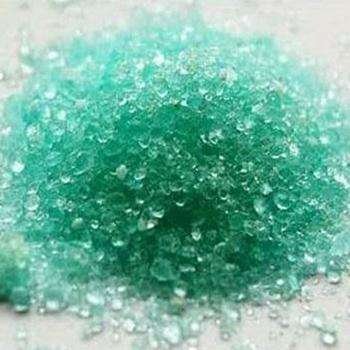
Chemical Name: Ammonium Iron(II) Sulfate
Synonyms: Diammonium iron bis(sulphate); iron (ii) ammonium sulfate
CAS No.: 10045-89-3
Molecular Formula: FeH5NO4S
Molecular Weight: 170.95
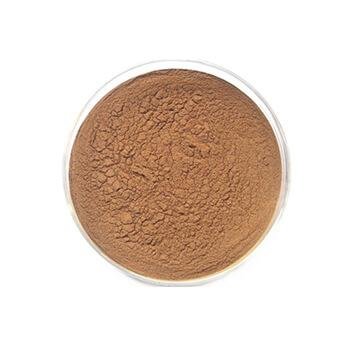
Chemical Name: Ashwagandha Extract
Synonyms: Withania somnifera, ext.; Withania Somnefera Extract
CAS: 90147-43-6
Appearance: Brown

Common English name: 5-iodo-2,3-dihydropyridazin-3-one
CAS No.: 825633-94-1
Molecular formula: C4H3IN2O
Molecular weight: 221.98
Sample: Available
Lidocaine hydrochloride is an anesthetic as well as an antiarrhythmic drug. Clinically, it is mainly used for infiltration anesthetic, epidural anesthetic, topical anesthesia (consisting of mucosal anesthetic throughout thoracoscopic examination or abdominal surgical treatment) as well as nerve conduction block. It can additionally be used for early ventricular tightenings and also ventricular tachycardia after acute myocardial infarction, and also for ventricular arrhythmias triggered by digitalis poisoning, cardiac surgery as well as cardiac catheterization. But it is usually inadequate for supraventricular arrhythmias.

Chemical Name: Sodium D-pantothenate
CAS No.: 867-81-2
Molecular Fomula: C9H16NNaO5
Molecular weight:?241.22
Appearance:?White to off-white powder
Assay: ??99.0%
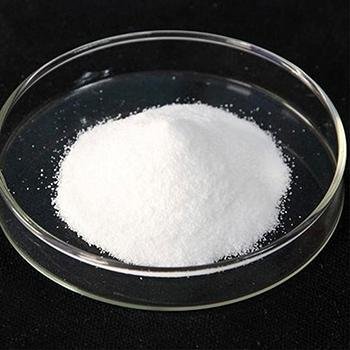
Chemical Name: UV-120
Other Name: (2’,4’-Di-tert-butylphenyl 3,5-di-tert-butyl-4-hydroxybenzoate)
CAS No.: 4221-80-1
Molecular Fomula: C29H42O3
Molecular weight: 438.66
Assay: ≥99%(LC)
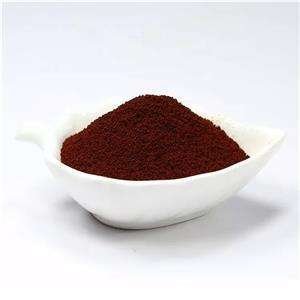
Chemical Name: Choline salicylate
CAS No.: 2016-36-6
Molecular Formula: C12H19NO4
Molecular Weight: 241.28
Appearance: Red-Brown Crystal

Chemical Name: LAPPACONITINE HYDROBROMIDE
Synonyms: Lappaconite HBR; ALLAPININE HYDROBROMIDE
CAS No.: 97792-45-5
Molecular Fomula: C32H45BrN2O8
Molecular weight:?665.61
Appearance: Powder crystal
Assay: ??99.0%

Chemical Name: o-Xylene
Synonyms: 1,2-Dimethylbenzene; ortho-xylene
CAS No.: 95-47-6
Molecular Formula: C8H10
Molecular Weight: 106.17

Chemical Name:?Tebipenem pivoxil
CAS No.: 161715-24-8
Molecular Formula: C22H31N3O6S2
Molecular Weight: 497.63

Levodopa, also known as L-DOPA or 3,4-dihydroxy-L-phenylalanine, is a naturally occurring amino acid and a critical precursor in the biosynthesis of the neurotransmitters dopamine, norepinephrine, and epinephrine. With the molecular formula C9H11NO4, levodopa is a large, neutral amino acid that plays a significant role in the treatment of Parkinson’s disease due to its ability to cross the blood-brain barrier and be converted into dopamine.
Chemically, levodopa is synthesized from the precursor amino acid tyrosine through the action of the enzyme tyrosine hydroxylase. As a medication, levodopa is often formulated with a peripheral DOPA decarboxylase inhibitor to reduce its conversion to dopamine outside the brain, thereby increasing its effectiveness and reducing side effects.
Levodopa is characterized by its effectiveness in alleviating the motor symptoms of Parkinson’s disease, such as tremors, rigidity, and bradykinesia. It is typically administered orally and absorbed from the gastrointestinal tract, where it is then transported to the brain.
In summary, levodopa is a vital pharmaceutical compound used in neurology for its role in treating Parkinson’s disease by replenishing the brain’s dopamine levels. Its targeted delivery and conversion to dopamine make it an essential treatment option for managing the motor symptoms associated with this condition.
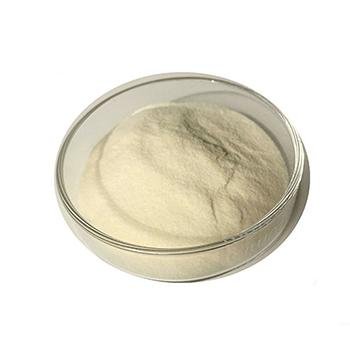
Chemical Name: Quercetin-3-O-sophoroside
CAS No.: 18609-17-1
Molecular Formula: C27H30O17
Molecular Weight: 626.52


