
Description
L-Proline Details
Chemical Name: L-Proline
CAS No.: 147-85-3
Molecular Formula: C5H9NO2
Molecular Weight: 115.13
Molecular?Structure:
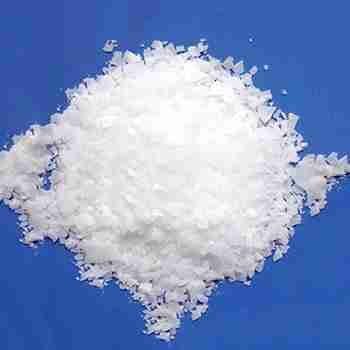
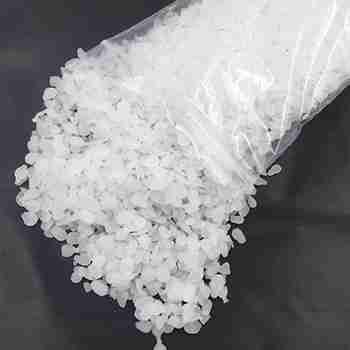
Appearance: Colorless crystal
Typical Properties
Melting point
228 ??C (dec.) (lit.)
Boiling point
215.41??C (rough estimate)
Density
1.35
Refractive index
-85 ?? (C=4, H2O)
Solubility
H2O:50?mg/mL
Storage
2-8??C
Appearance
Crystal
Colour
Colorless
Acidity coefficient (pKa)
1.95, 10.64(at 25??)
Vapor Pressure
0Pa at 25??
?
L-Proline Usage
Pharmaceutical raw materials and food additives.
It is used in biochemical research and in medicine for malnutrition, protein deficiency, gastrointestinal diseases, burns, and postoperative protein supplementation.
Amino acid drugs. It is one of the raw materials for compound amino acid infusion and is used for protein supplementation after malnutrition, protein deficiency, severe gastrointestinal diseases, burns, and surgical operations.
Nutritional supplements. Flavors.
Packaging and Shipping
Packing: 25KG/Drum
L-Proline Storage
Keep a container tightly closed in a dry and well-ventilated place. Store in a cool place.
Related Products

Chemical Name: Quercetin-3-O-sophoroside
CAS No.: 18609-17-1
Molecular Formula: C27H30O17
Molecular Weight: 626.52
Chemical Name: STODDARD SOLVENT
CAS No.: 64742-88-7
Appearance: Colorless or Light Yellow Liquid

Chemical Name: UV-120
Other Name: (2’,4’-Di-tert-butylphenyl 3,5-di-tert-butyl-4-hydroxybenzoate)
CAS No.: 4221-80-1
Molecular Fomula: C29H42O3
Molecular weight: 438.66
Assay: ≥99%(LC)
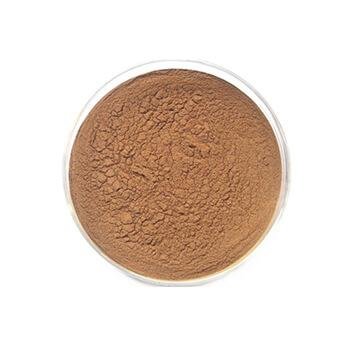
Chemical Name: Ashwagandha Extract
Synonyms: Withania somnifera, ext.; Withania Somnefera Extract
CAS: 90147-43-6
Appearance: Brown
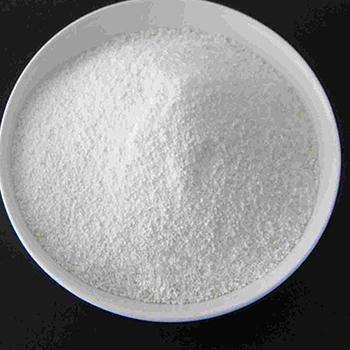
Chemical Name: Dehydrocholic acid
Synonyms: Acide dehydrocholique; Triketocholanic acid
CAS No.: 81-23-2
Molecular Formula: C24H34O5
Molecular Weight: 402.53
Appearance: Powder

N,N-Dimethylaniline is an organic compound with amine and methyl groups attached to a benzene ring. It is a colorless liquid with a characteristic amine odor. This compound is primarily used as a chemical intermediate in the synthesis of dyes, pigments, and polymers. Its reactivity makes it a valuable building block in the production of various organic compounds, particularly in the pharmaceutical and chemical industries.
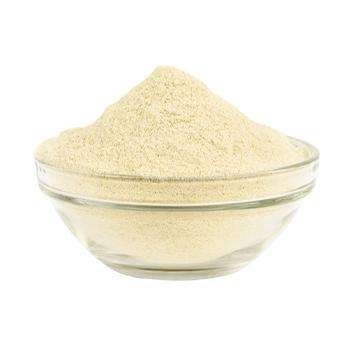
Chemical Name: Arabic gum
CAS No.: 9000-01-5
Appearance: powder
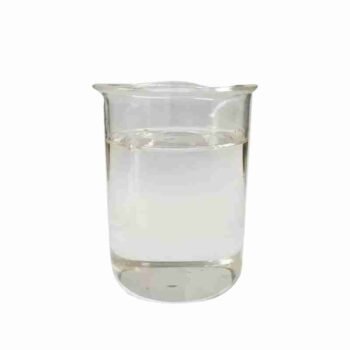
Silicones are a family of synthetic polymers known for their versatility and stability. They are heat-resistant, non-toxic, and have excellent electrical insulation properties. Commonly used in various industries such as construction, automotive, aerospace, and personal care products, silicones offer a wide range of applications from sealants and adhesives to lubricants and medical devices. Their resistance to extreme temperatures and weathering makes them a preferred choice for many high-performance applications.
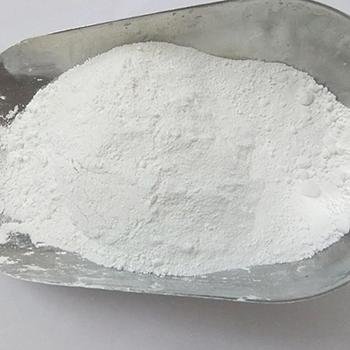
Product name:Cyclopentane
Purity:96%
Appearance:White powder
Package:25kg/bag
Sample:Available
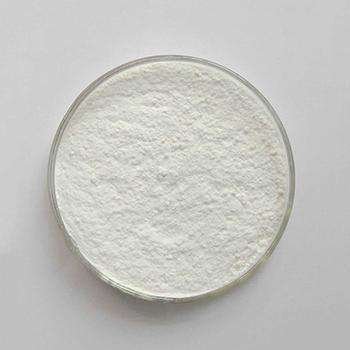
Chemical Name: Zinc citrate
Synonyms: Zinc citrate trihydrate
CAS No.: 546-46-3
Molecular Formula: C6H8O7Zn
Molecular Weight: 257.5
Appearance: White powder
3,4-Ethylenedioxythiophene is a synthetic organic compound characterized by its unique structure that includes a thiophene ring with ethylenedioxy substituents at the 3 and 4 positions. This compound is known for its potential applications in the synthesis of various organic materials, including pharmaceuticals and organic electronic devices such as sensors and solar cells. Its stability and reactivity make it a versatile intermediate in the chemical industry.
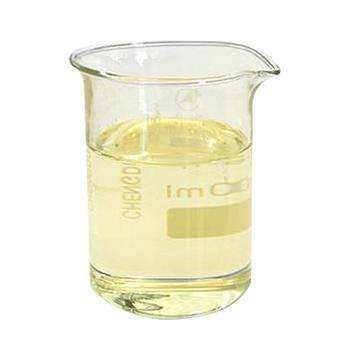
Chemical Name: Potassium Castorate
CAS No.: 8013-05-6
Molecular Formula: C57H107K3O12
Molecular Weight: 1101.74718
Appearance: Yellow Liquid



Reviews
There are no reviews yet.