
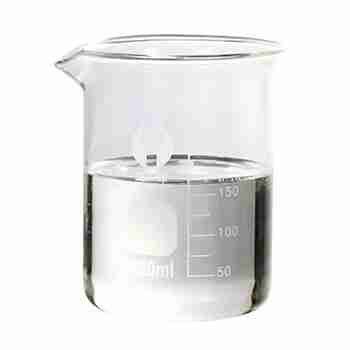
Glycolic Acid Cas 79-14-1 70% 99%

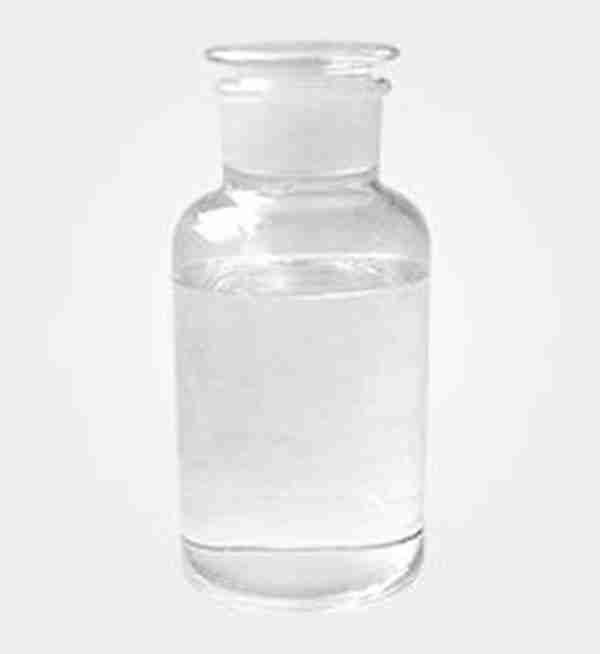
Chemcial Name: Glycolic acid
CAS NO.:79-14-1
Molecular Fomula: C2H4O3
Assay: 70%;99%
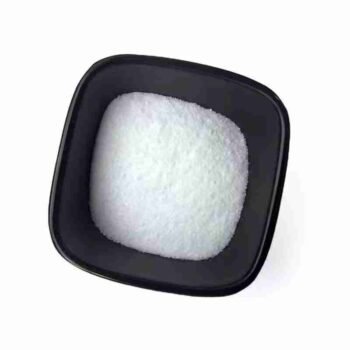
Appearance: Colorless liquid (70%); Colorless or white crystal (99%)
?
related documents:
TDS of Glycolic acid 70% and 99%
COA of Glycolic acid 70%
COA of Glycolic acid 99%
Request for product documents
Description
Product information
Chemcial name: Glycolic acid
Another name: alpha-Hydroxyacetic acid; 2-hydroxyacetic acid
Standard: Technical grade
CAS NO.:79-14-1
EINECS: 201-180-5
Molecular Fomula: C2H4O3
Structural formula:
Molecular Weight: M=76.05
Assay:70%??99%
Application??Cosmetics Personal Care
Capacity:10000MT/Year
Sample: available
Specification
Items
Specifications
Appearance
Colorless liquid
Colorless or white crystal
Purity
??70%
??99.0%
Chloride(Cl)
??10ppm
??0.001%
Sulfate
??100ppm
??0.01%
Heavy metals(Pb)
??10ppm
Other items
Please check with us.
Glycolic acidApplications
1. Cosmetics Personal Care
Glycolic acid is used to improve the skin??s appearance and texture. It may reduce wrinkles, acne scarring, hyperpigmentation and improve many other skin conditions, including actinic keratosis, hyperkeratosis, and seborrheic keratosis.
2. Hard Surface Cleaner
Glycolic Acid is the organic of choice for cleaning unmovable surfaces.
3. Industrial Water Boiler System Cleaners
Glycolic Acid removes hard water scale deposits by forming water soluble complexes which are easily rinsed away.
4. Laundry Sours
Glycolic Acid is the dependable, flexible liquid sour required by modern laundry systems.
5. Metal Cleaning Finishing
Glycolic Acid is highly effective for copper and aluminum finishing and metal cleaning applications.
6. Disinfecting Formulations Applications
Glycolic Acid is EPA registered as a manufacturing product for active ingredient use in liquid disinfecting formulations
Shelf life:?12?months from date of manufacture in original unopened packaging stored in a cool
dry place out of direct sunlight.
Glycolic acid Packaging
For liquid: 25kg/250kg/1250kg plastic drum;
For crystal: 20kg?fiber drum or according to customized.
Glycolic acid Storage
Stored in the dry and ventilated inside storeroom, prevent direct sunlight, slightly pile and put dow
Delivery as dangerous 8 product
Related Products
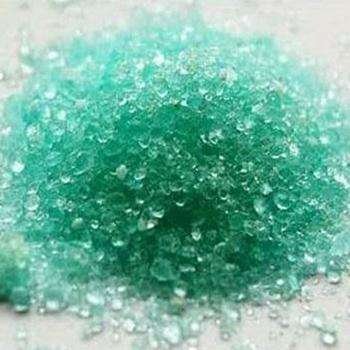
Chemical Name: Ammonium Iron(II) Sulfate
Synonyms: Diammonium iron bis(sulphate); iron (ii) ammonium sulfate
CAS No.: 10045-89-3
Molecular Formula: FeH5NO4S
Molecular Weight: 170.95
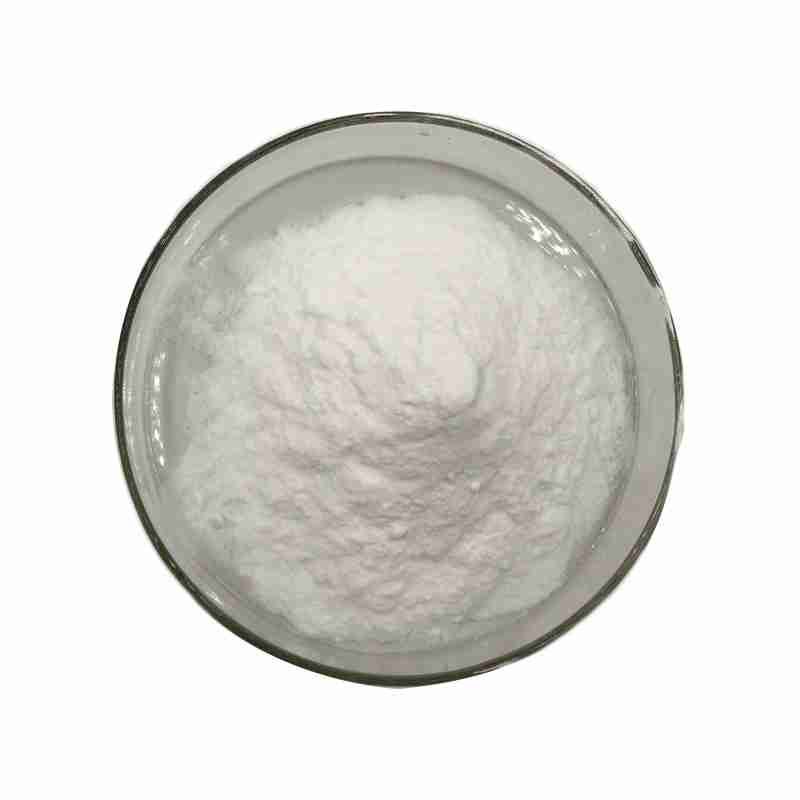
Succinimide is a heterocyclic organic compound and an important industrial chemical. It serves as a key intermediate in the synthesis of various pharmaceuticals, agrochemicals, and other specialty chemicals. Known for its reactivity and versatility, succinimide is widely used in the production of succinic anhydride, a precursor to many polymers and plasticizers, highlighting its significance in the chemical industry.

Chemical Name: Arabic gum
CAS No.: 9000-01-5
Appearance: powder

Ethylhexyl Palmitate is a skin-conditioning ester, derived from ethylhexanol and palmitic acid, that imparts moisturization and a smooth texture to cosmetic and personal care formulations. It is valued for its emollient properties, enhancing the sensory experience of skin care products.

N,N-Dimethylaniline is an organic compound with amine and methyl groups attached to a benzene ring. It is a colorless liquid with a characteristic amine odor. This compound is primarily used as a chemical intermediate in the synthesis of dyes, pigments, and polymers. Its reactivity makes it a valuable building block in the production of various organic compounds, particularly in the pharmaceutical and chemical industries.

Polyhexamethylene guanidine hydrochloride, often abbreviated as PHMG-HCl, is a high molecular weight polymeric biguanide compound known for its potent antimicrobial properties. With a chemical structure that features a long chain of methylene groups bridged by guanidine units, PHMG-HCl is effective against a broad spectrum of microorganisms, including bacteria, viruses, and fungi.
This hydrochloride salt form of PHMG is highly soluble in water and is commonly used in various applications due to its non-irritant and non-toxic nature to human skin and mucous membranes. It is widely recognized for its ability to form a colorless and odorless solution, making it an ideal choice for use in personal care products, medical disinfectants, and water treatment processes.
The versatility of PHMG-HCl lies in its cationic nature, which allows it to bind to negatively charged microbial cell walls, disrupting their integrity and leading to cell death. This mechanism of action contributes to its effectiveness as a preservative and disinfectant. Moreover, its substantivity, or the ability to adhere to surfaces, enhances its long-lasting antimicrobial activity.
In summary, Polyhexamethylene guanidine hydrochloride is a reliable and efficient antimicrobial agent, pivotal in industries where hygiene and cleanliness are paramount, offering a safe and sustainable solution for microbial control.
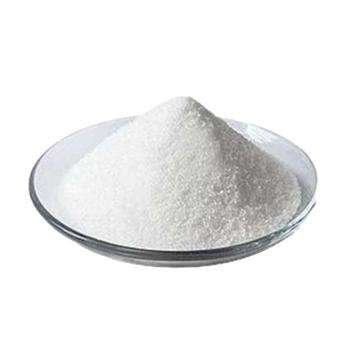
Chemical Name: 3-Hydroxybutyric acid
CAS No.: 625-71-8
Molecular Formula: C4H8O3
Molecular Weight: 104.1
Appearance: White powder
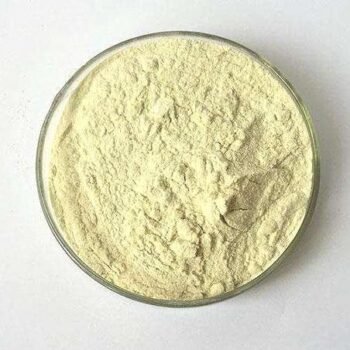
Chemical Name: o-Xylene
Synonyms: 1,2-Dimethylbenzene; ortho-xylene
CAS No.: 95-47-6
Molecular Formula: C8H10
Molecular Weight: 106.17
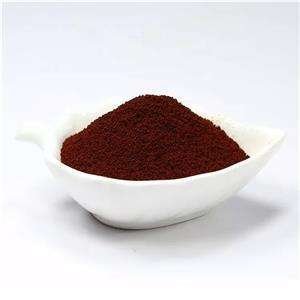
Chemical Name: Choline salicylate
CAS No.: 2016-36-6
Molecular Formula: C12H19NO4
Molecular Weight: 241.28
Appearance: Red-Brown Crystal

Chemical Name: Dehydrocholic acid
Synonyms: Acide dehydrocholique; Triketocholanic acid
CAS No.: 81-23-2
Molecular Formula: C24H34O5
Molecular Weight: 402.53
Appearance: Powder
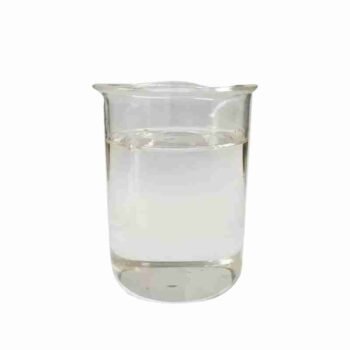
Silicone oil, known for its chemical designation as dimethicone or polydimethylsiloxane, is a synthetic polymer with a backbone of alternating silicon and oxygen atoms, creating a highly versatile and stable compound. It is renowned for its exceptional lubricating properties, heat resistance, and non-toxic nature, making it a staple in various industries, including cosmetics, automotive, and aerospace.
This hydrophobic, non-volatile oil is valued for its ability to provide a smooth, non-greasy feel and to form stable emulsions with other ingredients. In personal care products, silicone oil is used to impart a silky texture, reduce friction on the skin, and create a protective barrier against environmental stressors without clogging pores.
Silicone oil’s chemical inertness and resistance to oxidation contribute to its long shelf life and stability in formulations. It is also appreciated for its compatibility with a wide range of substances, allowing for the creation of multifunctional products.
In summary, silicone oil is a reliable and multifaceted ingredient, offering a combination of performance, safety, and sensory benefits. Its use in a variety of applications reflects its versatility and enduring appeal in the marketplace.
POLY(VINYL CHLORIDE-CO-ISOBUTYL VINYL ETHER) is a copolymer that combines the properties of vinyl chloride and isobutyl vinyl ether. This polymer offers a balance of rigidity and flexibility, along with enhanced chemical resistance and durability. It is commonly used in the production of films, coatings, and adhesives due to its excellent barrier properties against gases and moisture, making it ideal for packaging and construction applications.



Reviews
There are no reviews yet.