
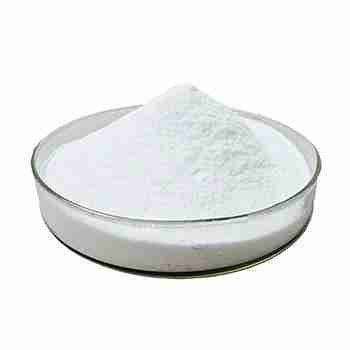

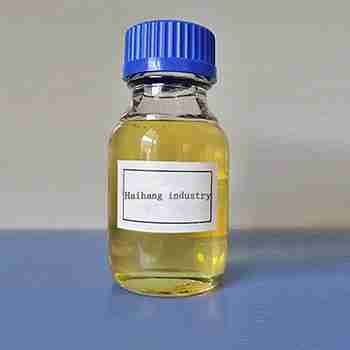
Description
ETHYLVANILLINBETA-D-GLUCOPYRANOSIDE Details
Chemical Name: ETHYLVANILLINBETA-D-GLUCOPYRANOSIDE
CAS No.: 122397-96-0
Molecular Formula: C15H20O8
Molecular Weight: 328.31
Molecular?Structure:
Appearance: Powder
Typical Properties
Vapor Pressure
0Pa at 25??
Density
0.5[at 20??]
Appearance
Powder
Colour
White
Solubility
Soluble in water
ETHYLVANILLINBETA-D-GLUCOPYRANOSIDE Packaging and Shipping
Packing: 25KG/Drum
ETHYLVANILLINBETA-D-GLUCOPYRANOSIDE Storage
Keep in a well-closed,light-resistant, dry and cool place.
Related Products
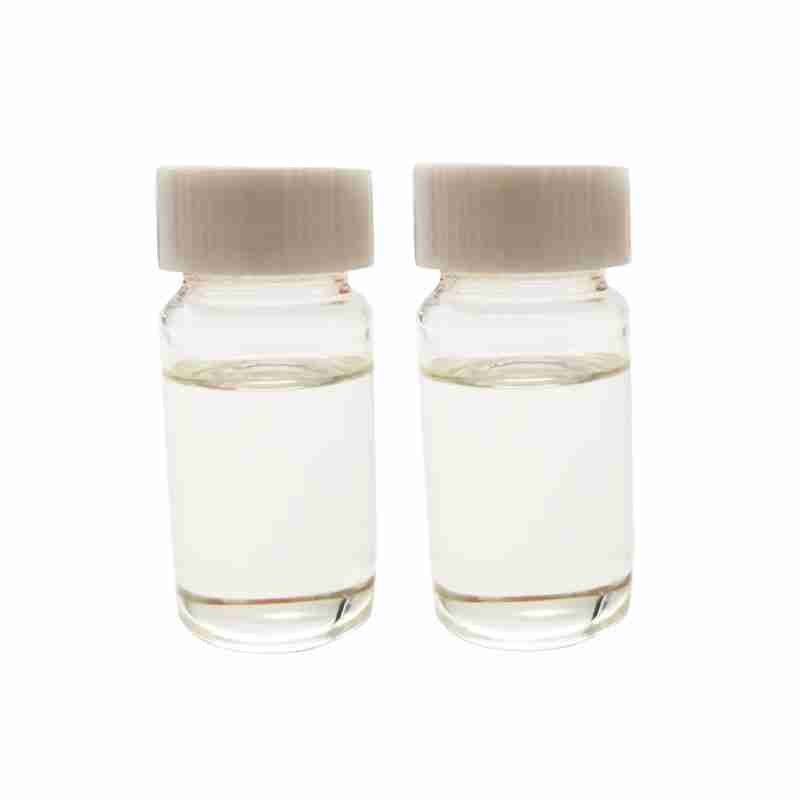
Cis ?C 3-Methyl-4-octanolide, also known as cis- ??- methyl- ??- Octalactone or 5-butyldihydro-4-methylfuran-2 (3 H) ?C one, a compound of lactone family, chemical formula C9H16O2. It exists as two optical isomers: 3 R, 4 R (??+??) and 3 S, 4 S (??-??).
3S, 4S isomers, commonly known as whisky lactone or oak lactone, are important components in the aroma of whisky (first discovered by Suomalainen and Nyk ? nen in 1970) and other alcoholic beverages aged in oak barrels. It is sometimes added to wine as a flavoring. It has the aroma of coconut, celery or fresh wood, and can be detected by human body when the concentration in the air is 1 microgram/l. The mixture of cis and trans isomers can repel mosquitoes and flies.

Cinnamic aldehyde is used as a flavoring agent, ingredient of fragrance in soft drinks, ice creams, dentifrices, pastries, chewing-gum, etc. It can induce both contact urticaria and delayed-type reactions. It can be implicated in contact dermatitis in those who work in the perfume industry or food handlers. Cinnamic aldehyde is contained in the “fragrance mix”.
Cinnamaldehyde is a pale yellow to yellow-green oily liquid with a strong pungent, spicy, cinnamon odor. It is generally insoluble in water and many organic solvents, but is miscible with alcohol and other flavoring oils. Exposure to air will cause thickening and oxidation.
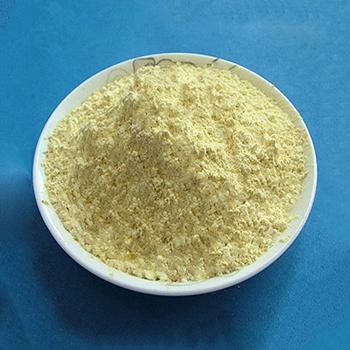
Product name:HYDROXYPROPYL GUAR HYDROXYPROPYLTRIMONIUM CHLORIDE
Purity:99%
Appearance:Light Yellow Powder
Package:Customized according to customer needs.
Sample:Available
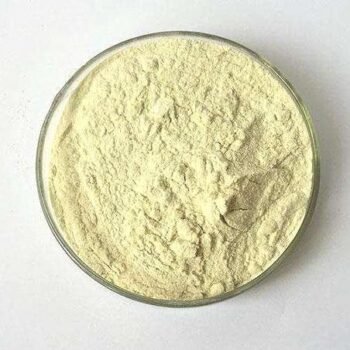
Chemical Name: o-Xylene
Synonyms: 1,2-Dimethylbenzene; ortho-xylene
CAS No.: 95-47-6
Molecular Formula: C8H10
Molecular Weight: 106.17
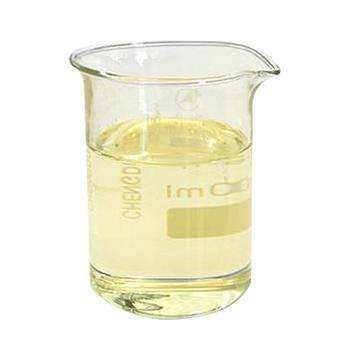
Chemical Name: Potassium Castorate
CAS No.: 8013-05-6
Molecular Formula: C57H107K3O12
Molecular Weight: 1101.74718
Appearance: Yellow Liquid

Chemical Name: 4-((2-Furylmethyl)thio)-4-methylpentan-2-one
Cas No.: 64835-96-7
Molecular Fomula: C11H16O2S
Molecular Weight: 212.31
Appearance: Colorless to light yellow liquid
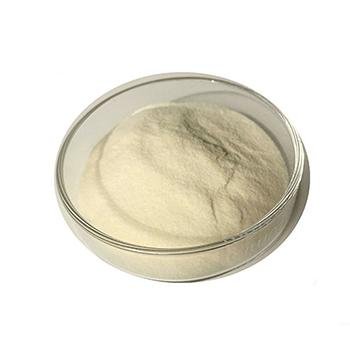
Chemical Name: Quercetin-3-O-sophoroside
CAS No.: 18609-17-1
Molecular Formula: C27H30O17
Molecular Weight: 626.52

Chemical Name: 1,1,2,2-Tetrachloroethane
Other Name: Tetrachlorethane
CAS No.: 79-34-5
Molecular Formula: C2H2Cl4
Molecular Weight: 167.85
Appearance: Liquid
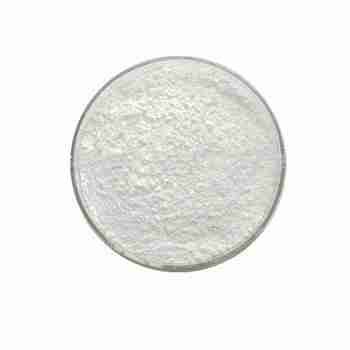
Chemical Name: Methyl cedryl ether
CAS No.: 19870-74-7
Molecular Fomula:?C16H28O
Molecular weight: 236.39
Appearance:?White?powder
Assay: ??99.0%
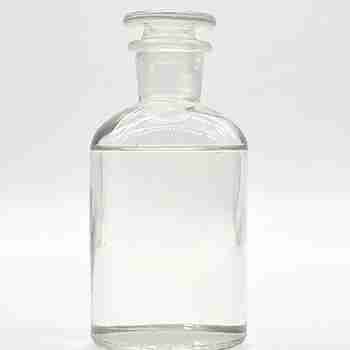
Chemical Name:?Ethyl Hexanoate
Synonyms: Ethyl caproate; Caproic acid ethyl ester; Ethyl butyl acetate; capronic ether; hexanoic acid ethyl ester
CAS No.: 123-66-0
Molecular Formula: C8H16O2
Molecular Weight: 144.21
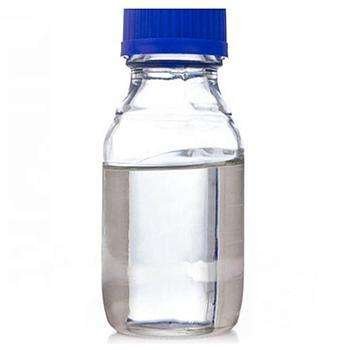
Chemical Name: STODDARD SOLVENT
CAS No.: 64742-88-7
Appearance: Colorless or Light Yellow Liquid

Chemical Name: Ashwagandha Extract
Synonyms: Withania somnifera, ext.; Withania Somnefera Extract
CAS: 90147-43-6
Appearance: Brown



Reviews
There are no reviews yet.