
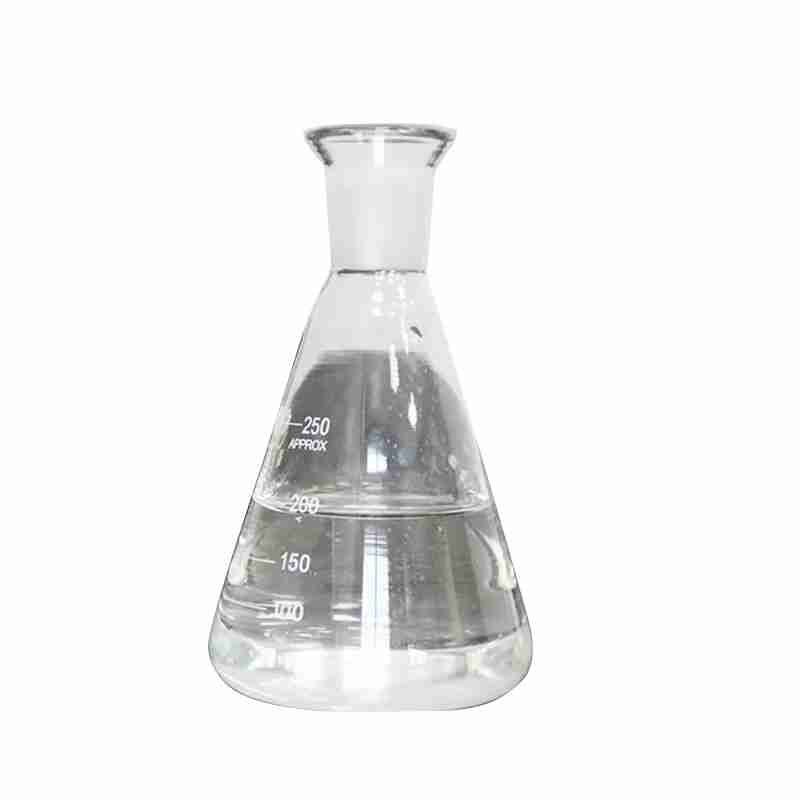
Ethylene glycol CAS#107-21-1
![2-(2-[4-(1,1,3,3-Tetramethylbutyl)phenoxy]ethoxy)ethanol CAS#9036-19-5](https://bgbchem.com/wp-content/uploads/2025/08/2-8-2.jpg)
Ethylene glycol is the simplest aliphatic dihydric alcohol with chemical properties of alcohols such as being capable of generating ether, ester, or being oxidized into acid or aldehyde as well as being condensed to form ether or being substituted by halogen. Its reaction with acyl chloride or acid anhydride generally forms di-esters. Under heating in the presence of catalyst (manganese dioxide, aluminum oxide, zinc oxide or sulfuric acid), it can be subject to intermolecular or intramolecular dehydration to form the cyclic ethylene acetals, which can react with nitric acid to generate glycol dinitrate (an explosive). Ethylene glycol is the raw material for production of polyester resins, alkyd resins and polyester fiber. It can also be used as the refrigerant agent for automobile and aircraft engines refrigerant. In 1980, the glycol amount used as refrigerant agent is equal to the amount consumption for producing polyester. In addition, it can also be used for synthesizing polymers such as polyester fibers. Ethylene glycol dinitrate, when used in combination with nitroglycerine can reduce the freezing point of explosives. Ethylene glycol can also be used as the raw material of pharmaceuticals and plastics and high-boiling solvents. Industry applied ethylene as a raw material with first converting it to ethylene oxide and then hydrolyzing to produce ethylene glycol.
Ethylene glycol CAS#107-21-1
| Ethylene glycol Basic information |
| Odor?Dihydric alcohol?Poisoning and first aid?Chemical Properties?Uses?Production method?Category?Toxicity grading?Acute toxicity?Irritation data?Hazardous characteristics of explosive?Flammability and hazard characteristics?Storage characteristics?Extinguishing agents?Professional standards |
| Product Name: | Ethylene glycol |
| Synonyms: | Ethylene glycol, extra pure, packed in UHDPE bottles;Ethylene glycol 5g [107-21-1];Ethylene Glycol (0.5 mL);Ethylene glycol, extra pure, 99+% 1LT;Ethylene glycol, extra pure, 99+% 2.5LT;Ethylene glycol, for analysis, 99.5% 1LT;Ethylene glycol, for analysis, 99.5% 2.5LT;Ethylene glycol, 99%, SpcDry, with Molecular sieves, Water??50 ppM (by K.F.), SpcSeal |
| CAS: | 107-21-1 |
| MF: | C2H6O2 |
| MW: | 62.07 |
| EINECS: | 203-473-3 |
| Product Categories: | ACS and Reagent Grade Solvents;Amber Glass Bottles;Carbon Steel Flex-Spout Cans;ReagentPlus;ReagentPlus Solvent Grade Products;Semi-Bulk Solvents;NMR;Spectrophotometric Grade;Spectrophotometric Solvents;Spectroscopy Solvents (IR;UV/Vis);Analytical Reagents;Analytical/Chromatography;Microscopy Reagents;Puriss p.a.;Various Chemicals;Polyhydroxy compounds;Alcohols;Analytical Standards;Chemical Class;Solvent by Application;Solvent Packaging Options;Solvents;Sure/Seal Bottles;Synthetic Reagents;Essential Chemicals;Inorganic Salts;Plastic Bottles;Research Essentials;Solutions and Reagents;Technical Grade;Anhydrous Solvents;Chemical Synthesis;Others;Protecting and Derivatizing Reagents;Protection and Derivatization;Solvent Bottles;Carbazoles;Hematology and Histology;Routine Histology Stains;Chemistry;alpha,omega-Alkanediols;alpha,omega-Bifunctional Alkanes;Ethylene Glycols;Ethylene Glycols & Monofunctional Ethylene Glycols;Monofunctional & alpha,omega-Bifunctional Alkanes;107-21-1 |
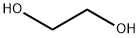
| Mol File: | 107-21-1.mol |
 |
|
| Ethylene glycol Chemical Properties |
| Melting point | -13 ??C (lit.) |
| Boiling point | 195-198 ??C |
| density | 1.113 g/mL at 25 ??C (lit.) |
| vapor density | 2.1 (vs air) |
| vapor pressure | 0.08 mm Hg ( 20 ??C) |
| refractive index | n20/D?1.431(lit.) |
| Fp | 230???F |
| storage temp. | 2-8??C |
| solubility | water: miscible |
| form | Viscous Liquid |
| pka | 14.22(at 25??) |
| color | blue |
| Odor | Odorless |
| Relative polarity | 0.79 |
| PH | 6-7.5 (100g/l, H2O, 20??) |
| explosive limit | 3.2%(V) |
| Water Solubility | miscible |
| FreezingPoint | -11.5?? |
| Sensitive | Hygroscopic |
| ??max | ??: 260 nm Amax: ??0.03 ??: 280 nm Amax: ??0.01 |
| Merck | 14,3798 |
| BRN | 505945 |
| Exposure limits | Ceiling limit in air for vapor and mist 50 ppm (~125 mg/m3) (ACGIH); TWA 10 mg/m3?(particulates) (MSHA). |
| Dielectric constant | 37.0??20?棩 |
| LogP | -1.36 at 25?? |
| CAS DataBase Reference | 107-21-1(CAS DataBase Reference) |
| NIST Chemistry Reference | 1,2-Ethanediol(107-21-1) |
| EPA Substance Registry System | Ethylene glycol (107-21-1) |
Related Products
Succinimide is a heterocyclic organic compound and an important industrial chemical. It serves as a key intermediate in the synthesis of various pharmaceuticals, agrochemicals, and other specialty chemicals. Known for its reactivity and versatility, succinimide is widely used in the production of succinic anhydride, a precursor to many polymers and plasticizers, highlighting its significance in the chemical industry.

N,N-Dimethylaniline is an organic compound with amine and methyl groups attached to a benzene ring. It is a colorless liquid with a characteristic amine odor. This compound is primarily used as a chemical intermediate in the synthesis of dyes, pigments, and polymers. Its reactivity makes it a valuable building block in the production of various organic compounds, particularly in the pharmaceutical and chemical industries.
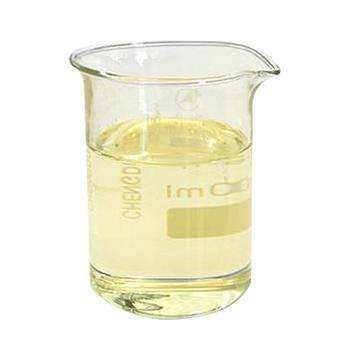
Chemical Name: Potassium Castorate
CAS No.: 8013-05-6
Molecular Formula: C57H107K3O12
Molecular Weight: 1101.74718
Appearance: Yellow Liquid
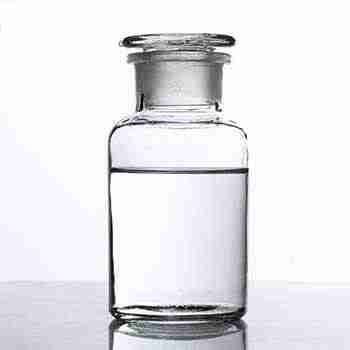
1-Octanol, also known as Capryl alcohol or n-Octanol, is a clear, colorless liquid with a characteristic waxy odor. It is an alcohol with eight carbon atoms in its chain, making it a part of the aliphatic alcohol family. This compound is poorly soluble in water but is miscible with ethanol, diethyl ether, and chloroform . It has a melting point of approximately -15??C and a boiling point of around 196??C . 1-Octanol is used in the production of esters, plasticizers, and as a solvent or intermediate in the synthesis of various organic compounds. It also finds application in the fragrance industry as a fixative in perfumes and can be used in the formulation of flavor and scent compositions . It is important to note that 1-Octanol is flammable and should be handled with care, storing it away from sources of ignition and heat .

Chemical Name: 1,1,2,2-Tetrachloroethane
Other Name: Tetrachlorethane
CAS No.: 79-34-5
Molecular Formula: C2H2Cl4
Molecular Weight: 167.85
Appearance: Liquid
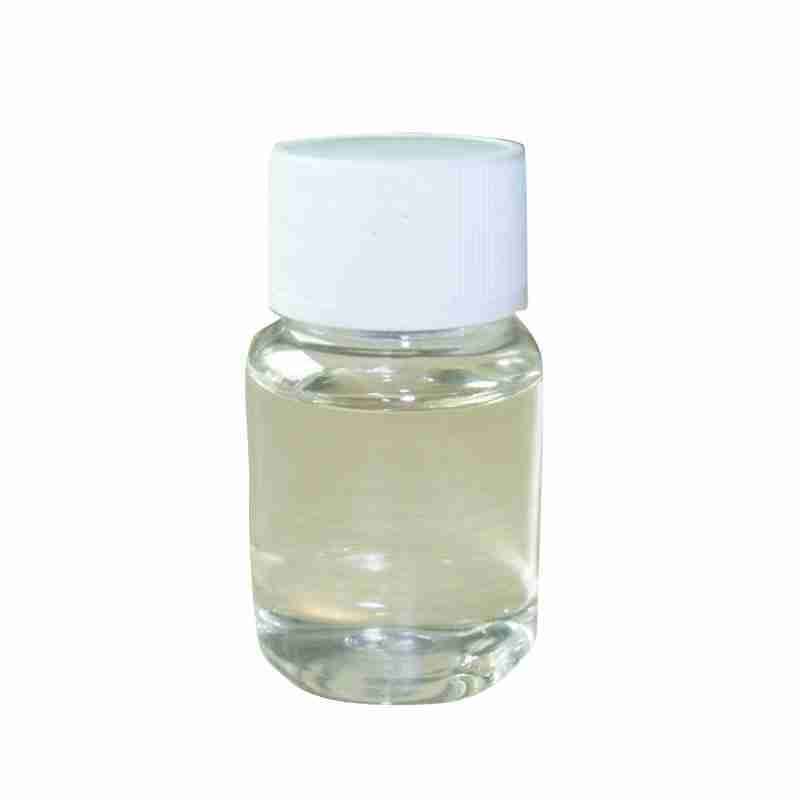
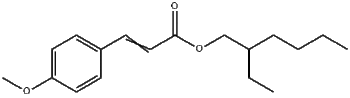
Octyl 4-methoxycinnamate, scientifically known as 2-Ethylhexyl 4-Methoxycinnamate, is a highly effective organic UV filter commonly used in the formulation of sunscreens and cosmetic products. This compound is renowned for its ability to absorb ultraviolet B (UVB) radiation, providing a reliable defense against the sun’s harmful effects on the skin.
Characterized by its chemical formula C19H28O3, Octyl 4-methoxycinnamate is a liquid ester that is readily soluble in organic solvents. It is valued for its photostability, which means it maintains its protective properties even after prolonged exposure to sunlight. This feature makes it an ideal ingredient for products designed to offer long-lasting sun protection.
In addition to its UVB absorption capabilities, Octyl 4-methoxycinnamate is also appreciated for its compatibility with other UV filters, allowing for the creation of broad-spectrum sunscreens. It contributes to the development of formulations that are non-greasy and cosmetically elegant, suitable for a variety of skin types.
As a key component in sun care products, Octyl 4-methoxycinnamate supports the skin’s health by preventing sunburn, reducing the risk of skin cancer, and delaying the signs of photoaging. Its safety profile and efficacy make it a preferred choice in the personal care and dermatological industries for sun protection solutions.

Ethylhexyl Palmitate is a skin-conditioning ester, derived from ethylhexanol and palmitic acid, that imparts moisturization and a smooth texture to cosmetic and personal care formulations. It is valued for its emollient properties, enhancing the sensory experience of skin care products.
POLY(VINYL CHLORIDE-CO-ISOBUTYL VINYL ETHER) is a copolymer that combines the properties of vinyl chloride and isobutyl vinyl ether. This polymer offers a balance of rigidity and flexibility, along with enhanced chemical resistance and durability. It is commonly used in the production of films, coatings, and adhesives due to its excellent barrier properties against gases and moisture, making it ideal for packaging and construction applications.
Chemical Name: Imazalil Sulfate
CAS No.: 58594-72-2
Molecular Formula: C14H14Cl2N2O.H2SO4
Molecular Weight: 395.26
Appearance: Solid

Terpene resin is a type of natural resin derived from terpenes, which are organic compounds found in various plants. It is known for its aromatic properties and is commonly used in the production of fragrances, flavorings, and as a component in adhesives and coatings within the chemical industry. Terpene resin offers a range of benefits, including enhancing the solubility of essential oils and providing a stable base for various applications. Its natural origin makes it a preferred choice for eco-friendly products.
Product name:Cyclopentane
Purity:96%
Appearance:White powder
Package:25kg/bag
Sample:Available

Chemical Name: Quercetin-3-O-sophoroside
CAS No.: 18609-17-1
Molecular Formula: C27H30O17
Molecular Weight: 626.52


