

Ethylene glycol CAS #107-21-1
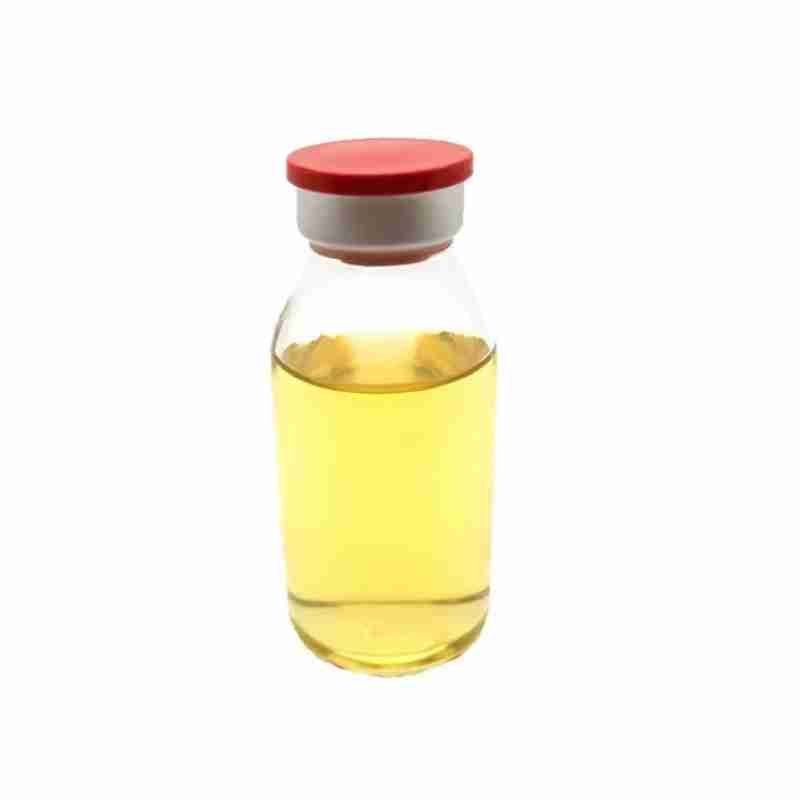
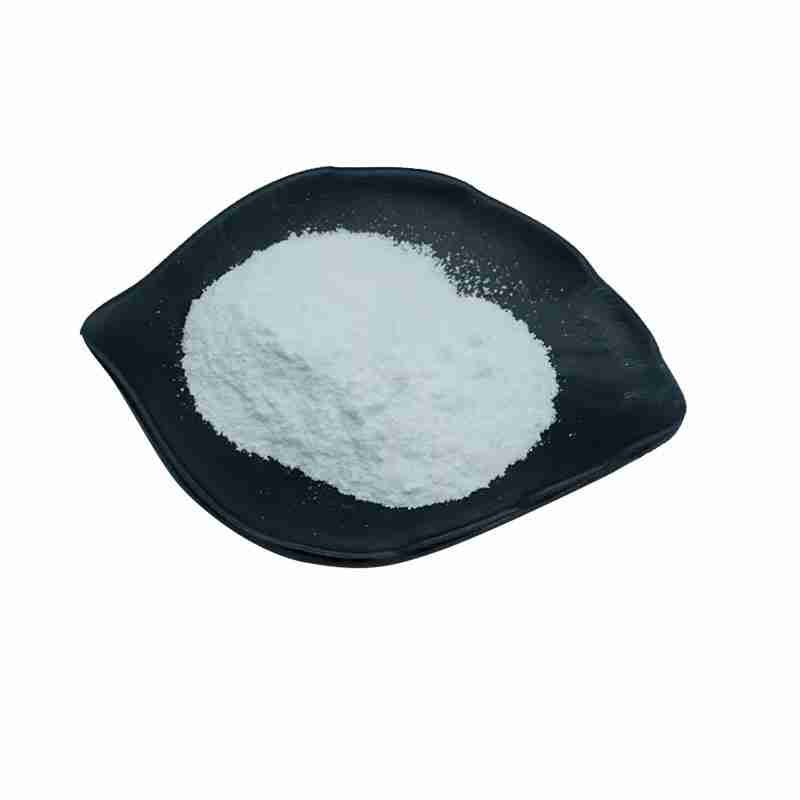
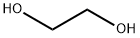
Ethylene glycol is the simplest aliphatic diol. It has the chemical properties of alcohol and can generate ethers, esters, or be oxidized to acids or aldehydes. It can also condense to form ethers or be replaced by halogens. It generally reacts with acyl chlorides or anhydrides to form diesters. Under heating with a catalyst (manganese dioxide, aluminum oxide, zinc oxide or sulfuric acid), it can undergo intermolecular or intramolecular dehydration to generate cyclic ethylene glycol acetals, which react with nitric acid to generate ethylene glycol dinitrate (an explosive). Ethylene glycol is a raw material for the production of polyester resins, alkyd resins and polyester fibers. It can also be used as a refrigerant for automobile and aircraft engine refrigerants. In 1980, the amount of ethylene glycol used as a refrigerant was equivalent to the amount used to produce polyester. In addition, it can also be used to synthesize polymers such as polyester fibers.
Ethylene glycol CAS #107-21-1
| Ethylene glycol Chemical Properties |
| Melting point | -13 ??C (lit.) |
| Boiling point | 195-198 ??C |
| density | 1.113 g/mL at 25 ??C (lit.) |
| vapor density | 2.1 (vs air) |
| vapor pressure | 0.08 mm Hg ( 20 ??C) |
| refractive index | n20/D?1.431(lit.) |
| Fp | 230???F |
| storage temp. | 2-8??C |
| solubility | water: miscible |
| form | Viscous Liquid |
| pka | 14.22(at 25??) |
| color | blue |
| Odor | Odorless |
| Relative polarity | 0.79 |
| PH | 6-7.5 (100g/l, H2O, 20??) |
| explosive limit | 3.2%(V) |
| Water Solubility | miscible |
| FreezingPoint | -11.5?? |
| Sensitive | Hygroscopic |
| ??max | ??: 260 nm Amax: ??0.03 ??: 280 nm Amax: ??0.01 |
| Merck | 14,3798 |
| BRN | 505945 |
| Exposure limits | Ceiling limit in air for vapor and mist 50 ppm (~125 mg/m3) (ACGIH); TWA 10 mg/m3?(particulates) (MSHA). |
| Dielectric constant | 37.0??20?棩 |
| LogP | -1.36 at 25?? |
| CAS DataBase Reference | 107-21-1(CAS DataBase Reference) |
| NIST Chemistry Reference | 1,2-Ethanediol(107-21-1) |
| EPA Substance Registry System | Ethylene glycol (107-21-1) |
Related Products
1-Octanol, also known as Capryl alcohol or n-Octanol, is a clear, colorless liquid with a characteristic waxy odor. It is an alcohol with eight carbon atoms in its chain, making it a part of the aliphatic alcohol family. This compound is poorly soluble in water but is miscible with ethanol, diethyl ether, and chloroform . It has a melting point of approximately -15??C and a boiling point of around 196??C . 1-Octanol is used in the production of esters, plasticizers, and as a solvent or intermediate in the synthesis of various organic compounds. It also finds application in the fragrance industry as a fixative in perfumes and can be used in the formulation of flavor and scent compositions . It is important to note that 1-Octanol is flammable and should be handled with care, storing it away from sources of ignition and heat .

Terpene resin is a type of natural resin derived from terpenes, which are organic compounds found in various plants. It is known for its aromatic properties and is commonly used in the production of fragrances, flavorings, and as a component in adhesives and coatings within the chemical industry. Terpene resin offers a range of benefits, including enhancing the solubility of essential oils and providing a stable base for various applications. Its natural origin makes it a preferred choice for eco-friendly products.
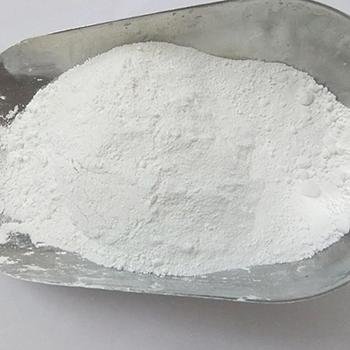
Product name:Cyclopentane
Purity:96%
Appearance:White powder
Package:25kg/bag
Sample:Available
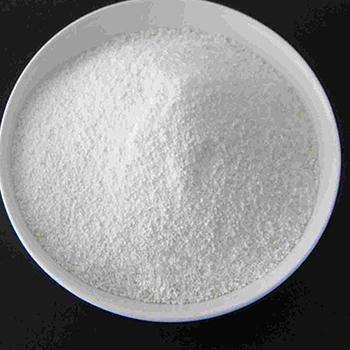
Chemical Name: Dehydrocholic acid
Synonyms: Acide dehydrocholique; Triketocholanic acid
CAS No.: 81-23-2
Molecular Formula: C24H34O5
Molecular Weight: 402.53
Appearance: Powder
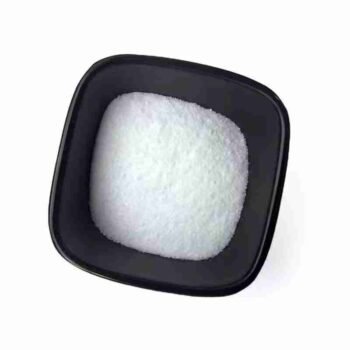
POLY(VINYL CHLORIDE-CO-ISOBUTYL VINYL ETHER) is a copolymer that combines the properties of vinyl chloride and isobutyl vinyl ether. This polymer offers a balance of rigidity and flexibility, along with enhanced chemical resistance and durability. It is commonly used in the production of films, coatings, and adhesives due to its excellent barrier properties against gases and moisture, making it ideal for packaging and construction applications.

Chemical Name: Imazalil Sulfate
CAS No.: 58594-72-2
Molecular Formula: C14H14Cl2N2O.H2SO4
Molecular Weight: 395.26
Appearance: Solid
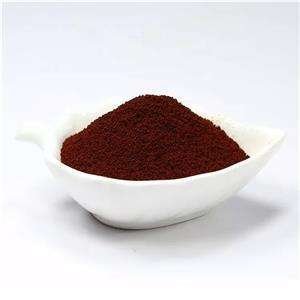
Chemical Name: Choline salicylate
CAS No.: 2016-36-6
Molecular Formula: C12H19NO4
Molecular Weight: 241.28
Appearance: Red-Brown Crystal
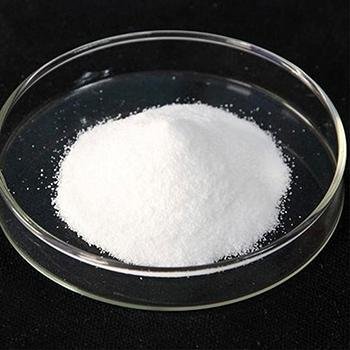
Chemical Name: UV-120
Other Name: (2’,4’-Di-tert-butylphenyl 3,5-di-tert-butyl-4-hydroxybenzoate)
CAS No.: 4221-80-1
Molecular Fomula: C29H42O3
Molecular weight: 438.66
Assay: ≥99%(LC)

Chemical Name: Zinc citrate
Synonyms: Zinc citrate trihydrate
CAS No.: 546-46-3
Molecular Formula: C6H8O7Zn
Molecular Weight: 257.5
Appearance: White powder
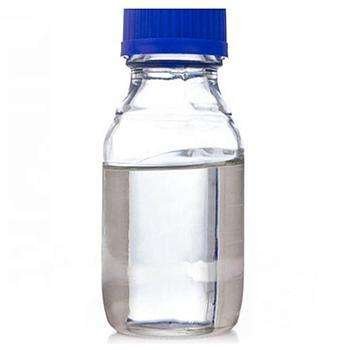
Chemical Name: STODDARD SOLVENT
CAS No.: 64742-88-7
Appearance: Colorless or Light Yellow Liquid
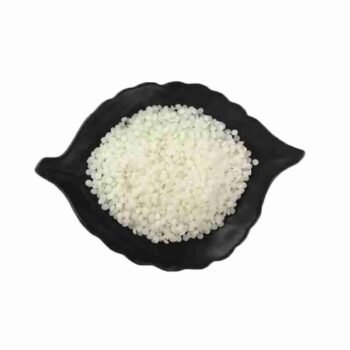
Tetraacetylethylenediamine is a fully acetylated derivative of ethylenediamine, offering a high reactivity as an intermediate in organic synthesis. Its unique structure makes it a critical component in the production of specialty chemicals and pharmaceuticals, ensuring a wide range of applications in the chemical industry.
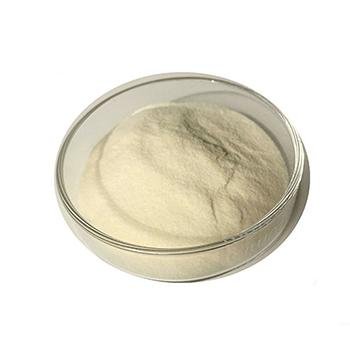
Chemical Name: Quercetin-3-O-sophoroside
CAS No.: 18609-17-1
Molecular Formula: C27H30O17
Molecular Weight: 626.52


