
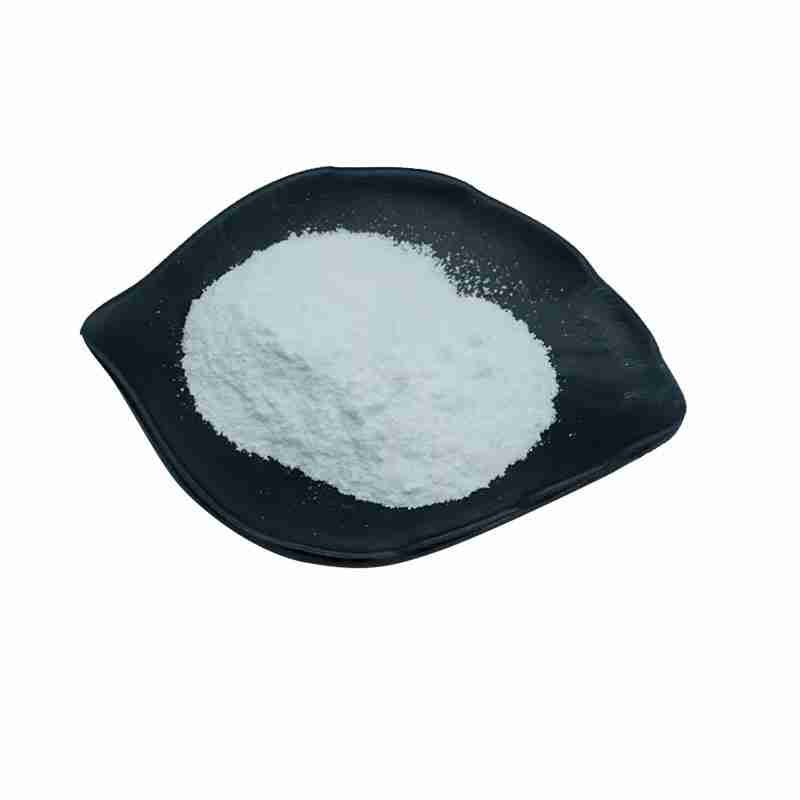
P-Aminobenzenesulfinic acid CAS#100-03-8

The functions of p-aminobenzenesulfinic acid (CAS 100-03-8) mainly include the following aspects:
Intermediate in chemical synthesis: It can be used to synthesize a variety of organic compounds, participate in various chemical reactions, and provide key structural units for the synthesis of complex organic molecules.
Medical field: It may play a role in the synthesis of certain drugs, but its specific application depends on the formulation and research and development needs of the drugs.
Analytical chemistry: It may be used as an analytical reagent to detect or quantify certain substances.
P-Aminobenzenesulfinic acid CAS#100-03-8
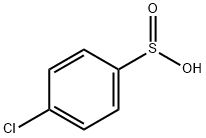
| p-chlorobenzenesulphinic acid Basic information |
| Product Name: | p-chlorobenzenesulphinic acid |
| Synonyms: | P-CHLORO BENZENE SULFINIC ACID;4-Chlorobenzenesulfinicacid;p-chlorobenzenesulphinic acid |
| CAS: | 100-03-8 |
| MF: | C6H5ClO2S |
| MW: | 176.62 |
| EINECS: | 202-812-2 |
| Product Categories: | |
| Mol File: | 100-03-8.mol |
 |
|
| p-chlorobenzenesulphinic acid Chemical Properties |
| Melting point | 99 ??C |
| Boiling point | 251??C (estimate) |
| density | 1.3872 (estimate) |
| pka | 1.14??0.10(Predicted) |
| CAS DataBase Reference | 100-03-8 |
| EPA Substance Registry System | Benzenesulfinic acid, 4-chloro- (100-03-8) |
| Safety Information |
| MSDS Information |
| p-chlorobenzenesulphinic acid Usage And Synthesis |
| Chemical Properties | solid |
| Synthesis Reference(s) | Chemical and Pharmaceutical Bulletin, 36, p. 2652, 1988?DOI:?10.1248/cpb.36.2652 |
Related Products
1-Octanol, also known as Capryl alcohol or n-Octanol, is a clear, colorless liquid with a characteristic waxy odor. It is an alcohol with eight carbon atoms in its chain, making it a part of the aliphatic alcohol family. This compound is poorly soluble in water but is miscible with ethanol, diethyl ether, and chloroform . It has a melting point of approximately -15??C and a boiling point of around 196??C . 1-Octanol is used in the production of esters, plasticizers, and as a solvent or intermediate in the synthesis of various organic compounds. It also finds application in the fragrance industry as a fixative in perfumes and can be used in the formulation of flavor and scent compositions . It is important to note that 1-Octanol is flammable and should be handled with care, storing it away from sources of ignition and heat .
3,4-Ethylenedioxythiophene is a synthetic organic compound characterized by its unique structure that includes a thiophene ring with ethylenedioxy substituents at the 3 and 4 positions. This compound is known for its potential applications in the synthesis of various organic materials, including pharmaceuticals and organic electronic devices such as sensors and solar cells. Its stability and reactivity make it a versatile intermediate in the chemical industry.
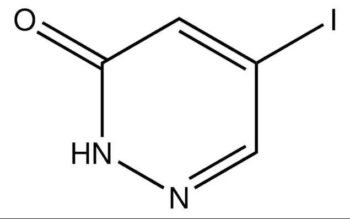
Common English name: 5-iodo-2,3-dihydropyridazin-3-one
CAS No.: 825633-94-1
Molecular formula: C4H3IN2O
Molecular weight: 221.98
Sample: Available
Chemical Name: o-Xylene
Synonyms: 1,2-Dimethylbenzene; ortho-xylene
CAS No.: 95-47-6
Molecular Formula: C8H10
Molecular Weight: 106.17
POLY(VINYL CHLORIDE-CO-ISOBUTYL VINYL ETHER) is a copolymer that combines the properties of vinyl chloride and isobutyl vinyl ether. This polymer offers a balance of rigidity and flexibility, along with enhanced chemical resistance and durability. It is commonly used in the production of films, coatings, and adhesives due to its excellent barrier properties against gases and moisture, making it ideal for packaging and construction applications.
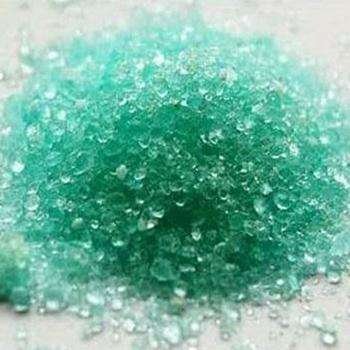
Chemical Name: Ammonium Iron(II) Sulfate
Synonyms: Diammonium iron bis(sulphate); iron (ii) ammonium sulfate
CAS No.: 10045-89-3
Molecular Formula: FeH5NO4S
Molecular Weight: 170.95
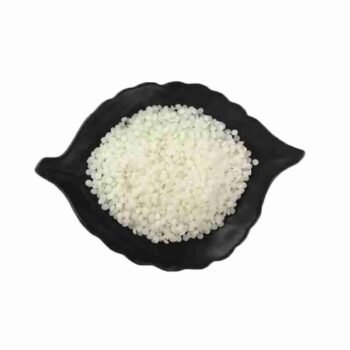
Tetraacetylethylenediamine is a fully acetylated derivative of ethylenediamine, offering a high reactivity as an intermediate in organic synthesis. Its unique structure makes it a critical component in the production of specialty chemicals and pharmaceuticals, ensuring a wide range of applications in the chemical industry.
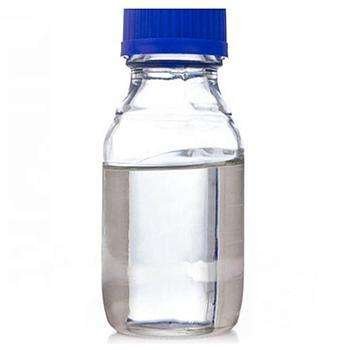
Chemical Name: STODDARD SOLVENT
CAS No.: 64742-88-7
Appearance: Colorless or Light Yellow Liquid
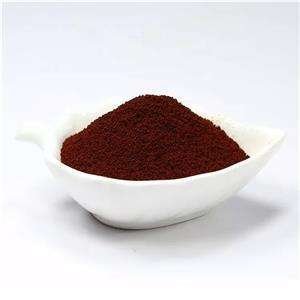
Chemical Name: Choline salicylate
CAS No.: 2016-36-6
Molecular Formula: C12H19NO4
Molecular Weight: 241.28
Appearance: Red-Brown Crystal
Chemical Name: 1,1,2,2-Tetrachloroethane
Other Name: Tetrachlorethane
CAS No.: 79-34-5
Molecular Formula: C2H2Cl4
Molecular Weight: 167.85
Appearance: Liquid

Chemical Name: 3-Hydroxybutyric acid
CAS No.: 625-71-8
Molecular Formula: C4H8O3
Molecular Weight: 104.1
Appearance: White powder

Ethylhexyl Palmitate is a skin-conditioning ester, derived from ethylhexanol and palmitic acid, that imparts moisturization and a smooth texture to cosmetic and personal care formulations. It is valued for its emollient properties, enhancing the sensory experience of skin care products.


