
Description
DL-Lysine Details
Chemical Name: DL-Lysine
CAS No.: 70-54-2
Molecular Formula: C6H14N2O2
Molecular Weight: 146.19
Molecular?Structure:
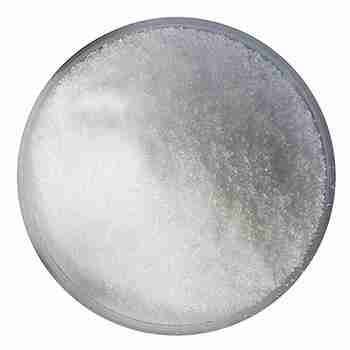
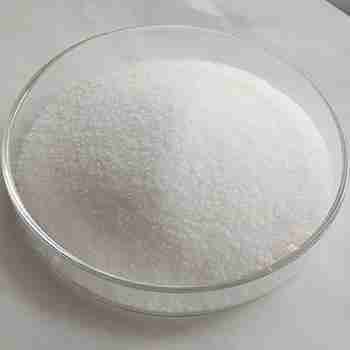
Appearance: White powder
Typical?Properties
Boiling Point
265.81??C (rough estimate)
Melting Point
170???C (dec.)(lit.)
Density
1,12 g/cm3
Storage
under inert gas (nitrogen or Argon) at 2?C8 ??C
Appearance
Powder
Colour
White
DL-Lysine Usage
DL-lysine, also known as racemic lysine, can be used as a biochemical reagent or bacterial culture, and can also be used as a raw material for producing L- or D-lysine.
Packaging and Shipping
Packing: 25KG/Drum
DL-Lysine Storage
Keep in a well-closed,light-resistant, dry and cool place.
Related Products
Chemical Name: LOCUST BEAN GUM
CAS No.:9000-40-2
Molecular Fomula: C10H11ClN2O2
Molecular weight: 226.65954
Appearance: Off-white to light beige solid
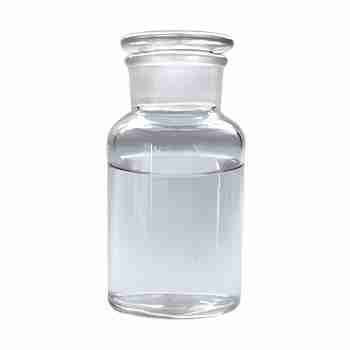
Chemical Name: D-PANTOTHENIC ACID
CAS No.: 79-83-4
Molecular Formula: C9H17NO5
Molecular Weight: 219.24
Appearance: Colorless or Light Yellow Oily Liquid
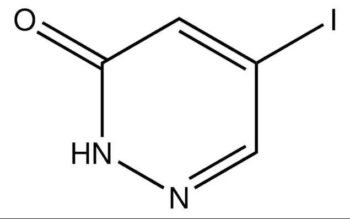
Common English name: 5-iodo-2,3-dihydropyridazin-3-one
CAS No.: 825633-94-1
Molecular formula: C4H3IN2O
Molecular weight: 221.98
Sample: Available
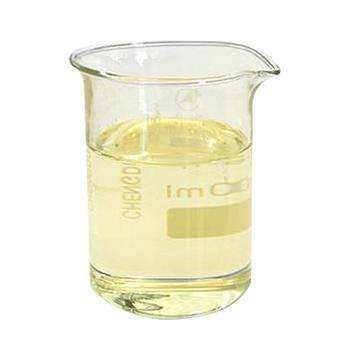
Chemical Name: Potassium Castorate
CAS No.: 8013-05-6
Molecular Formula: C57H107K3O12
Molecular Weight: 1101.74718
Appearance: Yellow Liquid
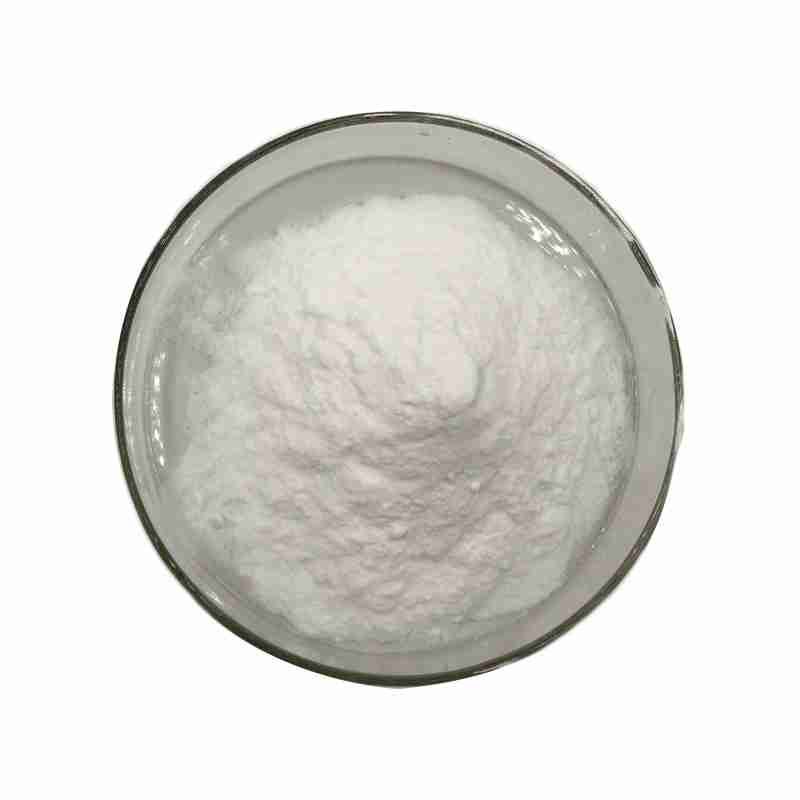
Monostearin is a versatile emulsifier and emollient derived from glycerol and stearic acid. It is instrumental in stabilizing emulsions and enhancing the texture and consistency of a wide range of products in the cosmetics, food, and pharmaceutical sectors.
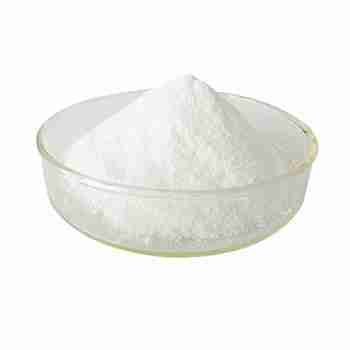
Chemical Name: Disodium Hydrogen Citrate Sesquihydrate
Cas No.: 6132-05-4
Appearance:?White Powder
Assay??99%
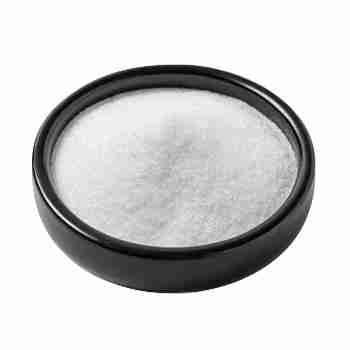
Chemical Name: LACTITOL
CAS No.: 585-86-4
Molecular Fomula: C12H24O11
Molecular weight:?344.31
Appearance:?White crystalline powder
Assay: 98.0%-101.0%
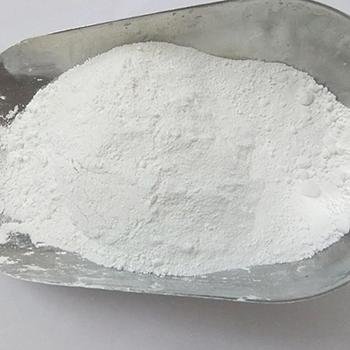
Product name:Cyclopentane
Purity:96%
Appearance:White powder
Package:25kg/bag
Sample:Available
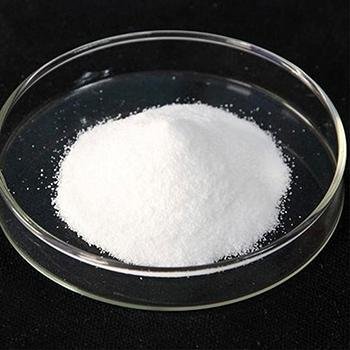
Chemical Name: UV-120
Other Name: (2’,4’-Di-tert-butylphenyl 3,5-di-tert-butyl-4-hydroxybenzoate)
CAS No.: 4221-80-1
Molecular Fomula: C29H42O3
Molecular weight: 438.66
Assay: ≥99%(LC)
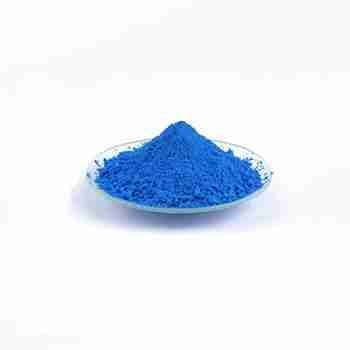
Chemical Name: COPPER (II) GLUCONATE, MIN. 98
CAS No.: 13005-35-1
Molecular Fomula: C12H22CuO14
Molecular weight: 453.84068
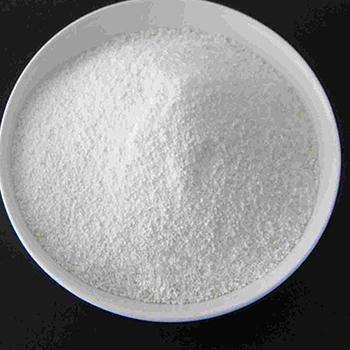
Chemical Name: Dehydrocholic acid
Synonyms: Acide dehydrocholique; Triketocholanic acid
CAS No.: 81-23-2
Molecular Formula: C24H34O5
Molecular Weight: 402.53
Appearance: Powder
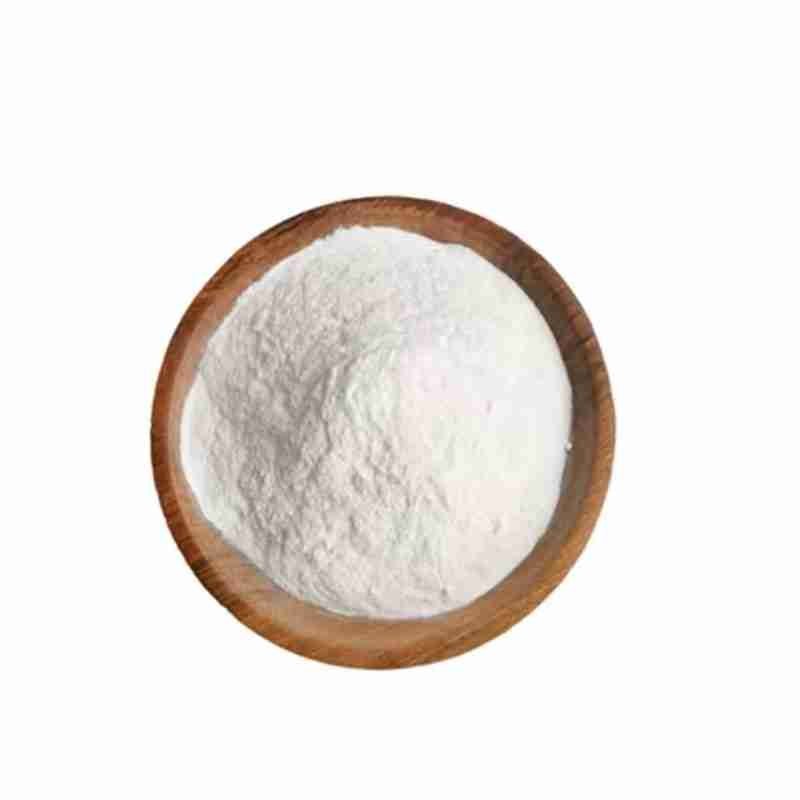
Microcrystalline cellulose is a purified, partially depolymerized cellulose that occurs as a white, odorless, tasteless, crystalline powder composed of porous particles. It is commercially available in different particle sizes and moisture grades that have different properties and applications.
Microcrystalline cellulose and carboxymethylcellulose sodium occurs as a white or off-white odorless and tasteless hygroscopic powder containing 5?C22% sodium carboxymethylcellulose. It is a water-dispersible organic hydrocolloid.



Reviews
There are no reviews yet.