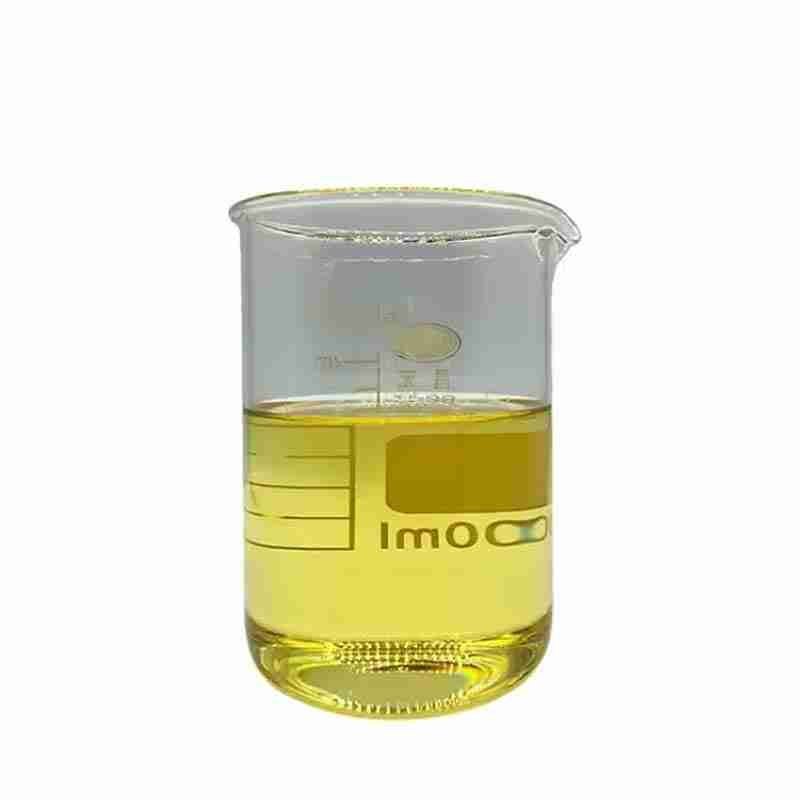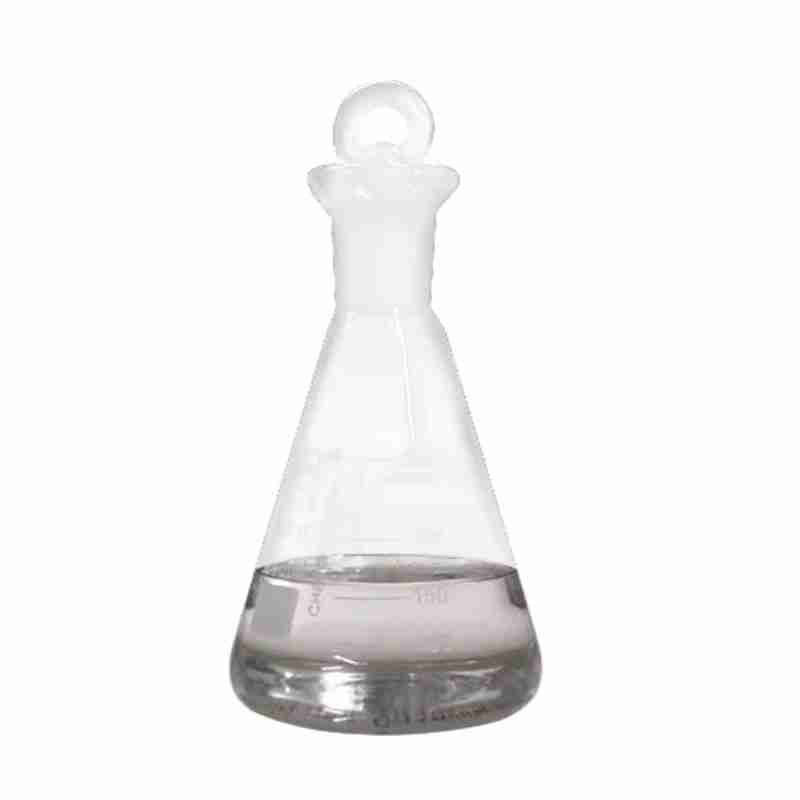
Dimethyl Sulfide CAS #75-18-3
Methyl sulfur has the unpleasant smell of wild radish, similar to cabbage. Only at very low levels (0.1 ?C 3.0 ppm) can it be tolerated as a green vegetable flavor. It can be prepared by the reaction of potassium sulfide and methyl chloride in methanol solution; From potassium methyl sulfate and potassium sulfide.
Dimethyl sulfide (DMS) or methyl thiomethane is an organic sulfur compound with the molecular formula (CH 3) 2 s. Dimethyl sulfide is a flammable liquid that boils at 37 ?? C (99 ?? f) and has an unpleasant odor. It is a component of the smell produced by certain vegetables (especially corn, cabbage, beetroot and seafood) during cooking. This is also a sign of bacterial contamination during malt production and brewing. It is the decomposition product of dimethylsulfopropionic acid (DMSP) and methyl mercaptan produced by bacterial metabolism.
Dimethyl Sulfide CAS #75-18-3
| Dimethyl sulfide Basic information |
| Product Name: | Dimethyl sulfide |
| Synonyms: | Dimethyl sulfide, DMS, Methyl sulfide;DMS, Methyl sulfide;Dinaethlvl Sulfide;Dimethyl sulfide anhydrous, >=99.0%;Dimethyl Sulfide(FEMA No.2746);Methylsulfide,99%;2-Thiopropane;Dimethyl monosulfide |
| CAS: | 75-18-3 |
| MF: | C2H6S |
| MW: | 62.13 |
| EINECS: | 200-846-2 |
| Product Categories: | Organics;sulfide Flavor;Allium cepa (Onion);Allium sativum (Garlic);Building Blocks;Chemical Synthesis;Nutrition Research;Organic Building Blocks;Phytochemicals by Plant (Food/Spice/Herb);Sulfides/Disulfides;Sulfur Compounds;Bioactive Small Molecules;Cell Biology;DIG-DY;Amber Glass Bottles;Reagent;Solvent Bottles;Solvent Packaging Options;Solvents;solvent;Sulfides flavors |
| Mol File: | 75-18-3.mol |
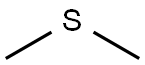 |
|
| Dimethyl sulfide Chemical Properties |
| Melting point | ?98???C(lit.) |
| Boiling point | 38???C(lit.) |
| density | 0.846?g/mL?at 25???C(lit.) |
| vapor density | 2.1 (vs air) |
| vapor pressure | 26.24 psi ( 55 ??C) |
| refractive index | n20/D?1.435(lit.) |
| FEMA | 2746 | METHYL SULFIDE |
| Fp | ?34???F |
| storage temp. | Store at +2??C to +8??C. |
| solubility | Miscible with alcohols, ethers, esters, ketones, aliphatic and aromatic hydrocarbons. |
| form | Liquid |
| color | Clear colorless |
| Specific Gravity | 0.849 (20/4??) |
| Odor | Ethereal, permeating; disagreeable; offensive. |
| explosive limit | 2.2-19.7%(V) |
| Odor Threshold | 0.003ppm |
| Odor Type | sulfurous |
| JECFA Number | 452 |
| Merck | 14,6123 |
| BRN | 1696847 |
| Dielectric constant | 6.3??20?棩 |
| Exposure limits | ACGIH: TWA 10 ppm |
| Stability: | Stable. Incompatible with strong oxidizing agents. Highly flammable – note low boiling point, low flash point, and wide explosion limits. Mixtures with air are potentially explosive. Incompatible with strong oxidizing agents. Use in UK regulated by LPG Regulations 1978 in accordance with HSE guidance note CS17. |
| InChIKey | QMMFVYPAHWMCMS-UHFFFAOYSA-N |
| LogP | 0.89 |
| CAS DataBase Reference | 75-18-3(CAS DataBase Reference) |
| NIST Chemistry Reference | Dimethyl sulfide(75-18-3) |
| EPA Substance Registry System | Dimethyl sulfide (75-18-3) |
Related Products
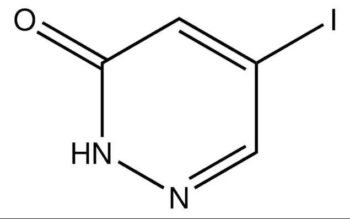
Common English name: 5-iodo-2,3-dihydropyridazin-3-one
CAS No.: 825633-94-1
Molecular formula: C4H3IN2O
Molecular weight: 221.98
Sample: Available
Succinimide is a heterocyclic organic compound and an important industrial chemical. It serves as a key intermediate in the synthesis of various pharmaceuticals, agrochemicals, and other specialty chemicals. Known for its reactivity and versatility, succinimide is widely used in the production of succinic anhydride, a precursor to many polymers and plasticizers, highlighting its significance in the chemical industry.
Tetraacetylethylenediamine is a fully acetylated derivative of ethylenediamine, offering a high reactivity as an intermediate in organic synthesis. Its unique structure makes it a critical component in the production of specialty chemicals and pharmaceuticals, ensuring a wide range of applications in the chemical industry.
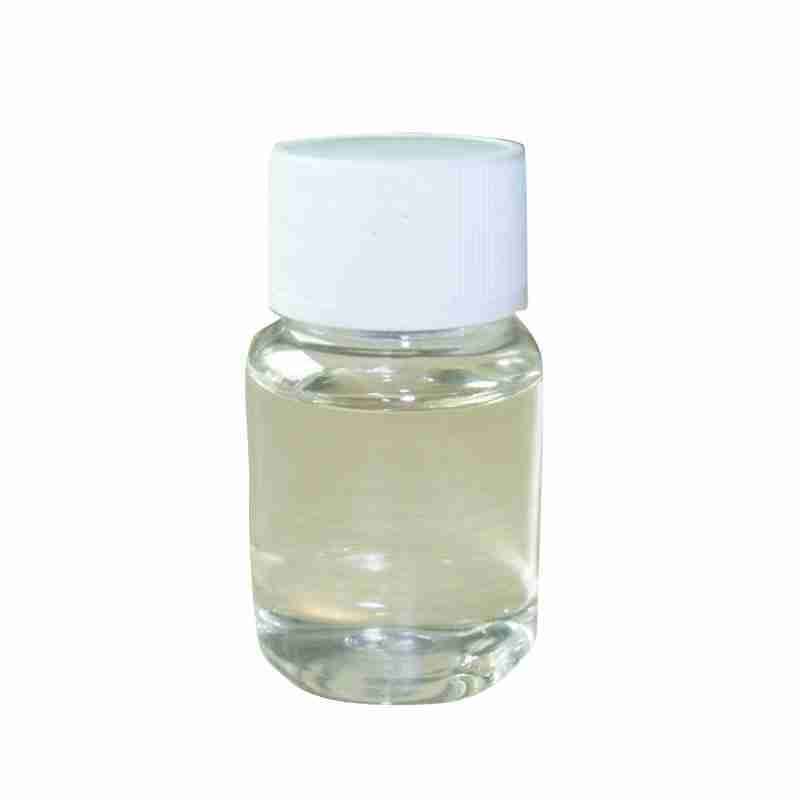
3,4-Ethylenedioxythiophene is a synthetic organic compound characterized by its unique structure that includes a thiophene ring with ethylenedioxy substituents at the 3 and 4 positions. This compound is known for its potential applications in the synthesis of various organic materials, including pharmaceuticals and organic electronic devices such as sensors and solar cells. Its stability and reactivity make it a versatile intermediate in the chemical industry.

Benzothiazoles are a class of chemical compounds characterized by a fused benzene and thiazole ring. They exhibit a broad spectrum of applications, particularly as antioxidants in rubber and plastic industries, enhancing product longevity and performance. Additionally, benzothiazoles serve as key intermediates in the synthesis of pharmaceuticals, contributing to the development of life-saving drugs. Recognized for their stability and reactivity, these compounds are integral to advancing material science and healthcare solutions.
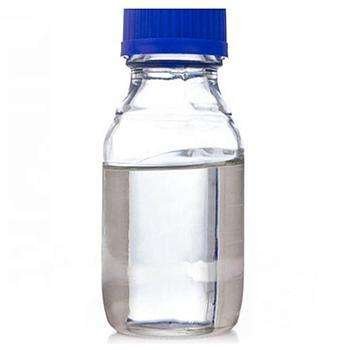
Chemical Name: STODDARD SOLVENT
CAS No.: 64742-88-7
Appearance: Colorless or Light Yellow Liquid
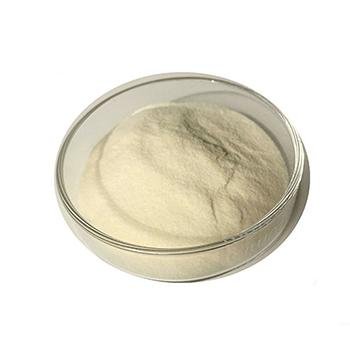
Chemical Name: Quercetin-3-O-sophoroside
CAS No.: 18609-17-1
Molecular Formula: C27H30O17
Molecular Weight: 626.52
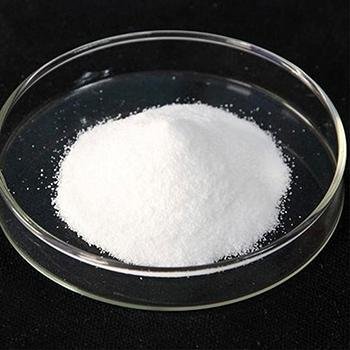
Chemical Name: UV-120
Other Name: (2’,4’-Di-tert-butylphenyl 3,5-di-tert-butyl-4-hydroxybenzoate)
CAS No.: 4221-80-1
Molecular Fomula: C29H42O3
Molecular weight: 438.66
Assay: ≥99%(LC)

N,N-Dimethylaniline is an organic compound with amine and methyl groups attached to a benzene ring. It is a colorless liquid with a characteristic amine odor. This compound is primarily used as a chemical intermediate in the synthesis of dyes, pigments, and polymers. Its reactivity makes it a valuable building block in the production of various organic compounds, particularly in the pharmaceutical and chemical industries.
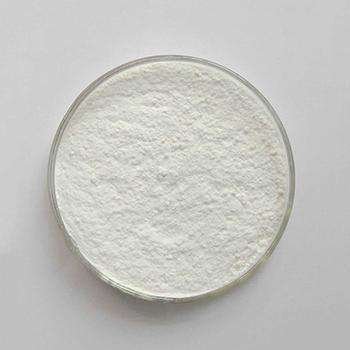
Chemical Name: Zinc citrate
Synonyms: Zinc citrate trihydrate
CAS No.: 546-46-3
Molecular Formula: C6H8O7Zn
Molecular Weight: 257.5
Appearance: White powder
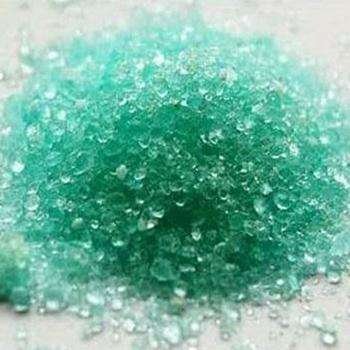
Chemical Name: Ammonium Iron(II) Sulfate
Synonyms: Diammonium iron bis(sulphate); iron (ii) ammonium sulfate
CAS No.: 10045-89-3
Molecular Formula: FeH5NO4S
Molecular Weight: 170.95
1-Octanol, also known as Capryl alcohol or n-Octanol, is a clear, colorless liquid with a characteristic waxy odor. It is an alcohol with eight carbon atoms in its chain, making it a part of the aliphatic alcohol family. This compound is poorly soluble in water but is miscible with ethanol, diethyl ether, and chloroform . It has a melting point of approximately -15??C and a boiling point of around 196??C . 1-Octanol is used in the production of esters, plasticizers, and as a solvent or intermediate in the synthesis of various organic compounds. It also finds application in the fragrance industry as a fixative in perfumes and can be used in the formulation of flavor and scent compositions . It is important to note that 1-Octanol is flammable and should be handled with care, storing it away from sources of ignition and heat .