

Deoxyarbutin CAS# 53936-56-4


Deoxyarbutin (CAS 53936-56-4) is usually a white to off-white powder.
Deoxyarbutin is a highly effective whitening ingredient. Its effect in inhibiting melanin production is significantly better than traditional arbutin.
In cosmetics, deoxyarbutin is often added to whitening skin care products to help reduce spots and brighten skin tone. For example, some high-end whitening essences, creams and other products will use deoxyarbutin to achieve better whitening effects.
However, when using products containing deoxyarbutin, you need to pay attention to the possible adverse reactions such as skin irritation, especially for people with sensitive skin.
Deoxyarbutin CAS# 53936-56-4
| Deoxyarbutin Basic information |
| Product Name: | Deoxyarbutin |
| Synonyms: | Deoxyarbutin;4-(TETRAHYDRO-2H-2-PYRANYLOXY)PHENOL;4-[(Tetrahydro-2H-pyran-2-yl)oxy]phenol;Phenol,4-[(tetrahydro-2H-pyran-2-yl)oxy]-;Deoxyarbutin 4-[(Tetrahydro-2H-pyran-2-yl)oxy]phenol;TIANFUCHEM–53936-56-4–Deoxyarbutin factory price;Deoxyarbutin, 98%+;Dexyarbutin |
| CAS: | 53936-56-4 |
| MF: | C11H14O3 |
| MW: | 194.23 |
| EINECS: | 1308068-626-2 |
| Product Categories: | Inhibitors;Cosmetics;53936-56-4 |
| Mol File: | 53936-56-4.mol |
 |
|
| Deoxyarbutin Chemical Properties |
| Melting point | 88-89 ??C(Solv: ligroine (8032-32-4)) |
| Boiling point | 349.8??32.0 ??C(Predicted) |
| density | 1.174 |
| storage temp. | under inert gas (nitrogen or Argon) at 2-8??C |
| solubility | Chloroform (Slightly), DMSO (Slightly), Methanol (Slightly, Sonicated) |
| pka | 10.10??0.15(Predicted) |
| form | Solid |
| color | White to Off-White |
| Stability: | Hygroscopic |
| Safety Information |
| HS Code | 2932990090 |
| MSDS Information |
| Deoxyarbutin Usage And Synthesis |
| Description | Deoxyarbutin is a tyrosinase inhibitor (IC50?= 17.5 ??M for mushroom tyrosinase). It reduces melanin content in isolated dark human melanocytes when used at a concentration of 1.56 ??M. Topical administration of deoxyarbutin (5%) induces skin lightening in human skin mouse xenograft models. Deoxyarbutin also inhibits proliferation of B16/F10 murine melanoma cells (EC50?= 39.56 ??M). It induces apoptosis and halts the cell cycle at the S phase in B16/F10 cells when used at a concentration of 50 ??M. Deoxyarbutin (50 mg/kg) reduces tumor growth in a B16/F10 murine melanoma model. |
| Uses | Deoxyarbutin acts as a skin whitening agent through the inhibition of tyrosinase. A safer alternative to the use of hydroquinone and arbutin. |
| Preparation | Deoxyarbutin is a derivative of ?-arbutin, obtained by removal of hydroxyl groups from the glucose side-chain of ?-arbutin. |
Related Products

Chemical Name: Ammonium Iron(II) Sulfate
Synonyms: Diammonium iron bis(sulphate); iron (ii) ammonium sulfate
CAS No.: 10045-89-3
Molecular Formula: FeH5NO4S
Molecular Weight: 170.95
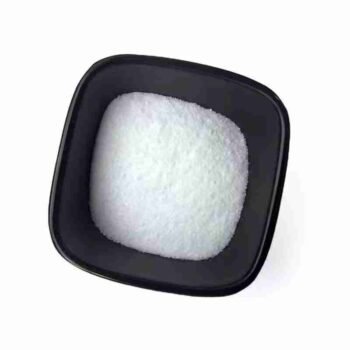
POLY(VINYL CHLORIDE-CO-ISOBUTYL VINYL ETHER) is a copolymer that combines the properties of vinyl chloride and isobutyl vinyl ether. This polymer offers a balance of rigidity and flexibility, along with enhanced chemical resistance and durability. It is commonly used in the production of films, coatings, and adhesives due to its excellent barrier properties against gases and moisture, making it ideal for packaging and construction applications.
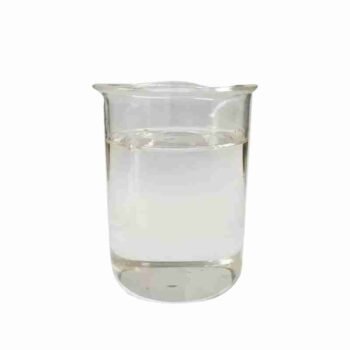
Silicone oil, known for its chemical designation as dimethicone or polydimethylsiloxane, is a synthetic polymer with a backbone of alternating silicon and oxygen atoms, creating a highly versatile and stable compound. It is renowned for its exceptional lubricating properties, heat resistance, and non-toxic nature, making it a staple in various industries, including cosmetics, automotive, and aerospace.
This hydrophobic, non-volatile oil is valued for its ability to provide a smooth, non-greasy feel and to form stable emulsions with other ingredients. In personal care products, silicone oil is used to impart a silky texture, reduce friction on the skin, and create a protective barrier against environmental stressors without clogging pores.
Silicone oil’s chemical inertness and resistance to oxidation contribute to its long shelf life and stability in formulations. It is also appreciated for its compatibility with a wide range of substances, allowing for the creation of multifunctional products.
In summary, silicone oil is a reliable and multifaceted ingredient, offering a combination of performance, safety, and sensory benefits. Its use in a variety of applications reflects its versatility and enduring appeal in the marketplace.

N,N-Dimethylaniline is an organic compound with amine and methyl groups attached to a benzene ring. It is a colorless liquid with a characteristic amine odor. This compound is primarily used as a chemical intermediate in the synthesis of dyes, pigments, and polymers. Its reactivity makes it a valuable building block in the production of various organic compounds, particularly in the pharmaceutical and chemical industries.
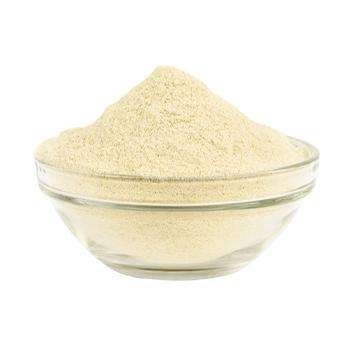
Chemical Name: Arabic gum
CAS No.: 9000-01-5
Appearance: powder
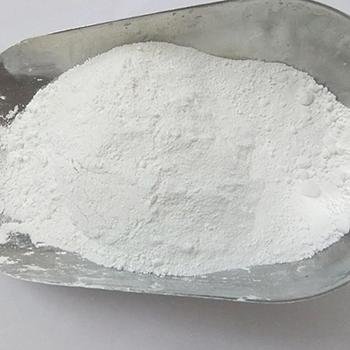
Product name:Cyclopentane
Purity:96%
Appearance:White powder
Package:25kg/bag
Sample:Available
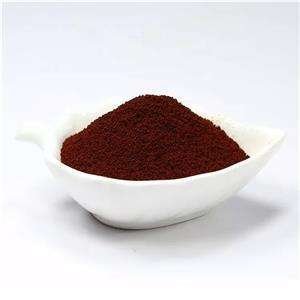
Chemical Name: Choline salicylate
CAS No.: 2016-36-6
Molecular Formula: C12H19NO4
Molecular Weight: 241.28
Appearance: Red-Brown Crystal
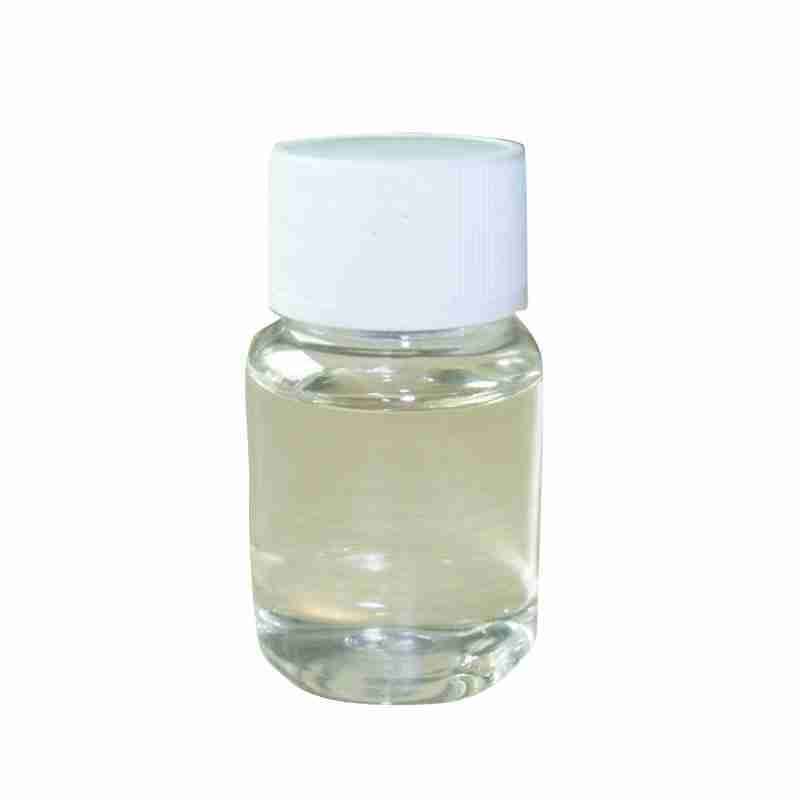
3,4-Ethylenedioxythiophene is a synthetic organic compound characterized by its unique structure that includes a thiophene ring with ethylenedioxy substituents at the 3 and 4 positions. This compound is known for its potential applications in the synthesis of various organic materials, including pharmaceuticals and organic electronic devices such as sensors and solar cells. Its stability and reactivity make it a versatile intermediate in the chemical industry.

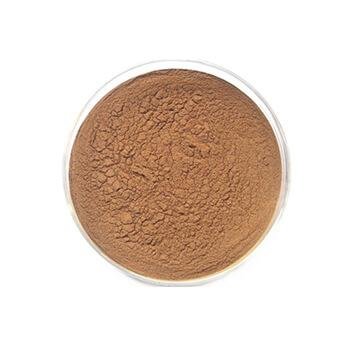
Chemical Name: Zinc citrate
Synonyms: Zinc citrate trihydrate
CAS No.: 546-46-3
Molecular Formula: C6H8O7Zn
Molecular Weight: 257.5
Appearance: White powder
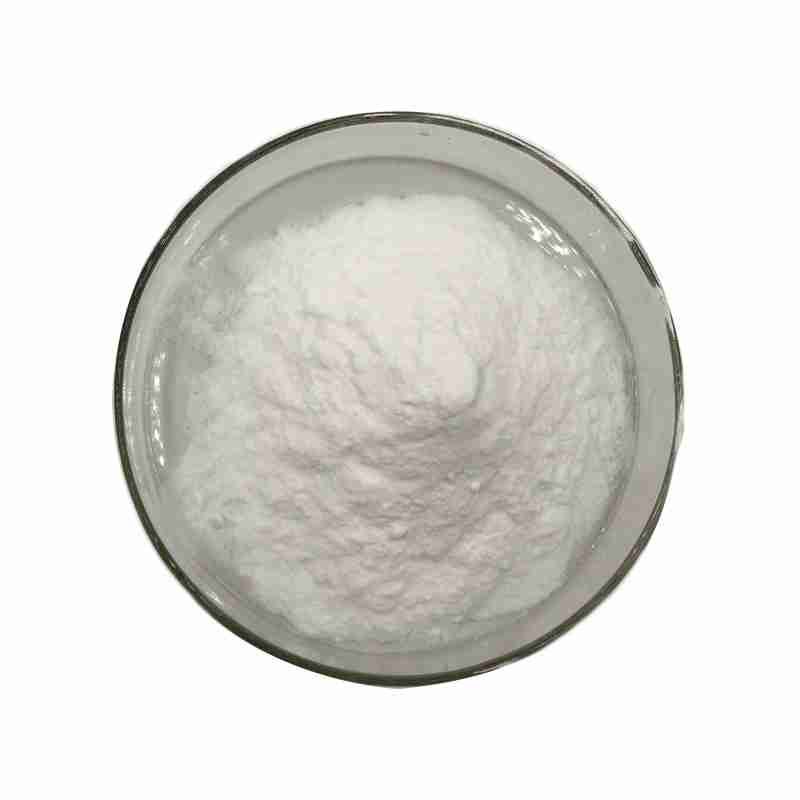
Chemical Name: Ashwagandha Extract
Synonyms: Withania somnifera, ext.; Withania Somnefera Extract
CAS: 90147-43-6
Appearance: Brown
Succinimide is a heterocyclic organic compound and an important industrial chemical. It serves as a key intermediate in the synthesis of various pharmaceuticals, agrochemicals, and other specialty chemicals. Known for its reactivity and versatility, succinimide is widely used in the production of succinic anhydride, a precursor to many polymers and plasticizers, highlighting its significance in the chemical industry.

Chemical Name: 1,1,2,2-Tetrachloroethane
Other Name: Tetrachlorethane
CAS No.: 79-34-5
Molecular Formula: C2H2Cl4
Molecular Weight: 167.85
Appearance: Liquid


