

Deoxyarbutin CAS# 53936-56-4


Deoxyarbutin (CAS 53936-56-4) is usually a white to off-white powder.
Deoxyarbutin is a highly effective whitening ingredient. Its effect in inhibiting melanin production is significantly better than traditional arbutin.
In cosmetics, deoxyarbutin is often added to whitening skin care products to help reduce spots and brighten skin tone. For example, some high-end whitening essences, creams and other products will use deoxyarbutin to achieve better whitening effects.
However, when using products containing deoxyarbutin, you need to pay attention to the possible adverse reactions such as skin irritation, especially for people with sensitive skin.
Deoxyarbutin CAS# 53936-56-4
| Deoxyarbutin Basic information |
| Product Name: | Deoxyarbutin |
| Synonyms: | Deoxyarbutin;4-(TETRAHYDRO-2H-2-PYRANYLOXY)PHENOL;4-[(Tetrahydro-2H-pyran-2-yl)oxy]phenol;Phenol,4-[(tetrahydro-2H-pyran-2-yl)oxy]-;Deoxyarbutin 4-[(Tetrahydro-2H-pyran-2-yl)oxy]phenol;TIANFUCHEM–53936-56-4–Deoxyarbutin factory price;Deoxyarbutin, 98%+;Dexyarbutin |
| CAS: | 53936-56-4 |
| MF: | C11H14O3 |
| MW: | 194.23 |
| EINECS: | 1308068-626-2 |
| Product Categories: | Inhibitors;Cosmetics;53936-56-4 |
| Mol File: | 53936-56-4.mol |
 |
|
| Deoxyarbutin Chemical Properties |
| Melting point | 88-89 ??C(Solv: ligroine (8032-32-4)) |
| Boiling point | 349.8??32.0 ??C(Predicted) |
| density | 1.174 |
| storage temp. | under inert gas (nitrogen or Argon) at 2-8??C |
| solubility | Chloroform (Slightly), DMSO (Slightly), Methanol (Slightly, Sonicated) |
| pka | 10.10??0.15(Predicted) |
| form | Solid |
| color | White to Off-White |
| Stability: | Hygroscopic |
| Safety Information |
| HS Code | 2932990090 |
| MSDS Information |
| Deoxyarbutin Usage And Synthesis |
| Description | Deoxyarbutin is a tyrosinase inhibitor (IC50?= 17.5 ??M for mushroom tyrosinase). It reduces melanin content in isolated dark human melanocytes when used at a concentration of 1.56 ??M. Topical administration of deoxyarbutin (5%) induces skin lightening in human skin mouse xenograft models. Deoxyarbutin also inhibits proliferation of B16/F10 murine melanoma cells (EC50?= 39.56 ??M). It induces apoptosis and halts the cell cycle at the S phase in B16/F10 cells when used at a concentration of 50 ??M. Deoxyarbutin (50 mg/kg) reduces tumor growth in a B16/F10 murine melanoma model. |
| Uses | Deoxyarbutin acts as a skin whitening agent through the inhibition of tyrosinase. A safer alternative to the use of hydroquinone and arbutin. |
| Preparation | Deoxyarbutin is a derivative of ?-arbutin, obtained by removal of hydroxyl groups from the glucose side-chain of ?-arbutin. |
Related Products
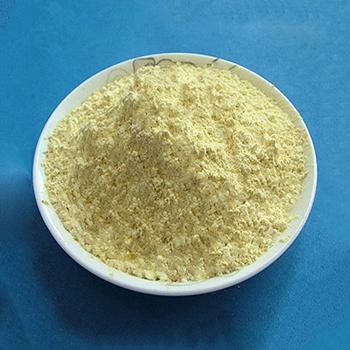
Product name:HYDROXYPROPYL GUAR HYDROXYPROPYLTRIMONIUM CHLORIDE
Purity:99%
Appearance:Light Yellow Powder
Package:Customized according to customer needs.
Sample:Available
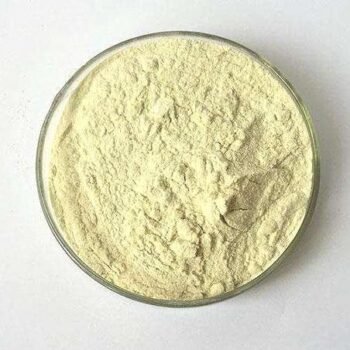
Chemical Name: o-Xylene
Synonyms: 1,2-Dimethylbenzene; ortho-xylene
CAS No.: 95-47-6
Molecular Formula: C8H10
Molecular Weight: 106.17

Terpene resin is a type of natural resin derived from terpenes, which are organic compounds found in various plants. It is known for its aromatic properties and is commonly used in the production of fragrances, flavorings, and as a component in adhesives and coatings within the chemical industry. Terpene resin offers a range of benefits, including enhancing the solubility of essential oils and providing a stable base for various applications. Its natural origin makes it a preferred choice for eco-friendly products.
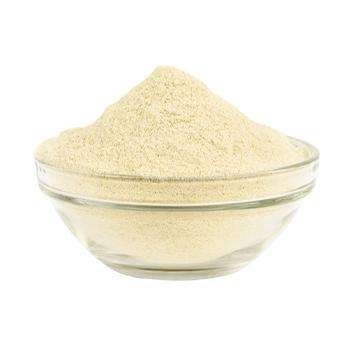
Chemical Name: Arabic gum
CAS No.: 9000-01-5
Appearance: powder

Butylated Hydroxytoluene (BHT) is a synthetic phenolic antioxidant commonly added to foods, cosmetics, and packaging to prevent the oxidation of fats and oils, thereby extending their shelf life. It is also used as a preservative in a variety of products, including rubber, petroleum products, and animal feed. BHT is recognized for its effectiveness in maintaining nutrient levels, color, flavor, and odor in food products . It is known to have a melting point of 69-71??C, a boiling point of 265??C, and is soluble in ethanol, acetone, and benzene, but not in water, glycerin, or propylene glycol . BHT is also used in some dietary supplements due to its antioxidant properties . However, it is important to handle BHT with care, as it can cause skin irritation and is considered harmful if swallowed .
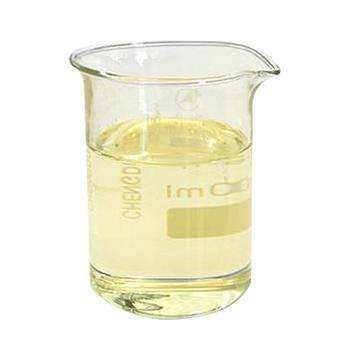
Chemical Name: Potassium Castorate
CAS No.: 8013-05-6
Molecular Formula: C57H107K3O12
Molecular Weight: 1101.74718
Appearance: Yellow Liquid
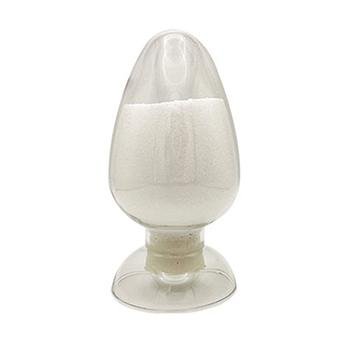
Chemical Name: Imazalil Sulfate
CAS No.: 58594-72-2
Molecular Formula: C14H14Cl2N2O.H2SO4
Molecular Weight: 395.26
Appearance: Solid
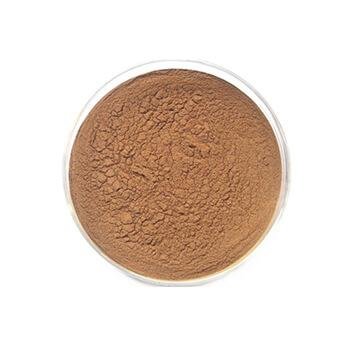
Chemical Name: Ashwagandha Extract
Synonyms: Withania somnifera, ext.; Withania Somnefera Extract
CAS: 90147-43-6
Appearance: Brown

N,N-Dimethylaniline is an organic compound with amine and methyl groups attached to a benzene ring. It is a colorless liquid with a characteristic amine odor. This compound is primarily used as a chemical intermediate in the synthesis of dyes, pigments, and polymers. Its reactivity makes it a valuable building block in the production of various organic compounds, particularly in the pharmaceutical and chemical industries.
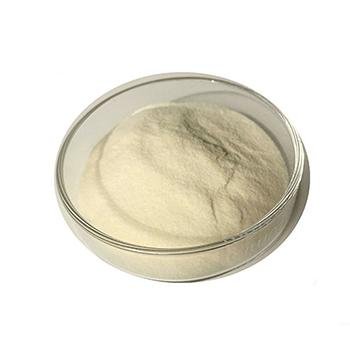
Chemical Name: Quercetin-3-O-sophoroside
CAS No.: 18609-17-1
Molecular Formula: C27H30O17
Molecular Weight: 626.52


Octocrylene is an organic compound widely recognized for its potent UV-filtering properties, making it an essential ingredient in sunscreens and other skincare products designed to protect the skin from harmful ultraviolet radiation. With the chemical name 2-(4-Methylbenzyl)-2H-benzotriazole-5-methyl, octocrylene is a stable and photostable molecule that provides broad-spectrum protection against both UVA and UVB rays.
This oil-soluble chemical is valued for its ability to absorb UV radiation effectively, converting it into heat without causing skin irritation or staining clothes. Octocrylene is often used in combination with other UV filters to enhance the sun protection factor (SPF) of formulations, ensuring a balanced and comprehensive defense against sun damage.
As a lipophilic compound, octocrylene is compatible with various cosmetic and dermatological formulations, contributing to the development of lightweight, non-greasy sunscreens. Its chemical structure allows for a high degree of safety and efficacy, making it suitable for a wide range of skin types, including sensitive skin.
In summary, octocrylene is a reliable and efficient UV filter, pivotal in the formulation of modern sunscreens that offer advanced protection against the sun’s harmful effects while maintaining skin comfort and product aesthetics.
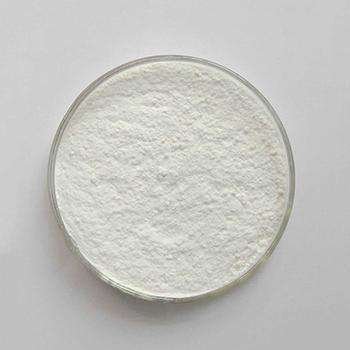
Chemical Name: Zinc citrate
Synonyms: Zinc citrate trihydrate
CAS No.: 546-46-3
Molecular Formula: C6H8O7Zn
Molecular Weight: 257.5
Appearance: White powder


