

Description
D(-)-Fructose Quick Details
Chemical Name: D(-)-Fructose
CAS No.: 57-48-7
Molecular Fomula: C6H12O6
Chemical Structure:
Molecular weight: 180.16
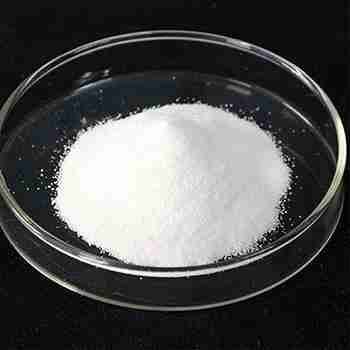
Appearance: White Powder
Typical Properties
ITEMS
SPECIFICATION
Density
1.59
Boiling point
232.96??C (rough estimate)
Refractive index
?-92 ?? (C=4, H2O)
Melting point
119-122???C (dec.)(lit.)
?
D(-)-Fructose application
1. Food: used in dairy products, meat products, baked products, flour products, seasoning foods, etc.
2. Medicine: health foods, fillers, pharmaceutical raw materials, etc.
3. Industrial manufacturing: petroleum industry, manufacturing industry, agricultural products, batteries, precision castings, etc.
4. Tobacco products: can replace glycerin as a flavoring agent for tobacco, antifreeze moisturizer.
5. Cosmetics: facial cleanser, beauty cream, lotion, shampoo, facial mask, etc.
6. Feed: pet canned food, animal feed, feed production, vitamin feed, pharmaceutical products, etc.
Packaging and Shipping?
25kg, 180kg, customized according to customer needs.
D(-)-Fructose?Storage
It should be stored in a clean, dry and cool place, preventing from sunlight, rain.
Related Products
Chemical Name: Polyglycerol Fatty Acid Ester
Synonyms: Decaglyceryl Dipalmitate
CAS No.: 67784-82-1
Molecular Fomula: C3H8O3
Molecular weight:432.642
Appearance:?White to yellow powder, solid, mucus
Assay: 99.9%
Chemical Name: LOCUST BEAN GUM
CAS No.:9000-40-2
Molecular Fomula: C10H11ClN2O2
Molecular weight: 226.65954
Appearance: Off-white to light beige solid
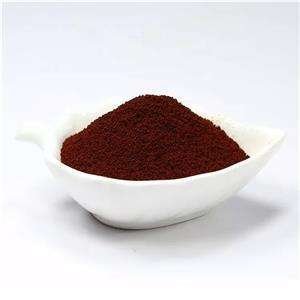
Chemical Name: Choline salicylate
CAS No.: 2016-36-6
Molecular Formula: C12H19NO4
Molecular Weight: 241.28
Appearance: Red-Brown Crystal
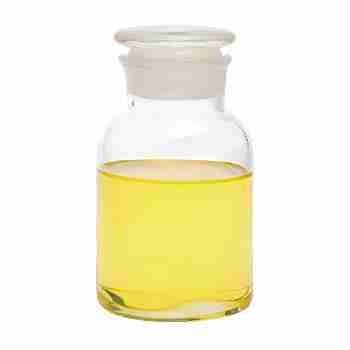
Chemical Name: Sunflower oil
Synonyms: Organic Sunflower Oil; Helianthus annuus oil
CAS No.: 8001-21-6
Appearance:?Yellow Liquid
Assay: ??99.0%
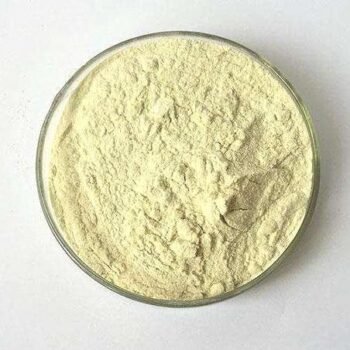
Chemical Name: o-Xylene
Synonyms: 1,2-Dimethylbenzene; ortho-xylene
CAS No.: 95-47-6
Molecular Formula: C8H10
Molecular Weight: 106.17
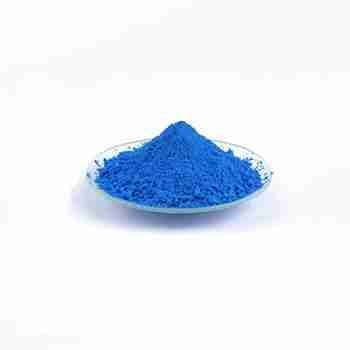
Chemical Name: COPPER (II) GLUCONATE, MIN. 98
CAS No.: 13005-35-1
Molecular Fomula: C12H22CuO14
Molecular weight: 453.84068
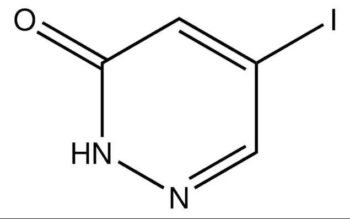
Common English name: 5-iodo-2,3-dihydropyridazin-3-one
CAS No.: 825633-94-1
Molecular formula: C4H3IN2O
Molecular weight: 221.98
Sample: Available
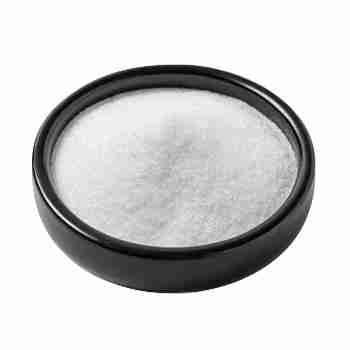
Chemical Name: LACTITOL
CAS No.: 585-86-4
Molecular Fomula: C12H24O11
Molecular weight:?344.31
Appearance:?White crystalline powder
Assay: 98.0%-101.0%

Chemical Name: Potassium Castorate
CAS No.: 8013-05-6
Molecular Formula: C57H107K3O12
Molecular Weight: 1101.74718
Appearance: Yellow Liquid
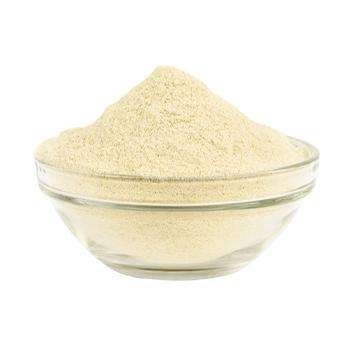
Chemical Name: Arabic gum
CAS No.: 9000-01-5
Appearance: powder
Citric acid is a white, crystalline, weak organic acid present in most plants and many animals as an intermediate in cellular respiration. Citric acid contains three carboxyl groups making it a carboxylic, more specifically a tricarboxylic, acid.the name citrus originates from the Greek kedromelon meaning apple of melon for the fruit citron. Greek works mention kitron, kitrion, or kitreos for citron fruit, which is an oblong fruit several inches long from the scrublike tree Citrus medica. Lemons and limes have high citric acid content, which may account for up to 8% of the fruit’s dry weight.
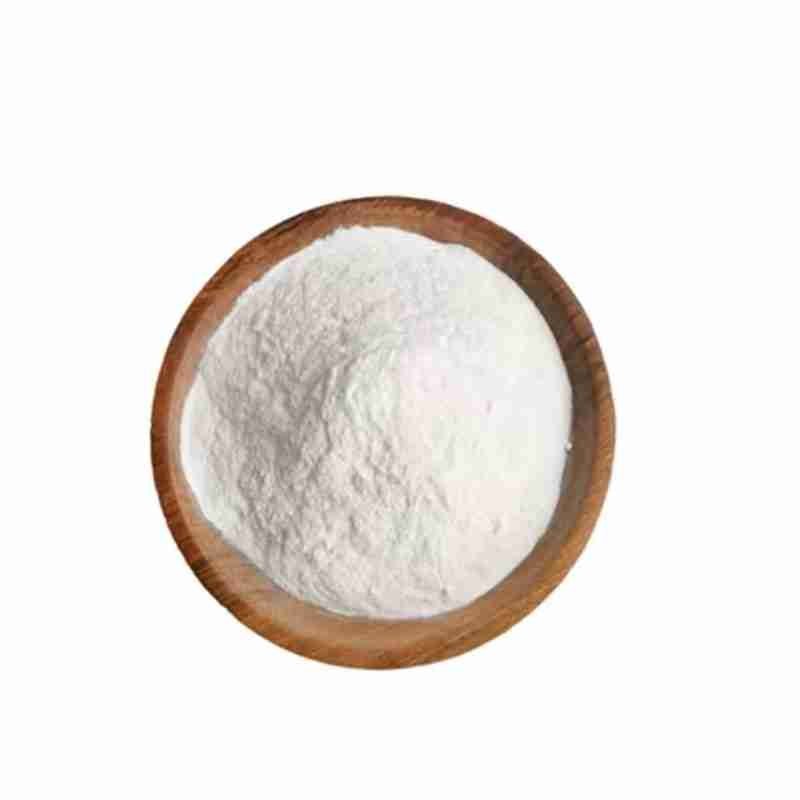
Microcrystalline cellulose is a purified, partially depolymerized cellulose that occurs as a white, odorless, tasteless, crystalline powder composed of porous particles. It is commercially available in different particle sizes and moisture grades that have different properties and applications.
Microcrystalline cellulose and carboxymethylcellulose sodium occurs as a white or off-white odorless and tasteless hygroscopic powder containing 5?C22% sodium carboxymethylcellulose. It is a water-dispersible organic hydrocolloid.



Reviews
There are no reviews yet.