

Copper(II) sulfate CAS#7758-98-7


Copper(II) sulfate, with the chemical formula CuSO4, is a blue crystalline compound that is soluble in water. It is commonly used in agriculture as a fungicide and in the textile industry as a dye fixative. Copper(II) sulfate is also utilized in the manufacture of pigments, batteries, and as an algaecide in water treatment. Its distinctive blue color and reactivity make it a versatile chemical in various industrial applications, including chemical analysis and electroplating.
Copper(II) sulfate CAS#7758-98-7
| Copper(II) sulfate Chemical Properties |
| Melting point | 200???C (dec.)(lit.) |
| density | 3.603?g/mL?at 25???C(lit.) |
| vapor pressure | 7.3 mm Hg ( 25 ??C) |
| storage temp. | Store at +5??C to +30??C. |
| solubility | H2O: soluble |
| form | powder |
| color | Slightly greenish to gray |
| Specific Gravity | 3.603 |
| PH Range | 3.7 – 4.5 |
| PH | 3.5-4.5 (50g/l, H2O, 20??) |
| Odor | odorless |
| Water Solubility | 203 g/L (20 oC) |
| Sensitive | Hygroscopic |
| Merck | 14,2653 |
| Exposure limits | ACGIH: TWA 1 mg/m3 NIOSH: IDLH 100 mg/m3; TWA 1 mg/m3 |
| Dielectric constant | 10.3??0.0?棩 |
| Stability: | hygroscopic |
| InChIKey | ARUVKPQLZAKDPS-UHFFFAOYSA-L |
| CAS DataBase Reference | 7758-98-7(CAS DataBase Reference) |
| NIST Chemistry Reference | Cupric sulfate(7758-98-7) |
| EPA Substance Registry System | Cupric sulfate (7758-98-7) |
| Safety Information |
| Hazard Codes | Xn,N,Xi |
| Risk Statements | 36/38-50/53-22-51/53-36/37/38 |
| Safety Statements | 24/25-36-60-61-22-26 |
| RIDADR | UN 3288 6.1/PG 3 |
| WGK Germany | 2 |
| RTECS | GL8800000 |
| F | 3 |
| TSCA | Yes |
| HS Code | 2833 25 00 |
| HazardClass | 6.1 |
| PackingGroup | III |
| Hazardous Substances Data | 7758-98-7(Hazardous Substances Data) |
| Toxicity | LD50 orally in Rabbit: 481 mg/kg |
Related Products
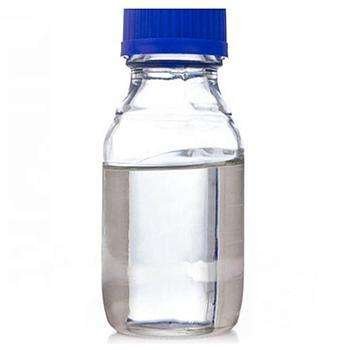
Chemical Name: STODDARD SOLVENT
CAS No.: 64742-88-7
Appearance: Colorless or Light Yellow Liquid

Aluminum chlorohydrate is an inorganic compound often used as a coagulant in water treatment processes. It is also known for its astringent properties and is utilized in various personal care products, such as antiperspirants and deodorants, due to its ability to temporarily close sweat glands. It enhances the viscosity and stability of formulations, making it a valuable ingredient in cosmetics and pharmaceuticals.

Bentonite, sodium-activated, is a type of clay rich in montmorillonite minerals, which undergoes a process to increase its sodium content. This alteration enhances its swelling and adsorptive properties, making it a highly effective thickener and gel-forming agent. Sodium bentonite is widely used in drilling muds, foundry sands, and as a binder in various industrial applications. Its ability to absorb liquids and form stable gels makes it invaluable in cosmetics, agriculture, and as a component in the manufacturing of ceramics and paper products.

Calcium carbonate, with the chemical formula CaCO3, is an inorganic compound found in nature as calcite, aragonite, and vaterite. It is a white solid that is insoluble in water but soluble in acid. Widely used as a filler and coating pigment in paper and plastics, calcium carbonate also serves as a primary ingredient in the production of cement and lime. Known for its high purity and chemical stability, it is utilized in pharmaceuticals, food additives, and as a dietary calcium supplement. Its versatility makes it an essential component in various industrial applications.

Sodium aluminosilicate (CAS No.73987-94-7) is an inorganic compound.
It has a certain application in industry. For example, in the ceramic industry, sodium aluminosilicate can be used as a flux and an ingredient in ceramic glazes, helping to improve the performance and appearance of ceramics.
In some chemical processes, it may also function as a precipitating agent or an additive.
In the field of materials science, the properties and structural characteristics of sodium aluminosilicate make it have potential application value in the research and development of some new materials.

Silicon dioxide, commonly known as silica, is a naturally occurring compound found in quartz and sand. It is a primary component of most rocks and is widely used in various industries due to its high thermal stability, chemical inertness, and optical clarity. In chemical applications, it is valued for its abrasive, refractory, and adsorptive properties, making it essential in products like glass, ceramics, and electronics.
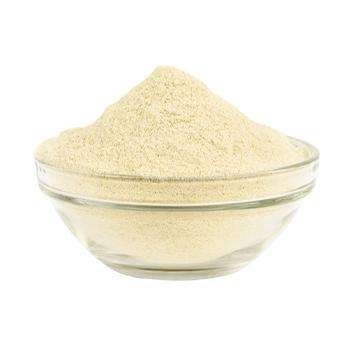
Chemical Name: Arabic gum
CAS No.: 9000-01-5
Appearance: powder

Water glass is an aqueous solution of silicate, which is as crystal clear as glass but as fluid as water. It is a soluble alkali metal silicate material composed of a combination of alkali metal oxides and silica.
Water glass plays an important role in industry, agriculture, technology and other fields. As a binder, water glass has occupied a place in the industrial field since its inception. It can be used to block the sewage leaked from the Fukushima nuclear power plant, or to repair cracks in brick walls; it also has anti-corrosion and acid resistance properties. , is an important material for acid-resistant floors and acid-resistant pools in industrial buildings; painting concrete pavements with water glass can also increase the frost resistance and water resistance of the pavement.
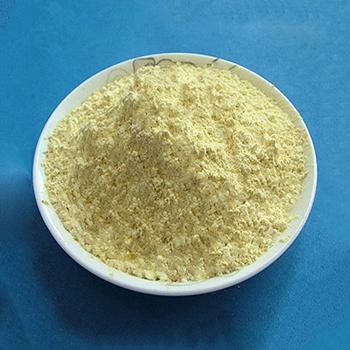
Product name:HYDROXYPROPYL GUAR HYDROXYPROPYLTRIMONIUM CHLORIDE
Purity:99%
Appearance:Light Yellow Powder
Package:Customized according to customer needs.
Sample:Available
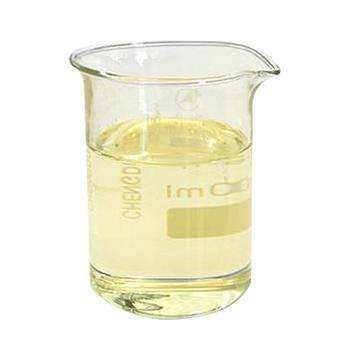
Chemical Name: Potassium Castorate
CAS No.: 8013-05-6
Molecular Formula: C57H107K3O12
Molecular Weight: 1101.74718
Appearance: Yellow Liquid
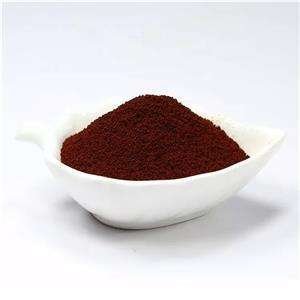
Chemical Name: Choline salicylate
CAS No.: 2016-36-6
Molecular Formula: C12H19NO4
Molecular Weight: 241.28
Appearance: Red-Brown Crystal
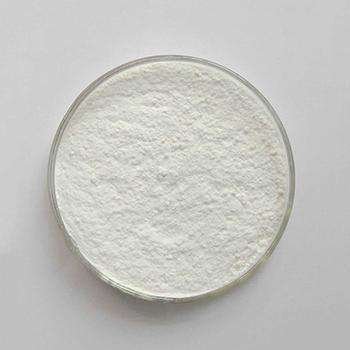
Chemical Name: Zinc citrate
Synonyms: Zinc citrate trihydrate
CAS No.: 546-46-3
Molecular Formula: C6H8O7Zn
Molecular Weight: 257.5
Appearance: White powder


