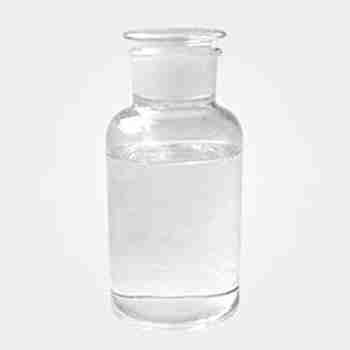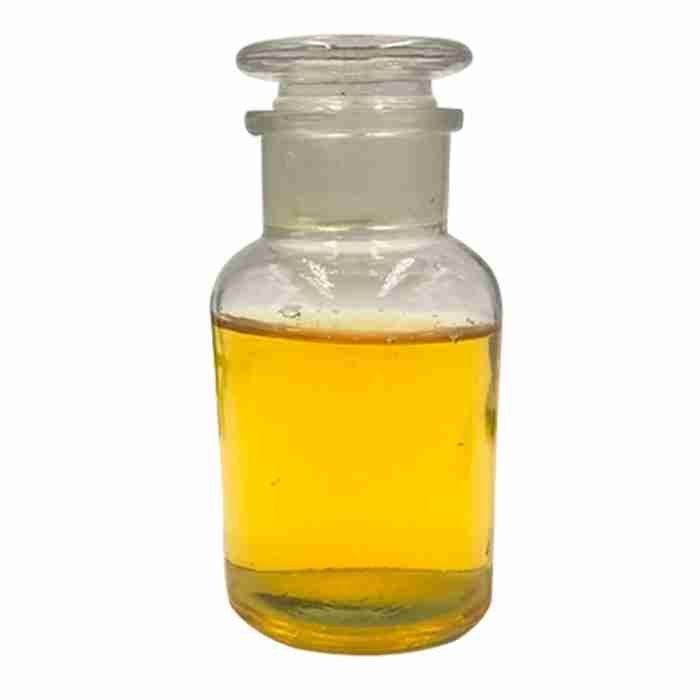
Coconut diethanolamide CAS# 68603-42-9

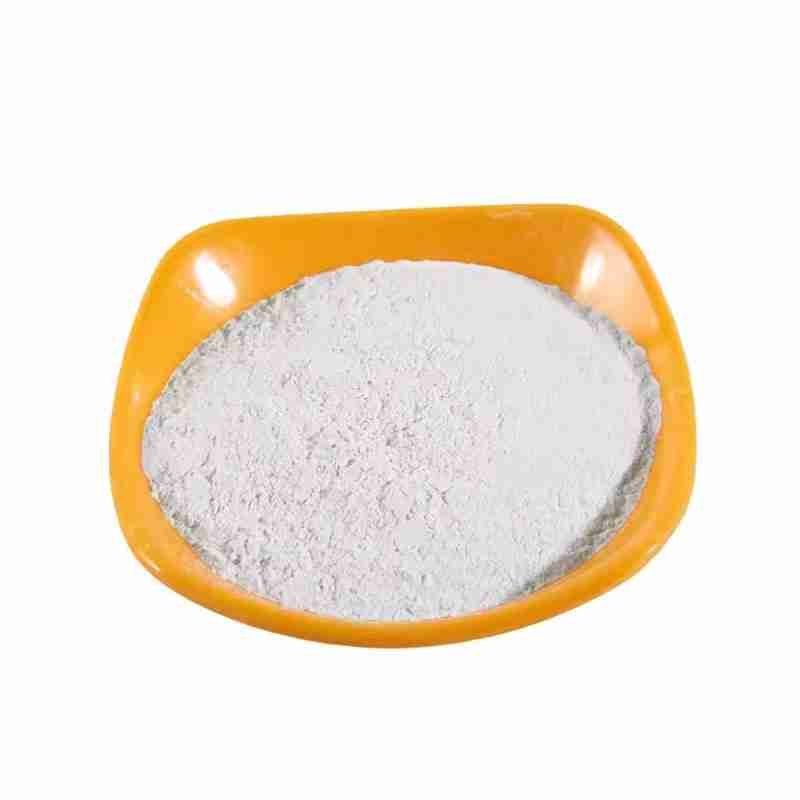
Coconut diethanolamide has the properties of wetting, washing, emulsifying, softening, etc. It has good foam stabilising effect on anionic surfactants. It is an indispensable raw material for a variety of cosmetic products such as liquid detergents, liquid soaps, shampoos, cleansers and cleansers. When used with soap, it is resistant to hard water.
It can also be used as an emulsifying stabiliser for cream products, and is widely used in shoe polish, printing inks, drawing supplies and so on.It is used in the textile printing and dyeing industry as a detergent for fabrics, as well as other detergent ingredients and thickeners.It is one of the components of spinning oil for synthetic fibres such as polypropylene. It has a good thickening effect on liquid products using anionic surfactants as the main raw material.
Coconut diethanolamide CAS# 68603-42-9
| Coconut diethanolamide Basic information |
| Product Name: | Coconut diethanolamide |
| Synonyms: | amides,coco,n,n-bis(2-hydroxyethyl);Amides,coco,N,N-bis(hydroxyethyl);clindrol200cgn;clindrol202cgn;clindrolsuperamide100cg;Coconutacid,diethanolamide;N,N-Bis(hydroxyethyl)coco amides;n,n-bis(hydroxyethyl)coco fatty amides |
| CAS: | 68603-42-9 |
| MF: | no |
| MW: | 0 |
| EINECS: | 271-657-0 |
| Product Categories: | Hair Care;Home Care;Skin Care;6501;68603-42-9 |
| Mol File: | Mol File |
| Coconut diethanolamide Chemical Properties |
| Boiling point | 168-274??C |
| Odor | at 100.00?%. mild ammonia |
| Water Solubility | 5-10 g/100 mL at 18 oC |
| Stability: | Stable. Combustible. Incompatible with strong oxidizing agents. |
| IARC | 2B (Vol. 101) 2013 |
| EPA Substance Registry System | Cocamides diethanolamines (68603-42-9) |
| Safety Information |
| Hazardous Substances Data | 68603-42-9(Hazardous Substances Data) |
Related Products
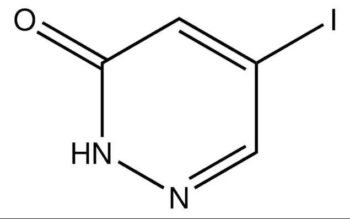
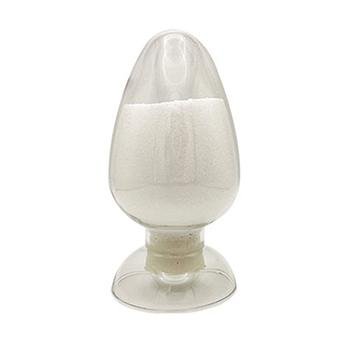
Common English name: 5-iodo-2,3-dihydropyridazin-3-one
CAS No.: 825633-94-1
Molecular formula: C4H3IN2O
Molecular weight: 221.98
Sample: Available
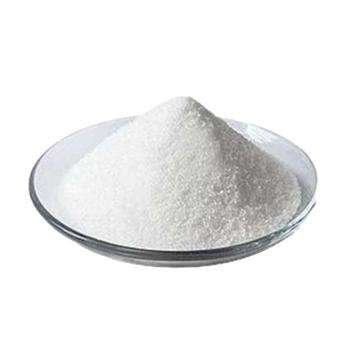
Chemical Name: Imazalil Sulfate
CAS No.: 58594-72-2
Molecular Formula: C14H14Cl2N2O.H2SO4
Molecular Weight: 395.26
Appearance: Solid
Chemical Name: 3-Hydroxybutyric acid
CAS No.: 625-71-8
Molecular Formula: C4H8O3
Molecular Weight: 104.1
Appearance: White powder

Decyl Glucoside is an eco-friendly, non-ionic surfactant derived from renewable resources. Renowned for its mildness and biodegradability, it is ideal for creating gentle, high-performing cleaning agents in personal care and household products. Its sustainable and effective nature makes it a preferred choice for green formulations.
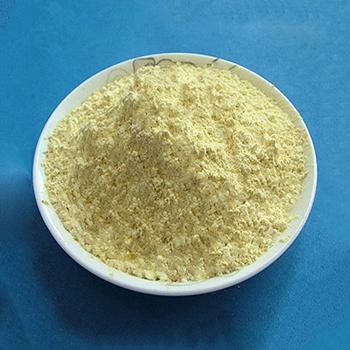
Product name:HYDROXYPROPYL GUAR HYDROXYPROPYLTRIMONIUM CHLORIDE
Purity:99%
Appearance:Light Yellow Powder
Package:Customized according to customer needs.
Sample:Available
Hexyl D-glucoside is a non-ionic, plant-based surfactant derived from renewable resources such as corn or potato starch. It is recognized for its excellent skin compatibility and mildness, making it a preferred choice for formulations in personal care products, especially those targeting sensitive skin. With its superior solubilizing and foaming capabilities, it enhances the sensory experience of the product without compromising its gentleness. Its eco-friendly profile and biodegradability also align with green chemistry principles, appealing to consumers seeking sustainable product options.
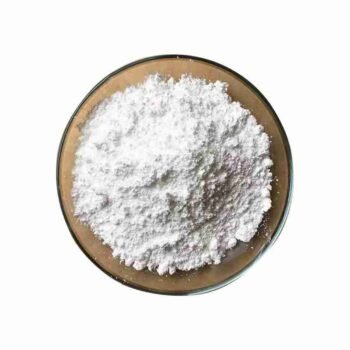
Sodium Ethyl 2-Sulfolaurate is a surfactant with a unique combination of properties. It is an anionic compound, derived from the sulfonation of ethyl laurate, which is then neutralized with sodium hydroxide. This results in a product that is highly effective in lowering the surface tension of water, making it an excellent wetting agent and emulsifier. It is commonly used in personal care products, detergents, and industrial applications for its foaming and dispersing capabilities. As a mild and biodegradable ingredient, it is favored for its environmental and skin-friendly attributes, ensuring safety and performance in a variety of formulations.
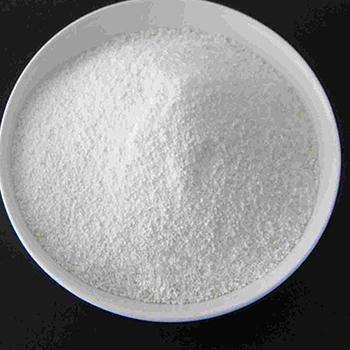
Chemical Name: Dehydrocholic acid
Synonyms: Acide dehydrocholique; Triketocholanic acid
CAS No.: 81-23-2
Molecular Formula: C24H34O5
Molecular Weight: 402.53
Appearance: Powder

Decyl glucoside, scientifically known as ??-D-Glucopyranoside, is a non-ionic surfactant derived from renewable resources, such as glucose and fatty alcohols. It is a biodegradable and mild alternative to traditional surfactants, making it a preferred choice for eco-friendly and sensitive skin formulations.
This compound is characterized by its ability to form stable emulsions and foams, which are essential properties in a variety of applications, including personal care products and household cleaning agents. Decyl glucoside is valued for its low irritation potential and excellent skin compatibility, making it suitable for use in baby care and cosmetic products.
Chemically, decyl glucoside features a hydrophilic head and a hydrophobic tail, allowing it to effectively reduce surface tension and solubilize oils in water. Its mildness and biodegradability contribute to its use in formulations that require gentle cleansing without compromising the integrity of the skin’s natural barrier.
In summary, decyl glucoside is a versatile and sustainable surfactant that offers a balance of performance and safety. Its eco-friendly profile and compatibility with sensitive skin types make it an ideal ingredient for a wide range of personal care and cleaning products.
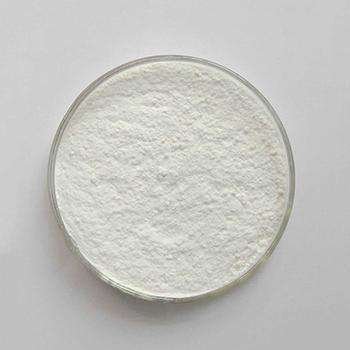
Chemical Name: Zinc citrate
Synonyms: Zinc citrate trihydrate
CAS No.: 546-46-3
Molecular Formula: C6H8O7Zn
Molecular Weight: 257.5
Appearance: White powder
Decyl Glucoside is an eco-friendly, non-ionic surfactant derived from renewable resources. Renowned for its mildness and biodegradability, it is ideal for creating gentle, high-performing cleaning agents in personal care and household products. Its sustainable and effective nature makes it a preferred choice for green formulations.
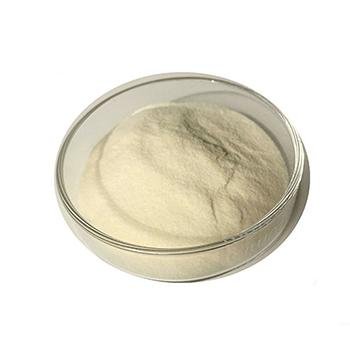
Chemical Name: Quercetin-3-O-sophoroside
CAS No.: 18609-17-1
Molecular Formula: C27H30O17
Molecular Weight: 626.52