

Coconut oil monoethanolamide CAS# 68140-00-1
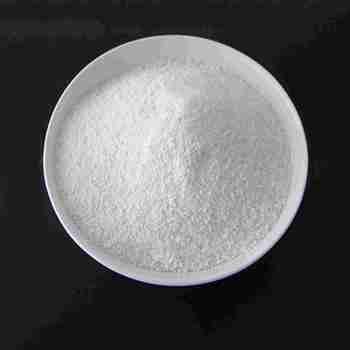
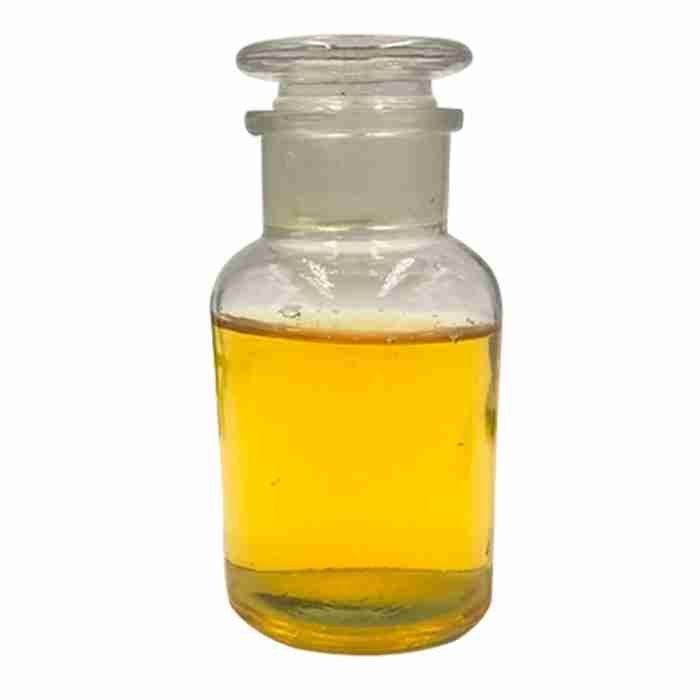
Coconut oil monoethanolamide (CAS 68140-00-1) is usually a white to light yellow flake or powder solid.
It has good thickening, foam stabilization, and decontamination properties. It is widely used in personal care and cleaning products such as detergents, shampoos, and shower gels.
For example, in some shampoo formulas, coconut oil monoethanolamide can increase the consistency of the product, making it easier for shampoo to adhere to the hair when used; in shower gels, it helps to produce rich, delicate and stable foam, enhancing the bathing experience.
Coconut oil monoethanolamide CAS# 68140-00-1
| Coconut oil monoethanolamide Basic information |
| Product Name: | Coconut oil monoethanolamide |
| Synonyms: | N-(Hydroxyethyl)amide coconut;coconut oil monoethanolamide;Coconut acid monoethanolamide (Detergent 6501;Coco fatty acid monoethanolamide;Amide, Kokos-, N-(Hydroxyethyl);CL237;Cocoyl Monoethanolamide;Net lotion, 6501 |
| CAS: | 68140-00-1 |
| MF: | C14H29NO2 |
| MW: | 0 |
| EINECS: | 268-770-2 |
| Product Categories: | Hair Care;Home Care;Skin Care |
| Mol File: | Mol File |
| Coconut oil monoethanolamide Chemical Properties |
| Melting point | 65 – 67oC |
| storage temp. | -20??C Freezer, Under inert atmosphere |
| solubility | Chloroform (Slightly), DMSO (Slightly), Methanol (Slightly) |
| form | Solid |
| color | White to Off-White |
| Odor | Bland |
| InChI | InChI=1S/C14H29NO2/c1-2-3-4-5-6-7-8-9-10-11-14(17)15-12-13-16/h16H,2-13H2,1H3,(H,15,17) |
| InChIKey | QZXSMBBFBXPQHI-UHFFFAOYSA-N |
| SMILES | C(NCCO)(=O)CCCCCCCCCCC |
| NIST Chemistry Reference | N-(2-hydroxyethyl)dodecanamide(68140-00-1) |
| EPA Substance Registry System | Coco ethanolamides (68140-00-1) |
| Safety Information |
| MSDS Information |
| Coconut oil monoethanolamide Usage And Synthesis |
| Uses | Coconut Oil Monoethanolamide can be used for cosmetic cleansing compositions that are free of sodium chloride and sulfate-based surfactants. |
| Definition | ChEBI: N-(dodecanoyl)ethanolamine is an N-(long-chain-acyl)ethanolamine resulting from the formal condensation of the carboxy group of dodecanoic acid (myristic acid) with the amino group of ethanolamine. It is a N-(long-chain-acyl)ethanolamine and a N-(saturated fatty acyl)ethanolamine. It is functionally related to a dodecanoic acid. |
Related Products

Chemical Name: 1,1,2,2-Tetrachloroethane
Other Name: Tetrachlorethane
CAS No.: 79-34-5
Molecular Formula: C2H2Cl4
Molecular Weight: 167.85
Appearance: Liquid

Chemical Name: 3-Hydroxybutyric acid
CAS No.: 625-71-8
Molecular Formula: C4H8O3
Molecular Weight: 104.1
Appearance: White powder

Decyl glucoside, scientifically known as ??-D-Glucopyranoside, is a non-ionic surfactant derived from renewable resources, such as glucose and fatty alcohols. It is a biodegradable and mild alternative to traditional surfactants, making it a preferred choice for eco-friendly and sensitive skin formulations.
This compound is characterized by its ability to form stable emulsions and foams, which are essential properties in a variety of applications, including personal care products and household cleaning agents. Decyl glucoside is valued for its low irritation potential and excellent skin compatibility, making it suitable for use in baby care and cosmetic products.
Chemically, decyl glucoside features a hydrophilic head and a hydrophobic tail, allowing it to effectively reduce surface tension and solubilize oils in water. Its mildness and biodegradability contribute to its use in formulations that require gentle cleansing without compromising the integrity of the skin’s natural barrier.
In summary, decyl glucoside is a versatile and sustainable surfactant that offers a balance of performance and safety. Its eco-friendly profile and compatibility with sensitive skin types make it an ideal ingredient for a wide range of personal care and cleaning products.

Product name:HYDROXYPROPYL GUAR HYDROXYPROPYLTRIMONIUM CHLORIDE
Purity:99%
Appearance:Light Yellow Powder
Package:Customized according to customer needs.
Sample:Available

Chemical Name: UV-120
Other Name: (2’,4’-Di-tert-butylphenyl 3,5-di-tert-butyl-4-hydroxybenzoate)
CAS No.: 4221-80-1
Molecular Fomula: C29H42O3
Molecular weight: 438.66
Assay: ≥99%(LC)

Common English name: 5-iodo-2,3-dihydropyridazin-3-one
CAS No.: 825633-94-1
Molecular formula: C4H3IN2O
Molecular weight: 221.98
Sample: Available
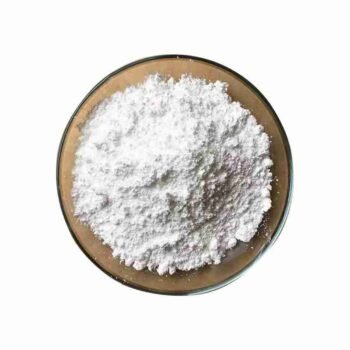
Coconut Oil Monoethanolamide is a high-performance emulsifier derived from natural coconut oil. It is a key component in personal care and cosmetic formulations, providing excellent emulsifying properties and improving product texture. With its natural origin and superior performance, it is the preferred choice for creating stable and high-quality products.

Lauramidopropyl betaine is a mild, biodegradable surfactant commonly used in personal care products and cleaning formulations. It is derived from coconut oil and is known for its foaming and wetting properties, making it ideal for creating rich lathers. This ingredient is particularly favored for its gentleness on the skin and its ability to cleanse without causing irritation, making it suitable for sensitive skin types. It also contributes to the product’s viscosity and stability.
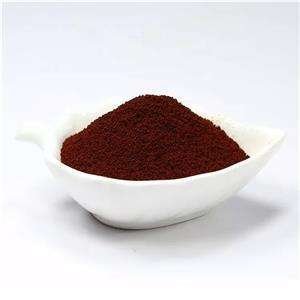
Chemical Name: Choline salicylate
CAS No.: 2016-36-6
Molecular Formula: C12H19NO4
Molecular Weight: 241.28
Appearance: Red-Brown Crystal

Product name:Cyclopentane
Purity:96%
Appearance:White powder
Package:25kg/bag
Sample:Available

Chemical Name: Potassium Castorate
CAS No.: 8013-05-6
Molecular Formula: C57H107K3O12
Molecular Weight: 1101.74718
Appearance: Yellow Liquid

Chemical Name: Imazalil Sulfate
CAS No.: 58594-72-2
Molecular Formula: C14H14Cl2N2O.H2SO4
Molecular Weight: 395.26
Appearance: Solid


