
Description
Cobalt Acetate Details
Chemical Name: Cobalt Acetate
CAS No.: 71-48-7
Molecular Formula: C4H6CoO4
Molecular Weight: 177.02
Molecular?Structure:
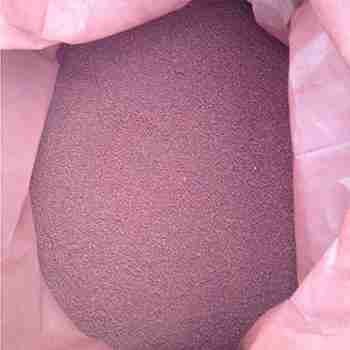
Appearance: Purplish red crystal
Cobalt Acetate Typical analytical properties
Item
Index value(%)
Appearance
Purplish red crystal
Assay
??98%
Insoluble Matter
??0.02%
Chloride(Cl)
??0.002%
Sulphate(SO4)
??0.01%
Nitrate(NO3)
??0.03%
Iron(Fe)
??0.02%
Nickel(Ni)
??0.08%
Copper(Cu)
0.001%
Cobalt Acetate Application
Used as oxidant and paint drier, printing and dyeing mordant, glass fiber reinforced plastic curing accelerator, etc.
Cobalt Acetate Packaging
25 kg/bag
Cobalt Acetate Storage
Store in a cool and ventilated place, avoid light, and keep sealed
Related Products

Chemical Name: Zinc citrate
Synonyms: Zinc citrate trihydrate
CAS No.: 546-46-3
Molecular Formula: C6H8O7Zn
Molecular Weight: 257.5
Appearance: White powder
Chemical Name: 3-Hydroxybutyric acid
CAS No.: 625-71-8
Molecular Formula: C4H8O3
Molecular Weight: 104.1
Appearance: White powder

Chemical Name: 1,1,2,2-Tetrachloroethane
Other Name: Tetrachlorethane
CAS No.: 79-34-5
Molecular Formula: C2H2Cl4
Molecular Weight: 167.85
Appearance: Liquid

Ethylhexyl Palmitate is a skin-conditioning ester, derived from ethylhexanol and palmitic acid, that imparts moisturization and a smooth texture to cosmetic and personal care formulations. It is valued for its emollient properties, enhancing the sensory experience of skin care products.
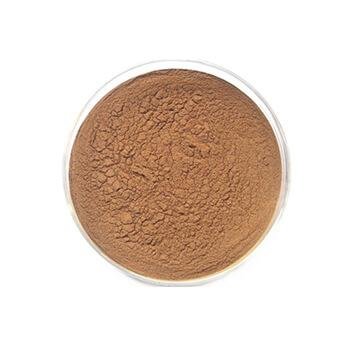
Chemical Name: Ashwagandha Extract
Synonyms: Withania somnifera, ext.; Withania Somnefera Extract
CAS: 90147-43-6
Appearance: Brown

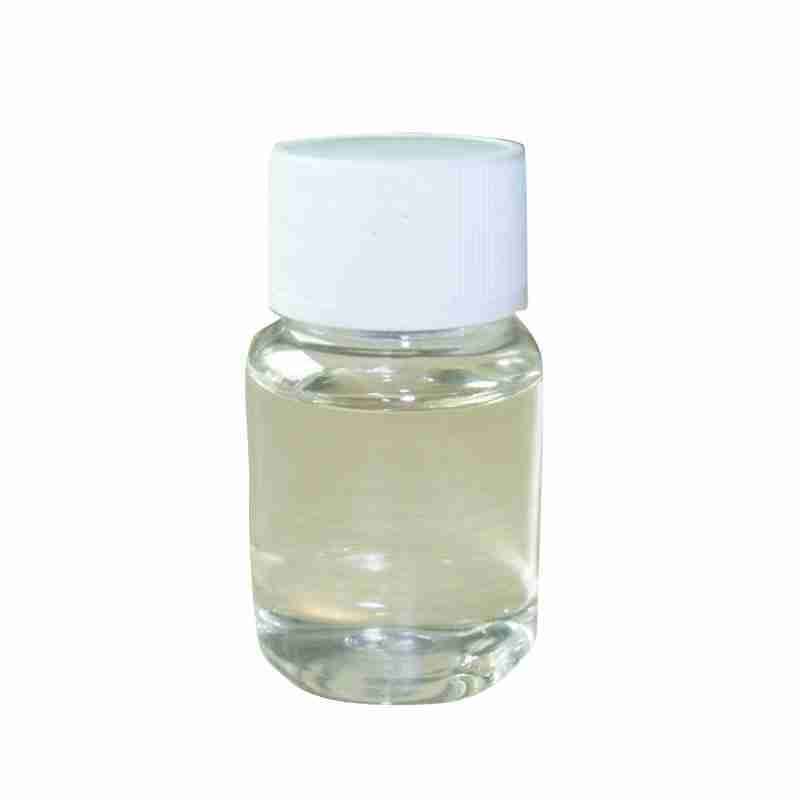
Chemical Name: Potassium Castorate
CAS No.: 8013-05-6
Molecular Formula: C57H107K3O12
Molecular Weight: 1101.74718
Appearance: Yellow Liquid
3,4-Ethylenedioxythiophene is a synthetic organic compound characterized by its unique structure that includes a thiophene ring with ethylenedioxy substituents at the 3 and 4 positions. This compound is known for its potential applications in the synthesis of various organic materials, including pharmaceuticals and organic electronic devices such as sensors and solar cells. Its stability and reactivity make it a versatile intermediate in the chemical industry.

Product name:HYDROXYPROPYL GUAR HYDROXYPROPYLTRIMONIUM CHLORIDE
Purity:99%
Appearance:Light Yellow Powder
Package:Customized according to customer needs.
Sample:Available

Terpene resin is a type of natural resin derived from terpenes, which are organic compounds found in various plants. It is known for its aromatic properties and is commonly used in the production of fragrances, flavorings, and as a component in adhesives and coatings within the chemical industry. Terpene resin offers a range of benefits, including enhancing the solubility of essential oils and providing a stable base for various applications. Its natural origin makes it a preferred choice for eco-friendly products.

Chemical Name: Quercetin-3-O-sophoroside
CAS No.: 18609-17-1
Molecular Formula: C27H30O17
Molecular Weight: 626.52

Common English name: 5-iodo-2,3-dihydropyridazin-3-one
CAS No.: 825633-94-1
Molecular formula: C4H3IN2O
Molecular weight: 221.98
Sample: Available

Succinimide is a heterocyclic organic compound and an important industrial chemical. It serves as a key intermediate in the synthesis of various pharmaceuticals, agrochemicals, and other specialty chemicals. Known for its reactivity and versatility, succinimide is widely used in the production of succinic anhydride, a precursor to many polymers and plasticizers, highlighting its significance in the chemical industry.



Reviews
There are no reviews yet.