

Chlorhexidine gluconate CAS 18472-51-0
Appearance: Colorless liquid
Purity: 20% solution
Capacity: 2000MT per year
Packaging: 25 kg liquid bucket; 200 kg plastic drums; 1000kg IBC drums
Sample: Available
Description
Chlorhexidine gluconate Quick Details
Chemical Name: Chlorhexidine gluconate
CAS No.: 18472-51-0
MF: C34H54Cl2N10O14
MW: 897.76
Appearance: Colorless liquid
Purity: 20% solution
Typical Properties
Tests
Standard
Results
Appearance
Clear,colorless liquid
Clear,colorless liquid
Assay
19.0-21.0%
20.05%
p-Chloroaniline
complies
complies
PH
5.5-7.0
6.1
Residue on ignition
??0.1%
0.024%
Density
1.06-1.07
1.065
Conclusion
Complies
Usage
Chlorhexidine gluconate is a disinfectant antiseptic, has a strong broad-spectrum antibacterial and bactericidal effect, and is effective against both Gram-positive and Gram-negative bacteria. Disinfect the hands and skin, and rinse the wound. Such as to make soap, disinfectant and hand sanitizer, etc.
Packaging
25 kg liquid bucket
200 kg plastic drums
1000kg IBC drums
Related Products

N,N-Dimethylaniline is an organic compound with amine and methyl groups attached to a benzene ring. It is a colorless liquid with a characteristic amine odor. This compound is primarily used as a chemical intermediate in the synthesis of dyes, pigments, and polymers. Its reactivity makes it a valuable building block in the production of various organic compounds, particularly in the pharmaceutical and chemical industries.
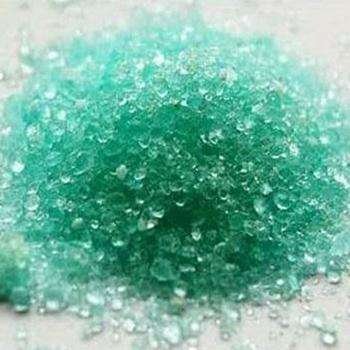
Chemical Name: Ammonium Iron(II) Sulfate
Synonyms: Diammonium iron bis(sulphate); iron (ii) ammonium sulfate
CAS No.: 10045-89-3
Molecular Formula: FeH5NO4S
Molecular Weight: 170.95
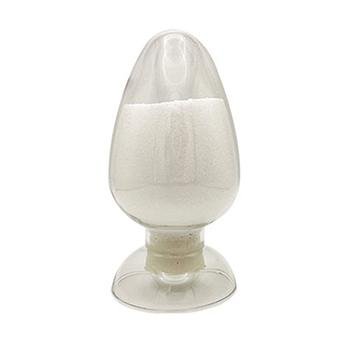
Chemical Name: Imazalil Sulfate
CAS No.: 58594-72-2
Molecular Formula: C14H14Cl2N2O.H2SO4
Molecular Weight: 395.26
Appearance: Solid
POLY(VINYL CHLORIDE-CO-ISOBUTYL VINYL ETHER) is a copolymer that combines the properties of vinyl chloride and isobutyl vinyl ether. This polymer offers a balance of rigidity and flexibility, along with enhanced chemical resistance and durability. It is commonly used in the production of films, coatings, and adhesives due to its excellent barrier properties against gases and moisture, making it ideal for packaging and construction applications.
Succinimide is a heterocyclic organic compound and an important industrial chemical. It serves as a key intermediate in the synthesis of various pharmaceuticals, agrochemicals, and other specialty chemicals. Known for its reactivity and versatility, succinimide is widely used in the production of succinic anhydride, a precursor to many polymers and plasticizers, highlighting its significance in the chemical industry.
Chemical Name: Choline salicylate
CAS No.: 2016-36-6
Molecular Formula: C12H19NO4
Molecular Weight: 241.28
Appearance: Red-Brown Crystal


Octocrylene is an organic compound widely recognized for its potent UV-filtering properties, making it an essential ingredient in sunscreens and other skincare products designed to protect the skin from harmful ultraviolet radiation. With the chemical name 2-(4-Methylbenzyl)-2H-benzotriazole-5-methyl, octocrylene is a stable and photostable molecule that provides broad-spectrum protection against both UVA and UVB rays.
This oil-soluble chemical is valued for its ability to absorb UV radiation effectively, converting it into heat without causing skin irritation or staining clothes. Octocrylene is often used in combination with other UV filters to enhance the sun protection factor (SPF) of formulations, ensuring a balanced and comprehensive defense against sun damage.
As a lipophilic compound, octocrylene is compatible with various cosmetic and dermatological formulations, contributing to the development of lightweight, non-greasy sunscreens. Its chemical structure allows for a high degree of safety and efficacy, making it suitable for a wide range of skin types, including sensitive skin.
In summary, octocrylene is a reliable and efficient UV filter, pivotal in the formulation of modern sunscreens that offer advanced protection against the sun’s harmful effects while maintaining skin comfort and product aesthetics.
Chemical Name: Quercetin-3-O-sophoroside
CAS No.: 18609-17-1
Molecular Formula: C27H30O17
Molecular Weight: 626.52
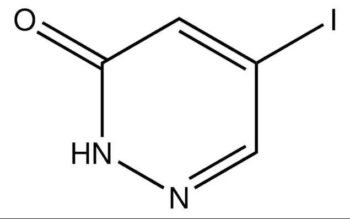
Common English name: 5-iodo-2,3-dihydropyridazin-3-one
CAS No.: 825633-94-1
Molecular formula: C4H3IN2O
Molecular weight: 221.98
Sample: Available
Chemical Name: 3-Hydroxybutyric acid
CAS No.: 625-71-8
Molecular Formula: C4H8O3
Molecular Weight: 104.1
Appearance: White powder
Silicone oil, known for its chemical designation as dimethicone or polydimethylsiloxane, is a synthetic polymer with a backbone of alternating silicon and oxygen atoms, creating a highly versatile and stable compound. It is renowned for its exceptional lubricating properties, heat resistance, and non-toxic nature, making it a staple in various industries, including cosmetics, automotive, and aerospace.
This hydrophobic, non-volatile oil is valued for its ability to provide a smooth, non-greasy feel and to form stable emulsions with other ingredients. In personal care products, silicone oil is used to impart a silky texture, reduce friction on the skin, and create a protective barrier against environmental stressors without clogging pores.
Silicone oil’s chemical inertness and resistance to oxidation contribute to its long shelf life and stability in formulations. It is also appreciated for its compatibility with a wide range of substances, allowing for the creation of multifunctional products.
In summary, silicone oil is a reliable and multifaceted ingredient, offering a combination of performance, safety, and sensory benefits. Its use in a variety of applications reflects its versatility and enduring appeal in the marketplace.
Chemical Name: UV-120
Other Name: (2’,4’-Di-tert-butylphenyl 3,5-di-tert-butyl-4-hydroxybenzoate)
CAS No.: 4221-80-1
Molecular Fomula: C29H42O3
Molecular weight: 438.66
Assay: ≥99%(LC)



Reviews
There are no reviews yet.