

Ceramide E CAS 110483-07-3
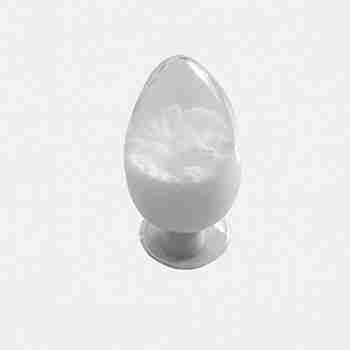

Chemical Name: Ceramide E
Synonyms: Sphingolipid E/Cetyl-PG hydroxyethyl palmitamide/Hexadecanamide, N-3-(hexadecyloxy)-2-hydroxypropyl-N-(2-hydroxyethyl)-
CAS No.: 110483-07-3
Purity: 99%
Grade: Cosmetic Grade
Appearance: White powder
related documents:
COA of Ceramide E CAS 110483-07-3
Request for product documents
Description
Ceramide E CAS 110483-07-3 Quick Details
Chemical Name:Ceramide E
Synonyms:Cetyl-PG hydroxyethyl palmitamide/Hexadecanamide, N-3-(hexadecyloxy)-2-hydroxypropyl-N-(2-hydroxyethyl)-/Sphingolipid E
CAS No.: 110483-07-3
Molecular Fomula:C37H75NO4
Chemical Structure:
Synthetic Routes??
Molecular weight: 598
Appearance: White powder
Ceramide E Properties
Item
Specifications
Results
Appearance
White to off-white powder
Conforms
Assay
99.0%~?101.0%
99.25%
Max?Single Impurity
???0.5%
0.33%
Water
???0.5%
0.?12%
Residue on?ignition
???0.?1%
0.05%
Melting point
76.0??~79.0??
77.4??
Microbial Limits
Total number of?colonies??CFU/g or CFU/mL????800
Conforms
Fungi and yeasts??CFU/g or CFU/mL????100
Conforms
Staphylococcus aureus /g or mL cannot be detected
N.D.
Thermostable coliform bacteria /g or mL should not?be detected
N.D
Pseudomonas aeruginosa /g?or mL
N.D
Heavy metals
Cd(mg/kg)??5
Conforms
Pb(mg/kg)??10
Conforms
As(mg/kg)??2
Conforms
Hg(mg/kg)??1
Conforms
Conclusion
The results conforms with Enterprise?standards
Ceramide E Application:
The role of Ceramide E on the skin:
Moisturizing effect: Ceramide E is the main component of the lipids in the stratum corneum of the skin, which can help repair the skin barrier and make the skin soft and shiny. However, as we age, Ceramide Egradually decreases, and the skin will become dull and dry without it.
Barrier effect: If there is enough Ceramide E in the skin, it can resist external stimulation, but if it is missing or absent, the skin will lose its natural protective function and will have no defense against all external physical, biological and other damage. For example, the skin is more likely to get sunburned when exposed to the sun, and it is easy to get red when the weather gets cold.
Anti-allergic effect: This is good news for children with thin skin. Ceramide E can help thicken the stratum corneum, improve the tolerance of the entire skin, protect against the invasion of harmful substances from the outside world, avoid sensitivity, and repair red bloodshot.
Ceramide E also has very good anti-aging, auxiliary whitening and antioxidant effects.
Ceramide E Packaging and Shipping
25kg/carton drum or according to clients?? demand
Ceramide E Storage
Keep in dark, place,Inert atmosphere, Room temperature
Related Products

Chemical Name: UV-120
Other Name: (2’,4’-Di-tert-butylphenyl 3,5-di-tert-butyl-4-hydroxybenzoate)
CAS No.: 4221-80-1
Molecular Fomula: C29H42O3
Molecular weight: 438.66
Assay: ≥99%(LC)

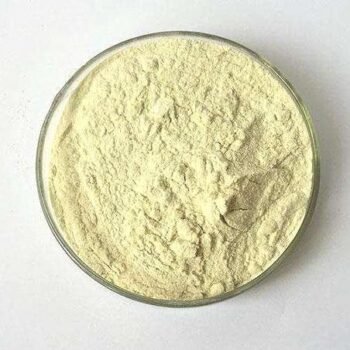
Product name:HYDROXYPROPYL GUAR HYDROXYPROPYLTRIMONIUM CHLORIDE
Purity:99%
Appearance:Light Yellow Powder
Package:Customized according to customer needs.
Sample:Available
3,4-Ethylenedioxythiophene is a synthetic organic compound characterized by its unique structure that includes a thiophene ring with ethylenedioxy substituents at the 3 and 4 positions. This compound is known for its potential applications in the synthesis of various organic materials, including pharmaceuticals and organic electronic devices such as sensors and solar cells. Its stability and reactivity make it a versatile intermediate in the chemical industry.

Chemical Name: 1,1,2,2-Tetrachloroethane
Other Name: Tetrachlorethane
CAS No.: 79-34-5
Molecular Formula: C2H2Cl4
Molecular Weight: 167.85
Appearance: Liquid

Ethylhexyl Palmitate is a skin-conditioning ester, derived from ethylhexanol and palmitic acid, that imparts moisturization and a smooth texture to cosmetic and personal care formulations. It is valued for its emollient properties, enhancing the sensory experience of skin care products.
Tetraacetylethylenediamine is a fully acetylated derivative of ethylenediamine, offering a high reactivity as an intermediate in organic synthesis. Its unique structure makes it a critical component in the production of specialty chemicals and pharmaceuticals, ensuring a wide range of applications in the chemical industry.
1-Octanol, also known as Capryl alcohol or n-Octanol, is a clear, colorless liquid with a characteristic waxy odor. It is an alcohol with eight carbon atoms in its chain, making it a part of the aliphatic alcohol family. This compound is poorly soluble in water but is miscible with ethanol, diethyl ether, and chloroform . It has a melting point of approximately -15??C and a boiling point of around 196??C . 1-Octanol is used in the production of esters, plasticizers, and as a solvent or intermediate in the synthesis of various organic compounds. It also finds application in the fragrance industry as a fixative in perfumes and can be used in the formulation of flavor and scent compositions . It is important to note that 1-Octanol is flammable and should be handled with care, storing it away from sources of ignition and heat .

Chemical Name: Imazalil Sulfate
CAS No.: 58594-72-2
Molecular Formula: C14H14Cl2N2O.H2SO4
Molecular Weight: 395.26
Appearance: Solid
Chemical Name: o-Xylene
Synonyms: 1,2-Dimethylbenzene; ortho-xylene
CAS No.: 95-47-6
Molecular Formula: C8H10
Molecular Weight: 106.17

Chemical Name: Dehydrocholic acid
Synonyms: Acide dehydrocholique; Triketocholanic acid
CAS No.: 81-23-2
Molecular Formula: C24H34O5
Molecular Weight: 402.53
Appearance: Powder


Octocrylene is an organic compound widely recognized for its potent UV-filtering properties, making it an essential ingredient in sunscreens and other skincare products designed to protect the skin from harmful ultraviolet radiation. With the chemical name 2-(4-Methylbenzyl)-2H-benzotriazole-5-methyl, octocrylene is a stable and photostable molecule that provides broad-spectrum protection against both UVA and UVB rays.
This oil-soluble chemical is valued for its ability to absorb UV radiation effectively, converting it into heat without causing skin irritation or staining clothes. Octocrylene is often used in combination with other UV filters to enhance the sun protection factor (SPF) of formulations, ensuring a balanced and comprehensive defense against sun damage.
As a lipophilic compound, octocrylene is compatible with various cosmetic and dermatological formulations, contributing to the development of lightweight, non-greasy sunscreens. Its chemical structure allows for a high degree of safety and efficacy, making it suitable for a wide range of skin types, including sensitive skin.
In summary, octocrylene is a reliable and efficient UV filter, pivotal in the formulation of modern sunscreens that offer advanced protection against the sun’s harmful effects while maintaining skin comfort and product aesthetics.

Terpene resin is a type of natural resin derived from terpenes, which are organic compounds found in various plants. It is known for its aromatic properties and is commonly used in the production of fragrances, flavorings, and as a component in adhesives and coatings within the chemical industry. Terpene resin offers a range of benefits, including enhancing the solubility of essential oils and providing a stable base for various applications. Its natural origin makes it a preferred choice for eco-friendly products.



Reviews
There are no reviews yet.