

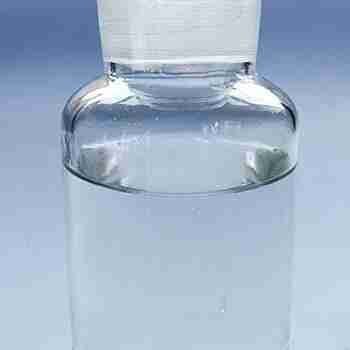
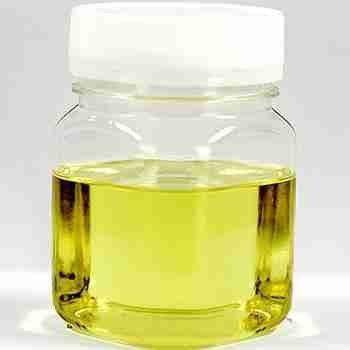
Description
Cedryl acetate Quick Details
Chemical Name:?Cedryl acetate
CAS No.: 77-54-3
Molecular Fomula: C17H28O2
Chemical Structure:
Molecular weight: 264.4
Appearance: Solid
Assay: 99%
Typical Properties
ITEMS
SPECIFICATION
Product name
Cedryl acetate
Appearance
Solid
?
Cedryl acetate application:
Used as raw material for daily chemical flavor
Packaging and Shipping?
customized according to customer needs.
Cedryl acetate Storage
It should be stored in a clean, dry and cool place, preventing from sunlight, rain.
Related Products
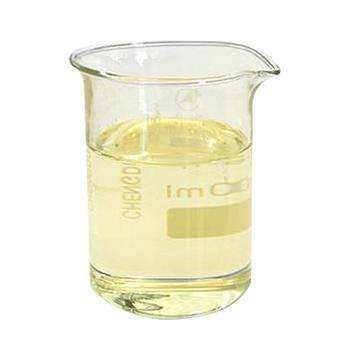
Chemical Name: Potassium Castorate
CAS No.: 8013-05-6
Molecular Formula: C57H107K3O12
Molecular Weight: 1101.74718
Appearance: Yellow Liquid
Chemical Name: o-Xylene
Synonyms: 1,2-Dimethylbenzene; ortho-xylene
CAS No.: 95-47-6
Molecular Formula: C8H10
Molecular Weight: 106.17

Cinnamic aldehyde is used as a flavoring agent, ingredient of fragrance in soft drinks, ice creams, dentifrices, pastries, chewing-gum, etc. It can induce both contact urticaria and delayed-type reactions. It can be implicated in contact dermatitis in those who work in the perfume industry or food handlers. Cinnamic aldehyde is contained in the “fragrance mix”.
Cinnamaldehyde is a pale yellow to yellow-green oily liquid with a strong pungent, spicy, cinnamon odor. It is generally insoluble in water and many organic solvents, but is miscible with alcohol and other flavoring oils. Exposure to air will cause thickening and oxidation.
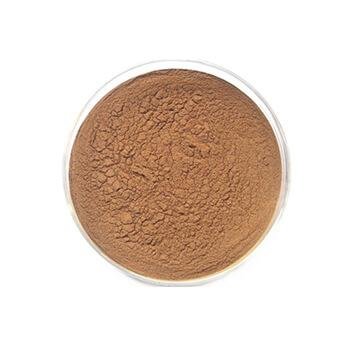
Chemical Name: Ashwagandha Extract
Synonyms: Withania somnifera, ext.; Withania Somnefera Extract
CAS: 90147-43-6
Appearance: Brown

Chemical Name: 1,1,2,2-Tetrachloroethane
Other Name: Tetrachlorethane
CAS No.: 79-34-5
Molecular Formula: C2H2Cl4
Molecular Weight: 167.85
Appearance: Liquid
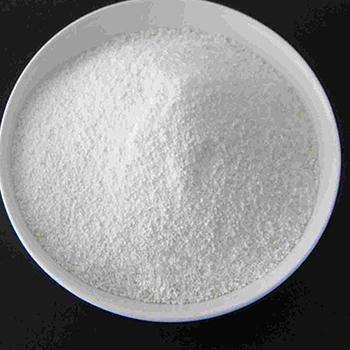
Chemical Name: Dehydrocholic acid
Synonyms: Acide dehydrocholique; Triketocholanic acid
CAS No.: 81-23-2
Molecular Formula: C24H34O5
Molecular Weight: 402.53
Appearance: Powder

Chemical Name: Ammonium Iron(II) Sulfate
Synonyms: Diammonium iron bis(sulphate); iron (ii) ammonium sulfate
CAS No.: 10045-89-3
Molecular Formula: FeH5NO4S
Molecular Weight: 170.95
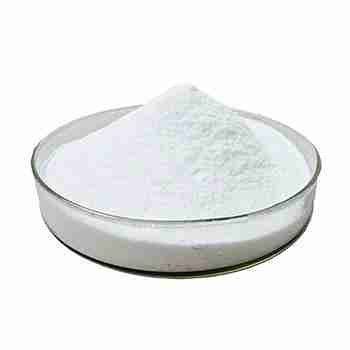
Chemical Name: (-)-Alpha-cedrene
Synonyms: levo-alpha-cedrene; ??-Cedrene
CAS No.:?469-61-4
Molecular Fomula:?C15H24
Molecular weight: 204.35
Appearance: White?powder
Assay????99.0%
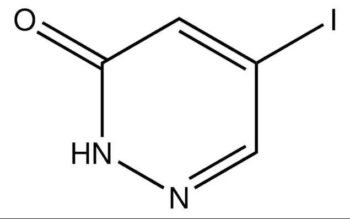
Common English name: 5-iodo-2,3-dihydropyridazin-3-one
CAS No.: 825633-94-1
Molecular formula: C4H3IN2O
Molecular weight: 221.98
Sample: Available
Chemical Name: z-3-decen-1-yl acetate
CAS No.: 81634-99-3
Molecular Fomula: C12H22O2
Molecular weight:?198.3
Appearance:?powder
As an organic compound, Cinnamyl alcohol has a very distinct sweet, spicy, hyacinth odour that is found in resins, balsams and cinnamon leaves. It is used commonly in the fragrance industry due to its distinctive odour, which can be applied as a deodorant, fragrance and additive in cosmetic products and in the formulation of bath products, body and hand products, such as soaps, toothpaste, deodorants, etc. Besides, it also finds application as a food additive in chewing gum, bakery products, candy and soft drinks. Naturally, Cinnamyl alcohol is occurrent only in small amount, thus its industrial demand is usually fulfilled by chemical synthesis starting from the reduction of cinnamaldehyde.



Reviews
There are no reviews yet.