

Description
Cedarwood oil Details
Chemical Name: Cedarwood oil
Synonyms: Cedar Oil; Cedarwood oil Natural; Ceder wood oil; Cedrus oil; Sanmon oil
CAS No.: 8000-27-9
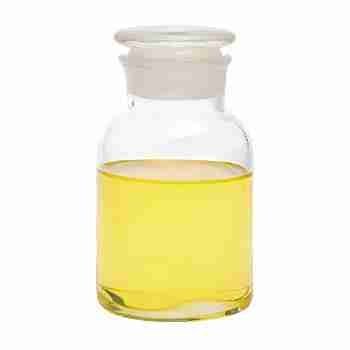
Appearance: Light yellow liquid
Cedarwood oil Typical?Specification
Item
Specification
Appearance
Light yellow liquid
odor
woody
Boiling Point
279???C
Cedarwood oil Usage
Used as a fragrance and microscope oil. This product is an important fragrance for preparing soap and cosmetic essences, especially in sandalwood essences. It can also be used to separate cedarwood and cedrene, and can be further synthesized into cedarwood acetate, methyl cedarwood ether, acetyl cedrene and other fragrances. It is mainly used in the preparation of essences and medicines, and is used to extract cedarwood. It can also be further synthesized into cedarwood acetate, methyl cedarwood ether, acetyl cedrene and other fragrances.
Cedarwood oil Package?& Storage
25kg/drum
Avoid high temperature and direct sunlight and keep it sealed.
Related Products
Pogostemon cablin (Blanco) Benth Made from dried leaves. It is a viscous liquid ranging from reddish brown to greenish brown, with a unique, slightly camphor like woody fragrance.The patchouli shrub is mainly planted in Indonesia. It grows up to 1 meter, but when harvested, it will be cut to 10-15 centimeters. It is best to extract oil from sun dried leaves, with a yield of about 2%.The three terpenoids found in patchouli oil, namely caryophyllene, patchouli alcohol or patchouli alcohol, and nopachenol, are the typical sources of patchouli fragrance. Thin layer chromatography and high performance liquid chromatography are used to identify potential chemical markers for evaluating the quality of the Chinese herbal medicine ingredient ??patchouli herb?? (aboveground part of patchouli). In addition to the reported patchouli alcohol and 2-hydroxy-6-methyl-3- (4-methylpentanoyl) -4-pyranone, three phenylethane compounds (acteoside, isoacteoside, and crenatoside) were also isolated from this plant material for the first time.
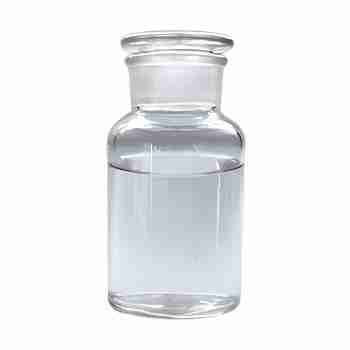
Chemical Name: alpha-Hexylcinnamaldehyde
CAS No.: 101-86-0
Molecular Formula: C15H20O
Molecular Weight: 216.32
Appearance: Yellow Liquid
Chemical Name: 5-Methyl-2-acetylfuran
CAS No.: 1193-79-9
Molecular Fomula: C7H8O2
Molecular weight:?124.14
Appearance:?Colorless to light yellow liquid
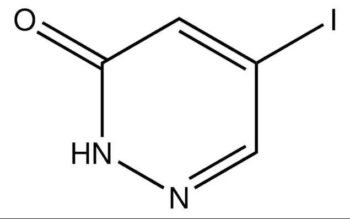
Common English name: 5-iodo-2,3-dihydropyridazin-3-one
CAS No.: 825633-94-1
Molecular formula: C4H3IN2O
Molecular weight: 221.98
Sample: Available
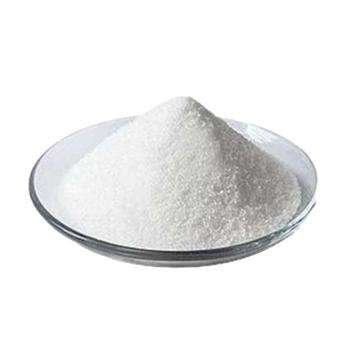
Chemical Name: 3-Hydroxybutyric acid
CAS No.: 625-71-8
Molecular Formula: C4H8O3
Molecular Weight: 104.1
Appearance: White powder
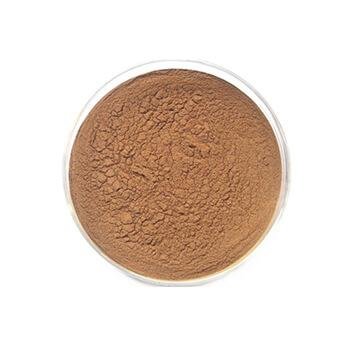
Chemical Name: Ashwagandha Extract
Synonyms: Withania somnifera, ext.; Withania Somnefera Extract
CAS: 90147-43-6
Appearance: Brown
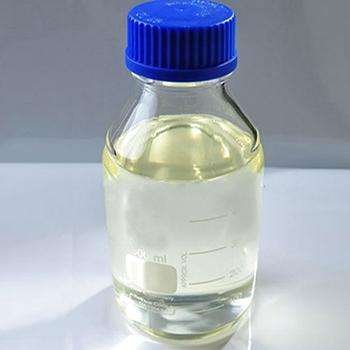
Chemical Name: 1,1,2,2-Tetrachloroethane
Other Name: Tetrachlorethane
CAS No.: 79-34-5
Molecular Formula: C2H2Cl4
Molecular Weight: 167.85
Appearance: Liquid
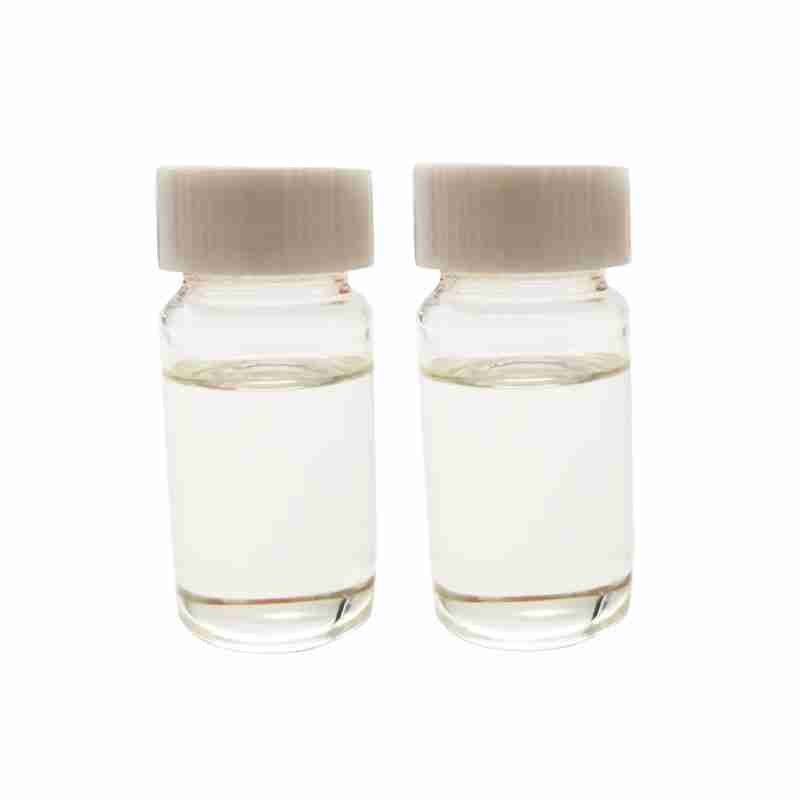
Cis ?C 3-Methyl-4-octanolide, also known as cis- ??- methyl- ??- Octalactone or 5-butyldihydro-4-methylfuran-2 (3 H) ?C one, a compound of lactone family, chemical formula C9H16O2. It exists as two optical isomers: 3 R, 4 R (??+??) and 3 S, 4 S (??-??).
3S, 4S isomers, commonly known as whisky lactone or oak lactone, are important components in the aroma of whisky (first discovered by Suomalainen and Nyk ? nen in 1970) and other alcoholic beverages aged in oak barrels. It is sometimes added to wine as a flavoring. It has the aroma of coconut, celery or fresh wood, and can be detected by human body when the concentration in the air is 1 microgram/l. The mixture of cis and trans isomers can repel mosquitoes and flies.

Chemical Name: 4-((2-Furylmethyl)thio)-4-methylpentan-2-one
Cas No.: 64835-96-7
Molecular Fomula: C11H16O2S
Molecular Weight: 212.31
Appearance: Colorless to light yellow liquid
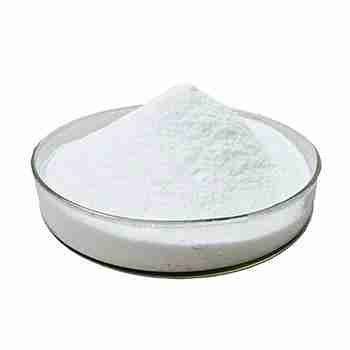
Chemical Name: z-3-decen-1-yl acetate
CAS No.: 81634-99-3
Molecular Fomula: C12H22O2
Molecular weight:?198.3
Appearance:?powder
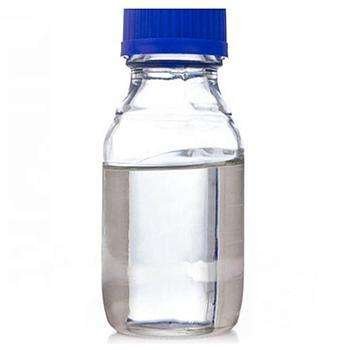
Chemical Name: STODDARD SOLVENT
CAS No.: 64742-88-7
Appearance: Colorless or Light Yellow Liquid
As an organic compound, Cinnamyl alcohol has a very distinct sweet, spicy, hyacinth odour that is found in resins, balsams and cinnamon leaves. It is used commonly in the fragrance industry due to its distinctive odour, which can be applied as a deodorant, fragrance and additive in cosmetic products and in the formulation of bath products, body and hand products, such as soaps, toothpaste, deodorants, etc. Besides, it also finds application as a food additive in chewing gum, bakery products, candy and soft drinks. Naturally, Cinnamyl alcohol is occurrent only in small amount, thus its industrial demand is usually fulfilled by chemical synthesis starting from the reduction of cinnamaldehyde.



Reviews
There are no reviews yet.