

Description
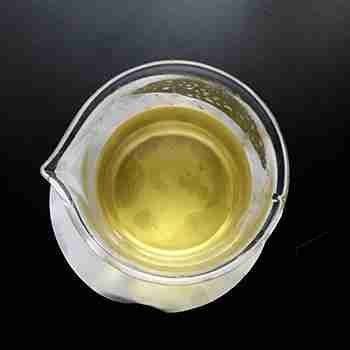
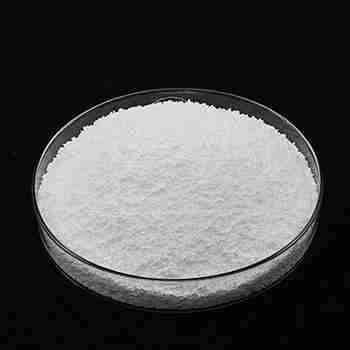
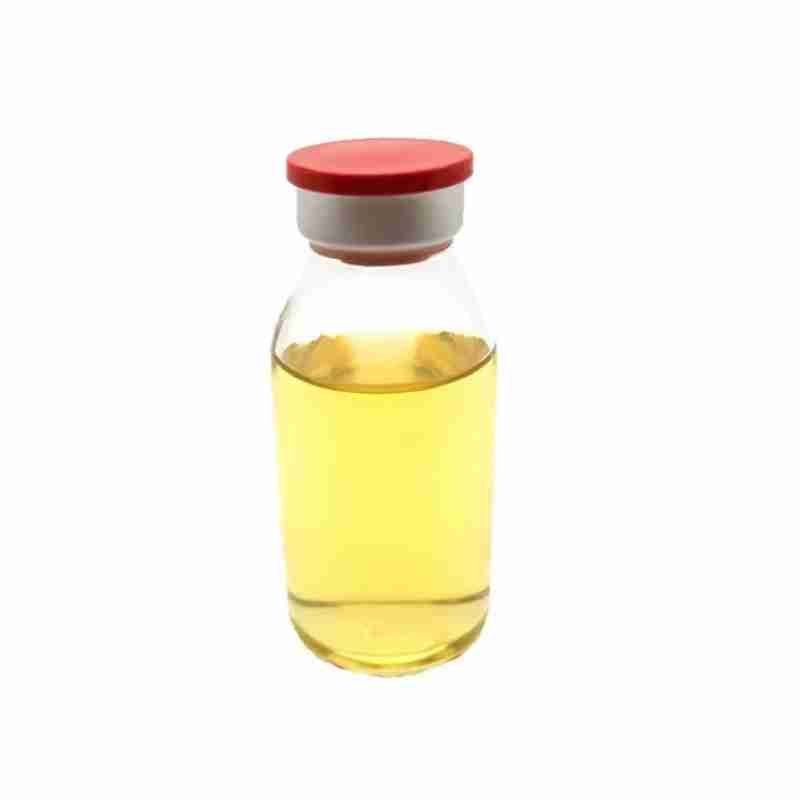
Camellia seed oil?Quick Details
Chemical Name: Camellia seed oil
Molecular weight: /
Appearance:?Liquid
Assay????99.0%
Camellia seed oil application:
Camellia seed oil is extremely suitable for use as a pure natural cosmetic ingredient. It mainly plays a moisturizing role in cosmetic formulas. It is a natural ingredient in skin creams such as BB creams, hair care products such as conditioners, lipsticks, and lip balms, as well as makeup removers and nail polishes.
Camellia seed oil Packaging and Shipping?
customized according to customer needs.
Camellia seed oil?Storage
It should be stored in a clean, dry and cool place, preventing from sunlight, rain.
Related Products
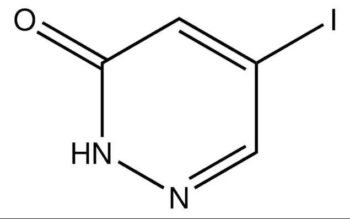
Common English name: 5-iodo-2,3-dihydropyridazin-3-one
CAS No.: 825633-94-1
Molecular formula: C4H3IN2O
Molecular weight: 221.98
Sample: Available
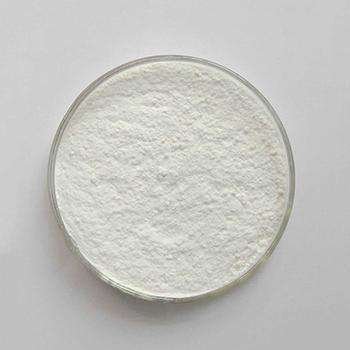
Chemical Name: Zinc citrate
Synonyms: Zinc citrate trihydrate
CAS No.: 546-46-3
Molecular Formula: C6H8O7Zn
Molecular Weight: 257.5
Appearance: White powder
Chemical Name: Dehydrocholic acid
Synonyms: Acide dehydrocholique; Triketocholanic acid
CAS No.: 81-23-2
Molecular Formula: C24H34O5
Molecular Weight: 402.53
Appearance: Powder
Chemical Name: Imazalil Sulfate
CAS No.: 58594-72-2
Molecular Formula: C14H14Cl2N2O.H2SO4
Molecular Weight: 395.26
Appearance: Solid
Chemical Name: o-Xylene
Synonyms: 1,2-Dimethylbenzene; ortho-xylene
CAS No.: 95-47-6
Molecular Formula: C8H10
Molecular Weight: 106.17

Hydroxytyrosol, a potent antioxidant polyphenol derived from olives, is celebrated for its health-promoting properties. Highly valued in the nutraceutical, cosmetic, and pharmaceutical sectors, it contributes to the development of products that support well-being and skin health.

Chemical Name: Reishi Mushroom Extract
CAS No.: /
Molecular Fomula: C16H23O15
Chemical Structure: /
Molecular weight: /
Appearance:Brown powder
Olive Oil, with a Chemical Abstracts Service (CAS) number of 8001-25-0, is a natural fruit oil obtained from the olive tree. It is renowned for its rich flavor, nutritional benefits, and versatility in culinary uses.
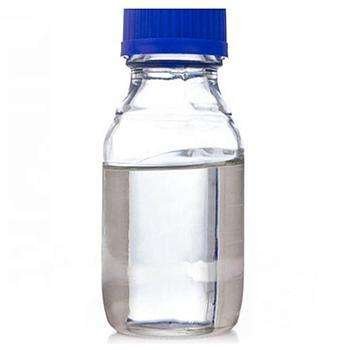
Chemical Name: STODDARD SOLVENT
CAS No.: 64742-88-7
Appearance: Colorless or Light Yellow Liquid
Hydroxytyrosol, a potent antioxidant polyphenol derived from olives, is celebrated for its health-promoting properties. Highly valued in the nutraceutical, cosmetic, and pharmaceutical sectors, it contributes to the development of products that support well-being and skin health.
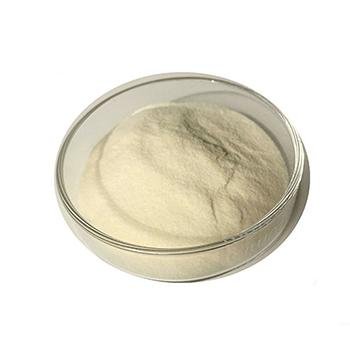
Chemical Name: Quercetin-3-O-sophoroside
CAS No.: 18609-17-1
Molecular Formula: C27H30O17
Molecular Weight: 626.52

Huperzine A is a natural plant extract. Compared with similar AD treatment drugs approved by the US FDA, Huperzine A has a unique chemical structure and has extremely high selectivity to inhibit acetylcholinesterase in the brain and enhance cholinergic in the brain. function of neurons. In addition, Huperzine A has obvious effects on improving memory and improving cognitive ability.
Huperzine A has a small relative molecular weight, high lipid solubility, and is easy to pass through the blood-brain barrier. After entering the central nervous system, it is mostly distributed in the frontal lobe, temporal lobe, hippocampus and other parts of the brain. Its pharmacological effects have multiple targets. In addition to inhibiting the activity of acetylcholinesterase, it can also antagonize oxidative stress and apoptosis induced by ??-amyloid peptide (A??), hydrogen peroxide and other neurotoxins, by activating the protein kinase C (PKC) signal transduction pathway. Activation of ??-secretase promotes the decomposition of ??-amyloid precursor protein (APP) in a non-amyloidogenic manner to produce sAPP??, reducing A??-mediated toxicity, while sAPP?? can effectively promote cell proliferation, axonal growth, and protect nerves. cell.



Reviews
There are no reviews yet.