
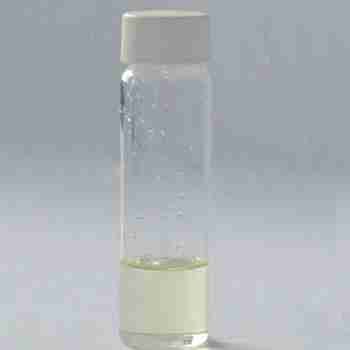
Boron trifluoride acetonitrile complex CAS 420-16-6
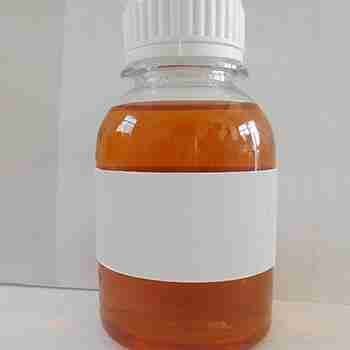
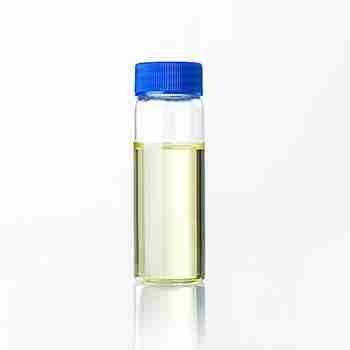
Chemical Name: Boron trifluoride acetonitrile complex
CAS No.: 420-16-6
Molecular Fomula: C2H3BF3N
Molecular weight: 108.86
Appearance:?Yellow liquid
Assay: 99%min
Description
Boron trifluoride acetonitrile complex Quick Details
Chemical Name: Boron trifluoride acetonitrile complex
CAS No.: 420-16-6
Molecular Fomula: C2H3BF3N
Chemical Structure:
Molecular weight: 108.86
Appearance:?Yellow liquid
Assay: 99%min
Boron trifluoride-butyl ether complex?Typical Properties
ITEMS
SPECIFICATION
Appearance
Yellow liquid
Assay %
??99.0
Boron trifluoride acetonitrile complex application
Mainly used as a catalyst for organic reactions, it is a cephalosporin antibiotic, an important raw material for the preparation of boron halides, elemental boron, borane, sodium borohydride and other borides. It is a basic raw material for manufacturing boron Chemicalbook hydrogen high-energy fuel and extracting isotopes. It can also be used as Epoxy resin curing agents are generally produced through the reaction of fuming sulfuric acid, boric acid, hydrogen fluoride and acetonitrile.
Boron trifluoride acetonitrile complex Packaging and Shipping
200kg/drum
Boron trifluoride acetonitrile complex Storage
It should be stored in a clean, dry and cool place, preventing from sunlight, rain.
Related Products
Chemical Name: Arabic gum
CAS No.: 9000-01-5
Appearance: powder

Chemical Name: 1,1,2,2-Tetrachloroethane
Other Name: Tetrachlorethane
CAS No.: 79-34-5
Molecular Formula: C2H2Cl4
Molecular Weight: 167.85
Appearance: Liquid
Chemical Name: TMB (monosulfate)
CAS No.:54827-18-8
Molecular weight:338.42
Appearance:White to off-white solid
Chemical Name: Quercetin-3-O-sophoroside
CAS No.: 18609-17-1
Molecular Formula: C27H30O17
Molecular Weight: 626.52
Chemical Name: Alizarin complexone
Synonyms: Alizarin Fluorine Blue
CAS No.: 3952-78-1
Molecular Fomula: C19H15NO8
Molecular weight: 385.32
Appearance: White to yellow to orange or brown powder
Assay: 98%
Chemical Name: UV-120
Other Name: (2’,4’-Di-tert-butylphenyl 3,5-di-tert-butyl-4-hydroxybenzoate)
CAS No.: 4221-80-1
Molecular Fomula: C29H42O3
Molecular weight: 438.66
Assay: ≥99%(LC)

Chemical Name: 3-Hydroxybutyric acid
CAS No.: 625-71-8
Molecular Formula: C4H8O3
Molecular Weight: 104.1
Appearance: White powder
Chemical Name: Antioxidants?1019
CAS No.: 69851-61-2
Molecular Fomula: C37H58N2O4
Molecular weight:?594.87
Appearance:?White to off-white powder

Chemical name:DFHBI 1T
CAS No.: 1539318-36-9
Molecular Fomula: C13H9F5N2O2
Molecular weight:?320.21
Appearance: white crystal
Assay: ??98.0%
Chemical Name: Azidotrimethylsilane
CAS No.: 4648-54-8
Appearance:?Transparent Liquid
Assay???? 95%
HEPES buffer(4 ?C (2-hydroxyethyl) ?C 1-piperazine ethanesulfonic acid) is a zwitterionic sulfonic acid buffer; One of good??s 20 buffers. Hepes buffer is widely used in cell culture, mainly because it can maintain physiological pH value better than bicarbonate buffer, which is also commonly used in cell culture, although the concentration of carbon dioxide (produced by aerobic respiration) changes. Lepe Zuniga et al. An unwanted photochemical process in which hepes buffer produces hydrogen peroxide when exposed to ambient light is reported, which is not a problem in bicarbonate based cell culture buffer. Therefore, it is strongly recommended to place the solution containing hepes buffer in the dark as far as possible to prevent oxidation.

AMBERLITE XAD-16 is a nonionic, hydrophobic, cross-linked polymeric adsorbent supplied as insoluble white beads. It is characterized by its macroreticular structure, which provides both a continuous polymer phase and a continuous pore phase, offering high surface area and porosity . This adsorbent is specifically designed to capture hydrophobic molecules from polar solvents and volatile organic compounds from vapor streams . It is ideal for use in column or batch operations and is effective for the adsorption of organic substances with relatively low to medium molecular weight . The product is widely utilized in applications such as the purification of antibiotics, recovery of water-soluble steroids, amino acids, and proteins, as well as the removal of nonpolar compounds from polar solvents .



Reviews
There are no reviews yet.