

Atractylis oil?CAS 55290-63-6

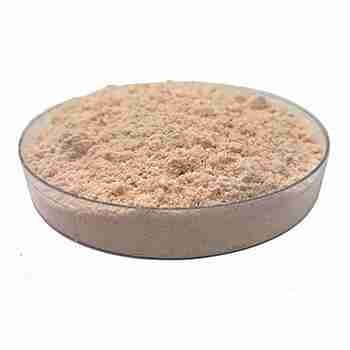
Chemical Name: Atractylis oil
CAS No.: 55290-63-6
Molecular Fomula: ?C13H10O
Molecular weight: 182.22
Appearance: Red brown liquid, with rhizoma atractylodis aroma.
Assay: ??99.0%
Description
Atractylis oil?Quick Details
Chemical Name: Atractylis oil
CAS No.: 55290-63-6
Molecular Fomula: ?C13H10O
Chemical Structure:
Molecular weight: 182.22
Appearance: Red brown liquid, with rhizoma atractylodis aroma.
Assay: ??99.0%
Typical Properties
ITEMS
SPECIFICATION
?
Characters
?
Red brown liquid, with rhizoma atractylodis aroma.
Specific Gravity at 20??
0.9465-0.9750
Refractive index at 20?? :
1.498-1.510
Optical rotation:
+4?? ~ +8??
?
Content
Atractylol,Atractylon
?
Atractylis oil application:
Atractylodes macrocephala extract is a substance extracted from the dry rhizomes of Asteraceae plants Atractylodes macrocephala or Atractylodes macrocephala. Volatile oil is the main active ingredient in Atractylodes macrocephala, with the highest content being Atractylodes macrocephala extract. Atractylodes macrocephala extract has pharmacological activities such as lowering blood sugar, diuresis, promoting gastric emptying, anti-inflammatory, and anti-tumor effects.
Atractylis oil Packaging and Shipping?
25kg/drum
Atractylis oil?StorageIt should be stored in a clean, dry and cool place, preventing from sunlight, rain.
Related Products

Common English name: 5-iodo-2,3-dihydropyridazin-3-one
CAS No.: 825633-94-1
Molecular formula: C4H3IN2O
Molecular weight: 221.98
Sample: Available

Osthole belongs to coumarin compounds. It is prismatic-like crystals (diethyl ether) and needle-like crystals (Ethanol) with the melting point being 83~84 ?? and the boiling point being 145~150 ??. It is soluble in alkaline solution, methanol, ethanol, chloroform, acetone, ethyl acetate, and boiling petroleum ether but insoluble in water and petroleum ether.
Osthole has various kinds of effects of antispasmodic, hypotensive, anti-arrhythmic and enhancing immune function and broad-spectrum antimicrobial effect. Osthole can not only have efficacy such as anti-hypertensive, anti-arrhythmic, anti-inflammatory, anti-tumor and anti-osteoporosis effect, but can also act as a new type of biological pesticides with significant efficacy in treating pests and plant pathogens.
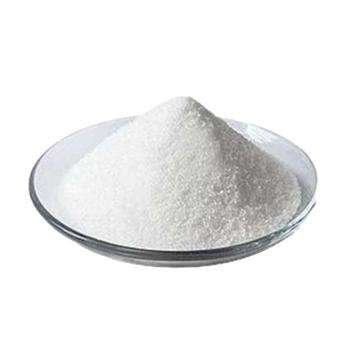
Chemical Name: 3-Hydroxybutyric acid
CAS No.: 625-71-8
Molecular Formula: C4H8O3
Molecular Weight: 104.1
Appearance: White powder

Chemical Name: UV-120
Other Name: (2’,4’-Di-tert-butylphenyl 3,5-di-tert-butyl-4-hydroxybenzoate)
CAS No.: 4221-80-1
Molecular Fomula: C29H42O3
Molecular weight: 438.66
Assay: ≥99%(LC)
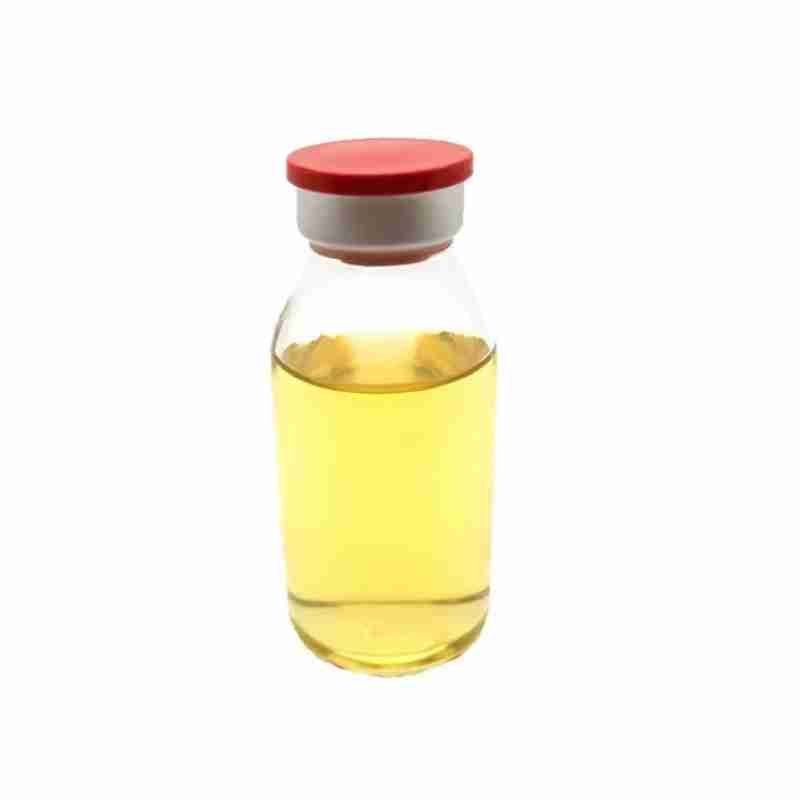
Olive Oil, with a Chemical Abstracts Service (CAS) number of 8001-25-0, is a natural fruit oil obtained from the olive tree. It is renowned for its rich flavor, nutritional benefits, and versatility in culinary uses.

Rosin has many excellent properties due to its structural characteristics, such as anti-corrosion, moisture-proof, insulation, bonding, emulsification, etc., so it is widely used in materials, chemistry, chemical industry, electronics industry, medicine and pesticides.

Arbutin, a derivative of hydroquinone, is a naturally occurring compound extracted primarily from the bearberry plant (Arctostaphylos uva-ursi). It is renowned in the skincare industry for its skin lightening properties, making it a popular ingredient in cosmetic products designed to reduce hyperpigmentation and even out skin tone.
Chemically, arbutin is ??-glucosiduronic acid of hydroquinone, with the molecular formula C12H12O7. Its mechanism of action involves the inhibition of tyrosinase, a key enzyme in the melanin biosynthesis pathway. By reducing melanin production, arbutin effectively lightens the skin without the risk of irritation often associated with hydroquinone.
Arbutin is valued for its safety profile, as it is considered less irritating and more stable compared to other skin lightening agents. It is also known for its antioxidant properties, which contribute to its skin brightening effects and overall skin health benefits.
In summary, arbutin is a reliable and gentle alternative for skin lightening, offering a natural approach to reducing pigmentation issues while promoting a more radiant and even complexion. Its use in skincare formulations is favored for its efficacy and mildness, making it suitable for various skin types.

Chemical Name:?Ptaquiloside
CAS No.: 87625-62-5
Molecular Formula: C20H30O8
Molecular Weight: 398.45
Appearance: White Powder
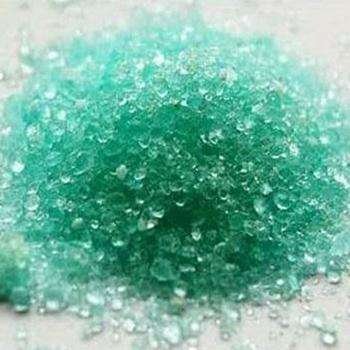
Chemical Name: Ammonium Iron(II) Sulfate
Synonyms: Diammonium iron bis(sulphate); iron (ii) ammonium sulfate
CAS No.: 10045-89-3
Molecular Formula: FeH5NO4S
Molecular Weight: 170.95

Chemical Name: Imazalil Sulfate
CAS No.: 58594-72-2
Molecular Formula: C14H14Cl2N2O.H2SO4
Molecular Weight: 395.26
Appearance: Solid
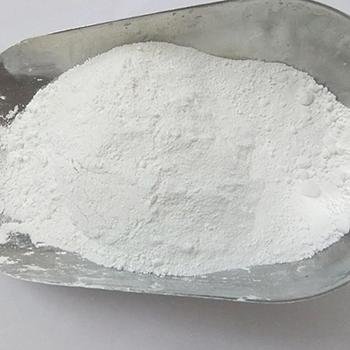
Product name:Cyclopentane
Purity:96%
Appearance:White powder
Package:25kg/bag
Sample:Available

Hydroxytyrosol, a potent antioxidant polyphenol derived from olives, is celebrated for its health-promoting properties. Highly valued in the nutraceutical, cosmetic, and pharmaceutical sectors, it contributes to the development of products that support well-being and skin health.



Reviews
There are no reviews yet.