
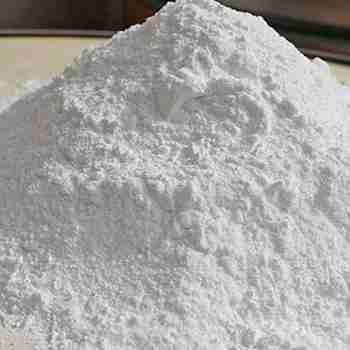
Antimony Potassium Tartrate Cas 16039-64-8 / 11071-15-1

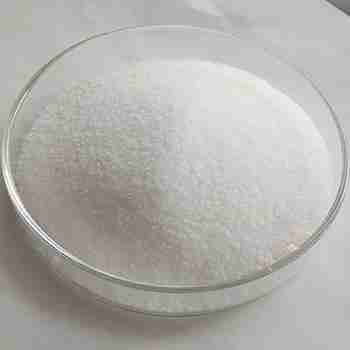
Name: Antimony Potassium Tartrate;Antimony potassium tartrate trihydrate
Cas No: 16039-64-8/11071-15-1
Appearance: Colorless transparent crystal or white crystal powder
Assay: 99~103%
related documents:
Antimony Potassium Tartrate Cas 16039-64-8 11071-15-1
Request for product documents
Description
Product Details
Product name: Antimony Potassium Tartrate;Antimony potassium tartrate trihydrateCAS: 16039-64-8/11071-15-1
Molecular formula: C4H4O6K(SbO).1/2H2O
Molecular weight: 333.94
Molecular structure??
Appearance: Colorless transparent crystal or white crystalline powder. The relative density is 2.607. It is easily soluble in boiling water. In 100ml of water, the solubility is 8.3g at 25oC and 35.9g at 100oC. Soluble in glycerin, insoluble in ethanol. Odorless, with a sweet and metallic taste. Crystals are weatherable. Its aqueous solution is slightly acidic.
Specification
Item
Specifications
Appearance
Colorless transparent crystal or white crystal powder
Identification(ABC)
Meets the requirements
Solubility
Freely soluble in boiling water, Soluble in water and in glycerine, insoluble in alcohol
Assay
99~103%
PH value
3.5~4.5
Acidity or Alkalinity
Not more than 2.00 ml of 0.01 N HCI or 0.01 N NaOH is needed to adjust at pH 4.5
Completeness of solution (750mg/10mL of water)
The solution is not less clear than solvent
Arsenic
??0.015%
Lead(Pb)
??0.002%
Loss on drying(105??)
??2.7%
Water solution test
Passed
Bulk Density
??0.6g/ml
Usage:
Used as an analytical agent (such as determination of lead, sodium, germanium, etc.), a mordant for fabrics and leather shoes, a color-fixing agent for basic dyes and nylon acid dyes, and for making insecticides and anti-schistosomiasis drugs, etc.
Package:
25kg composite paper bag lined with polyethylene bag, or 50kg iron drum.
Related Products

Silicon dioxide, commonly known as silica, is a naturally occurring compound found in quartz and sand. It is a primary component of most rocks and is widely used in various industries due to its high thermal stability, chemical inertness, and optical clarity. In chemical applications, it is valued for its abrasive, refractory, and adsorptive properties, making it essential in products like glass, ceramics, and electronics.

Copper(II) sulfate, with the chemical formula CuSO4, is a blue crystalline compound that is soluble in water. It is commonly used in agriculture as a fungicide and in the textile industry as a dye fixative. Copper(II) sulfate is also utilized in the manufacture of pigments, batteries, and as an algaecide in water treatment. Its distinctive blue color and reactivity make it a versatile chemical in various industrial applications, including chemical analysis and electroplating.
Chemical Name: Dehydrocholic acid
Synonyms: Acide dehydrocholique; Triketocholanic acid
CAS No.: 81-23-2
Molecular Formula: C24H34O5
Molecular Weight: 402.53
Appearance: Powder

Kaolin, also known as china clay, is a naturally occurring hydrated aluminum silicate mineral. It is a soft, white, plastic clay that is widely used in ceramics, papermaking, and as a pigment in paints, coatings, and plastics. Kaolin is valued for its fine particle size, purity, and ability to improve the brightness and opacity of materials. Its inert nature and high refractive index make it ideal for various industrial applications, including cosmetics and pharmaceuticals.
Sodium aluminosilicate (CAS No.73987-94-7) is an inorganic compound.
It has a certain application in industry. For example, in the ceramic industry, sodium aluminosilicate can be used as a flux and an ingredient in ceramic glazes, helping to improve the performance and appearance of ceramics.
In some chemical processes, it may also function as a precipitating agent or an additive.
In the field of materials science, the properties and structural characteristics of sodium aluminosilicate make it have potential application value in the research and development of some new materials.
Product name:Cyclopentane
Purity:96%
Appearance:White powder
Package:25kg/bag
Sample:Available
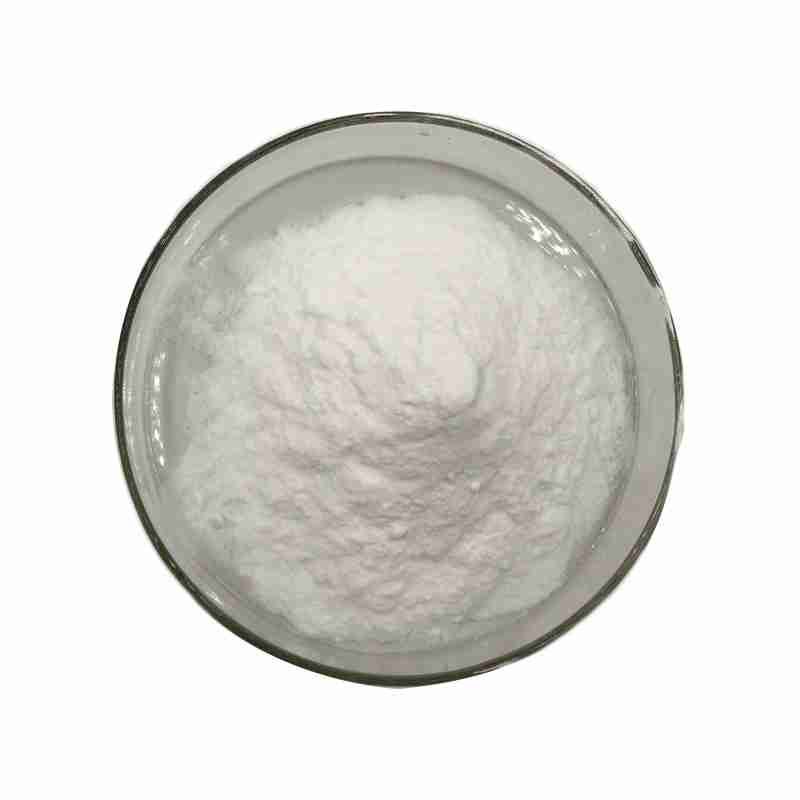
Ammonium sulfamate is a white crystalline compound with the chemical formula (NH4)2SO3. It is a versatile chemical used in various applications, including as a flame retardant, a fertilizer ingredient, and a chemical intermediate. In the agricultural sector, it serves as a source of nitrogen, promoting plant growth. As a flame retardant, it is effective in reducing the flammability of materials. Additionally, it is used in the synthesis of other chemicals due to its reactivity with amines and other organic compounds. Its properties make it a valuable component in a range of industrial processes.
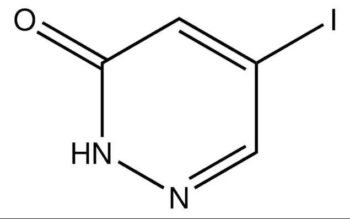
Common English name: 5-iodo-2,3-dihydropyridazin-3-one
CAS No.: 825633-94-1
Molecular formula: C4H3IN2O
Molecular weight: 221.98
Sample: Available
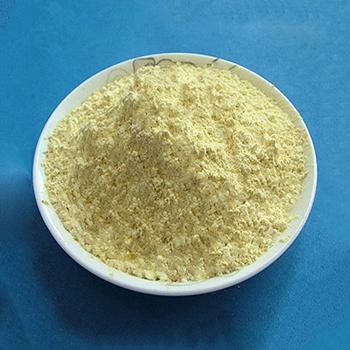
Product name:HYDROXYPROPYL GUAR HYDROXYPROPYLTRIMONIUM CHLORIDE
Purity:99%
Appearance:Light Yellow Powder
Package:Customized according to customer needs.
Sample:Available

Carbon is a fundamental element found in all organic life and a key component of many inorganic materials. It is known for its ability to form long chains and complex structures, which makes it the basis of various compounds, including diamond, graphite, and fullerenes. Carbon is used in a wide range of applications, from manufacturing steel and other alloys to being a key element in batteries and as a pigment in inks and paints.

Aluminum chlorohydrate is an inorganic compound often used as a coagulant in water treatment processes. It is also known for its astringent properties and is utilized in various personal care products, such as antiperspirants and deodorants, due to its ability to temporarily close sweat glands. It enhances the viscosity and stability of formulations, making it a valuable ingredient in cosmetics and pharmaceuticals.
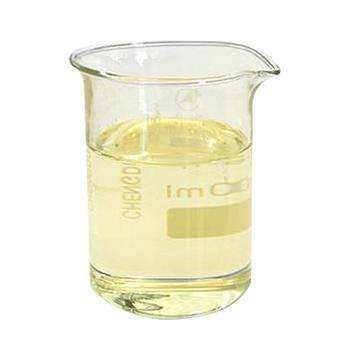
Chemical Name: Potassium Castorate
CAS No.: 8013-05-6
Molecular Formula: C57H107K3O12
Molecular Weight: 1101.74718
Appearance: Yellow Liquid



Reviews
There are no reviews yet.