

Aluminium Glycinate CAS 13682-92-3
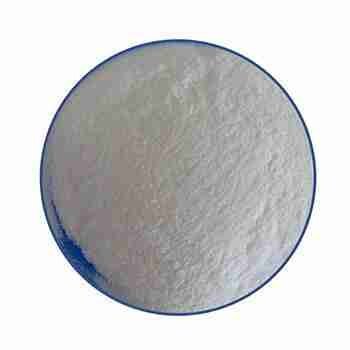

Chemical Name: Aluminium glycinate
Synonyms: Dihydroxyaluminium glycinate; Glycine aluminum; Dihydroxyaliminum aminoacetate; Dihydroxyaluminium; Aluminum Glycine
CAS No.: 13682-92-3
Molecular Fomula: C2H3AlNO4
Molecular weight: 132.03
Appearance: White powder
Description
Aluminium Glycinate Quick Details
Chemical Name: Aluminium glycinate
Synonyms: Dihydroxyaluminium glycinate; Glycine aluminum; Dihydroxyaliminum aminoacetate; Dihydroxyaluminium; Aluminum Glycine
CAS No.: 13682-92-3
Molecular Fomula: C2H3AlNO4
Chemical Structure:
Molecular weight: 132.03
Appearance: White powder
Assay????99.0%
Aluminium Glycinate Typical Properties
ITEMS
SPECIFICATION
Purity
99.0%min
Water
1%max
Aluminium Glycinate Application:
Usage: Detergent, electroplating solution, pharmaceutical industry, etc., can neutralize gastric acid, reduce gastric acidity and acid load entering the duodenum, reduce gastric acid, reduce pepsin activity, alleviate upper abdominal pain symptoms; and have astringent and hemostatic effects. Properties: White, colorless and odorless. Slightly sweet powder, soluble in water and organic solvents, insoluble in inorganic acid and alkali solutions.
Aluminium Glycinate Packaging and Shipping?
customized according to customer needs.
Aluminium Glycinate Storage
It should be stored in a clean, dry and cool place, preventing from sunlight, rain.
Related Products

Kaolin, also known as china clay, is a naturally occurring hydrated aluminum silicate mineral. It is a soft, white, plastic clay that is widely used in ceramics, papermaking, and as a pigment in paints, coatings, and plastics. Kaolin is valued for its fine particle size, purity, and ability to improve the brightness and opacity of materials. Its inert nature and high refractive index make it ideal for various industrial applications, including cosmetics and pharmaceuticals.

Silicon dioxide, commonly known as silica, is a naturally occurring compound found in quartz and sand. It is a primary component of most rocks and is widely used in various industries due to its high thermal stability, chemical inertness, and optical clarity. In chemical applications, it is valued for its abrasive, refractory, and adsorptive properties, making it essential in products like glass, ceramics, and electronics.

Chemical Name: UV-120
Other Name: (2’,4’-Di-tert-butylphenyl 3,5-di-tert-butyl-4-hydroxybenzoate)
CAS No.: 4221-80-1
Molecular Fomula: C29H42O3
Molecular weight: 438.66
Assay: ≥99%(LC)
Product name:Cyclopentane
Purity:96%
Appearance:White powder
Package:25kg/bag
Sample:Available

Strontium chloride is an inorganic compound with the chemical formula SrCl2. It is a white crystalline solid that is highly soluble in water. This compound is used in various applications, including the production of strontium salts for??? and pyrotechnics, where it imparts a deep red color to the flame. Additionally, strontium chloride is utilized in metallurgy as an ingredient in alloys and in the medical field for certain diagnostic procedures. Its chemical properties make it a valuable substance in a range of industrial and scientific applications.

Chemical Name: 3-Hydroxybutyric acid
CAS No.: 625-71-8
Molecular Formula: C4H8O3
Molecular Weight: 104.1
Appearance: White powder

Water glass is an aqueous solution of silicate, which is as crystal clear as glass but as fluid as water. It is a soluble alkali metal silicate material composed of a combination of alkali metal oxides and silica.
Water glass plays an important role in industry, agriculture, technology and other fields. As a binder, water glass has occupied a place in the industrial field since its inception. It can be used to block the sewage leaked from the Fukushima nuclear power plant, or to repair cracks in brick walls; it also has anti-corrosion and acid resistance properties. , is an important material for acid-resistant floors and acid-resistant pools in industrial buildings; painting concrete pavements with water glass can also increase the frost resistance and water resistance of the pavement.

Chemical Name: 1,1,2,2-Tetrachloroethane
Other Name: Tetrachlorethane
CAS No.: 79-34-5
Molecular Formula: C2H2Cl4
Molecular Weight: 167.85
Appearance: Liquid

Chemical Name: o-Xylene
Synonyms: 1,2-Dimethylbenzene; ortho-xylene
CAS No.: 95-47-6
Molecular Formula: C8H10
Molecular Weight: 106.17

Carbon is a fundamental element found in all organic life and a key component of many inorganic materials. It is known for its ability to form long chains and complex structures, which makes it the basis of various compounds, including diamond, graphite, and fullerenes. Carbon is used in a wide range of applications, from manufacturing steel and other alloys to being a key element in batteries and as a pigment in inks and paints.
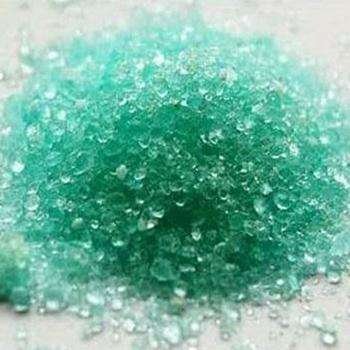
Chemical Name: Ammonium Iron(II) Sulfate
Synonyms: Diammonium iron bis(sulphate); iron (ii) ammonium sulfate
CAS No.: 10045-89-3
Molecular Formula: FeH5NO4S
Molecular Weight: 170.95

Aluminum chlorohydrate is an inorganic compound often used as a coagulant in water treatment processes. It is also known for its astringent properties and is utilized in various personal care products, such as antiperspirants and deodorants, due to its ability to temporarily close sweat glands. It enhances the viscosity and stability of formulations, making it a valuable ingredient in cosmetics and pharmaceuticals.



Reviews
There are no reviews yet.