
Description
Adenosine Quick?Details
Chemical Name: Adenosine
CAS No.: 58-61-7
Molecular Formula: C10H13N5O4
Molecular Weight??267.24
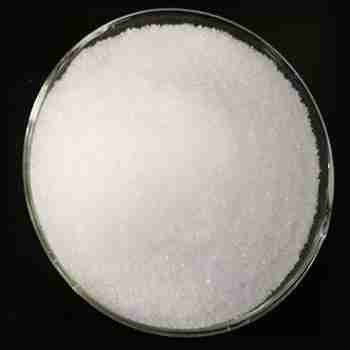
Appearance: White powder
Adenosine Typical Properties
Item
Standard
Assay
99%-101%
Identification
IR spectrum should match that of the working standard
Melting point
223-238 ??
???????? Specific rotation
-68??-72??
Loss on drying
?Q0.5%
Residue on ignition
?Q0.1%
Heavy metals
?Q10ppm
Acidity or alkalinity
??????? Meet the requirements
Limit of Ammonia
??Q0.0004
Limit of chloride
??Q0.007%
Limit of sulfate
??Q0.02%
Total of impurities ?Q0.5%
Guanosine ?Q0.1%
Inosine ?Q0.1%
Uridine?Q0.1%
Adenine ?Q0.2%
?
Adenosine Usage
1. Antiarrhythmic drugs can make paroxysmal supraventricular tachycardia into sinus rhythm. Used for supraventricular arrhythmias associated with atrioventricular.
2. Antiviral drug.
3. The pharmaceutical industry is mainly used for the production of adenosine arabine and adenosine triphosphate; Coenzyme and its series products are the main raw materials of drugs such as cyclic adenosine phosphate.
4. For the production of ATP, adenosine arabine, coenzyme A.
5. Treatment of angina pectoris, myocardial infarction, coronary insufficiency, arteriosclerosis, essential hypertension, cerebrovascular disorders, sequelae of stroke, progressive muscular atrophy, etc
6. Endogenous neurotransmitters.
7. Adenosine-induced apoptosis of hL-60 cells in human leukemia. It also has anti-arrhythmia properties. A neurotransmitter, adenosine A receptor in all subtypes, ACTS is the preferred endogenous agonist.
Adenosine Packaging and Shipping
Packing: 25kg/drum
Adenosine Storage
Ventilated low-temperature drying warehouse; Store separately from food ingredients.
Related Products
Chemical Name: Imazalil Sulfate
CAS No.: 58594-72-2
Molecular Formula: C14H14Cl2N2O.H2SO4
Molecular Weight: 395.26
Appearance: Solid

Chemical Name: Arabic gum
CAS No.: 9000-01-5
Appearance: powder
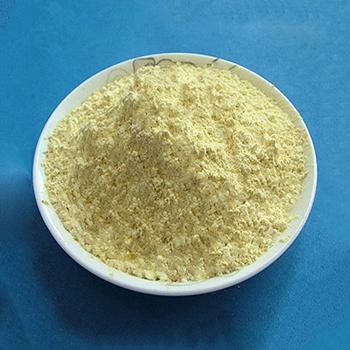
Product name:HYDROXYPROPYL GUAR HYDROXYPROPYLTRIMONIUM CHLORIDE
Purity:99%
Appearance:Light Yellow Powder
Package:Customized according to customer needs.
Sample:Available


Carnosine was discovered together with carnitine by the Russian chemist Gurevitch. Studies in the UK, South Korea, Russia and other countries have shown that carnosine has strong antioxidant capacity and is beneficial to the human body. Carnosine has been shown to scavenge reactive oxygen species (ROS) and ??-?? unsaturated aldehydes formed during oxidative stress by excessive oxidation of fatty acids in cell membranes.
L-Carnosine is a small molecule with a left-handed structure of a natural dipeptide that is ubiquitous in nature. It is a dipeptide composed of ??-alanine and L-histidine. Carnosine has cellular antioxidant, anti-aging and various physiological health functions and medical effects. It has therapeutic effects on hypertension, heart disease, senile cataracts, ulcer healing, etc. It also has anti-tumor, immune model tests, and anti-stress effects. stimulating factors and other effects.

Copper acetate peptide, also known as blue copper peptide. Copper peptide, also known as tripeptide in Chinese; Glycyl-L-histomyl-L-lysine. Peptide is a small molecule protein composed of amino acids, which are more easily absorbed by the skin and have more significant effects. It was first isolated from human plasma in 1973 and was discovered to have wound repair function in 1985. In 1999, researchers believed that copper peptide and its copper repair products can serve as activators of tissue remodeling, and it is also a signaling peptide, Promote the degradation of a large amount of collagen aggregates outside scars, the synthesis of normal collagen in the skin, the generation of elastin, proteoglycans, and glucosamine glycans, the growth rate and migration of different cell types, anti-inflammatory, and antioxidant responses.
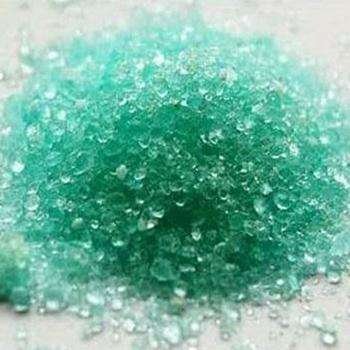
Chemical Name: Ammonium Iron(II) Sulfate
Synonyms: Diammonium iron bis(sulphate); iron (ii) ammonium sulfate
CAS No.: 10045-89-3
Molecular Formula: FeH5NO4S
Molecular Weight: 170.95
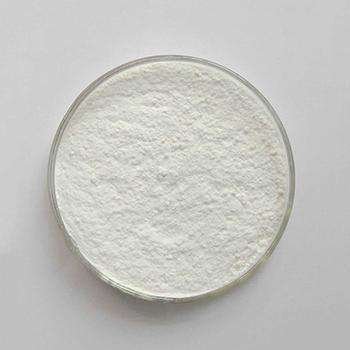
Chemical Name: Zinc citrate
Synonyms: Zinc citrate trihydrate
CAS No.: 546-46-3
Molecular Formula: C6H8O7Zn
Molecular Weight: 257.5
Appearance: White powder
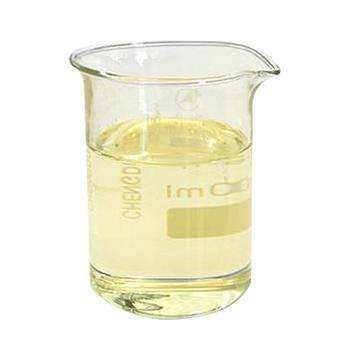
Chemical Name: Potassium Castorate
CAS No.: 8013-05-6
Molecular Formula: C57H107K3O12
Molecular Weight: 1101.74718
Appearance: Yellow Liquid
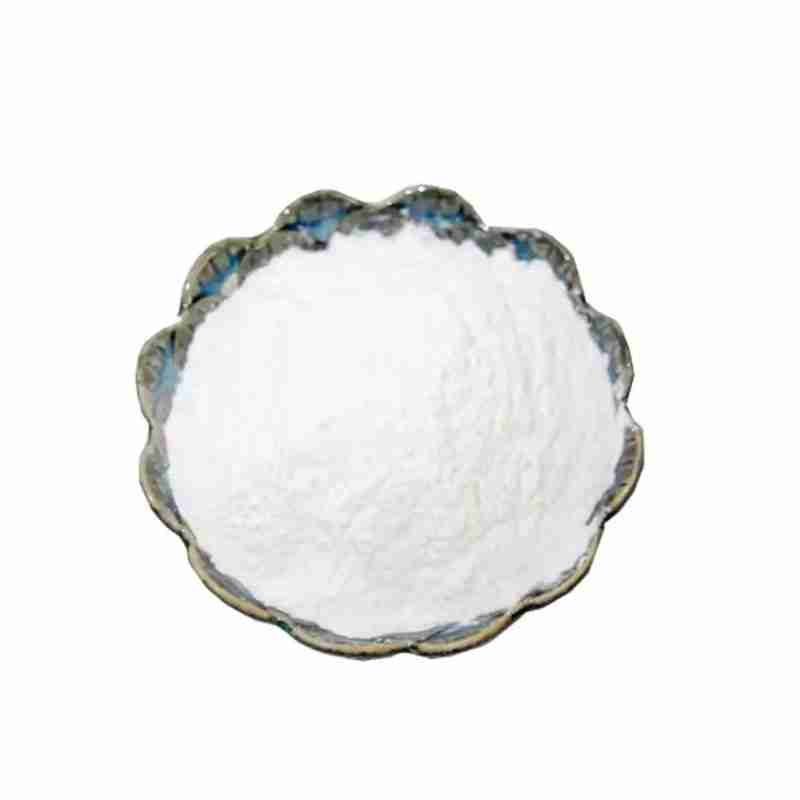
Polyglutamic acid (y-PGA), also known as natto gum, is a high molecular peptide polymer synthesized from several glutamic acid monomers through microbial fermentation. It is rich in glutamic acid, glucose, protein and minerals. , vitamins and other biologically active substances.
Polyglutamic acid (??-PGA) is a sticky substance that was first discovered in ??Natto??. It is currently widely used in agricultural production and is called a new biostimulant. It is fully water-soluble, biodegradable, edible, and non-toxic. It is a biopolymer produced by microbial fermentation.

Chemical Name:?UDP-Glucuronic Acid Trisodium
CAS No.: 63700-19-6
Molecular Fomula: C15H23N2NaO18P2
Molecular weight: 604.28
Appearance: Solid
Assay: 98%
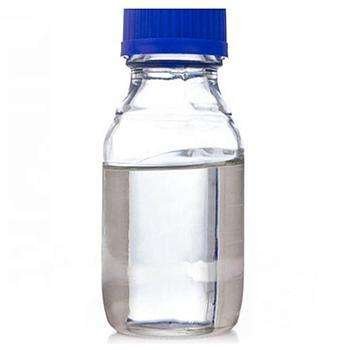
Chemical Name: STODDARD SOLVENT
CAS No.: 64742-88-7
Appearance: Colorless or Light Yellow Liquid
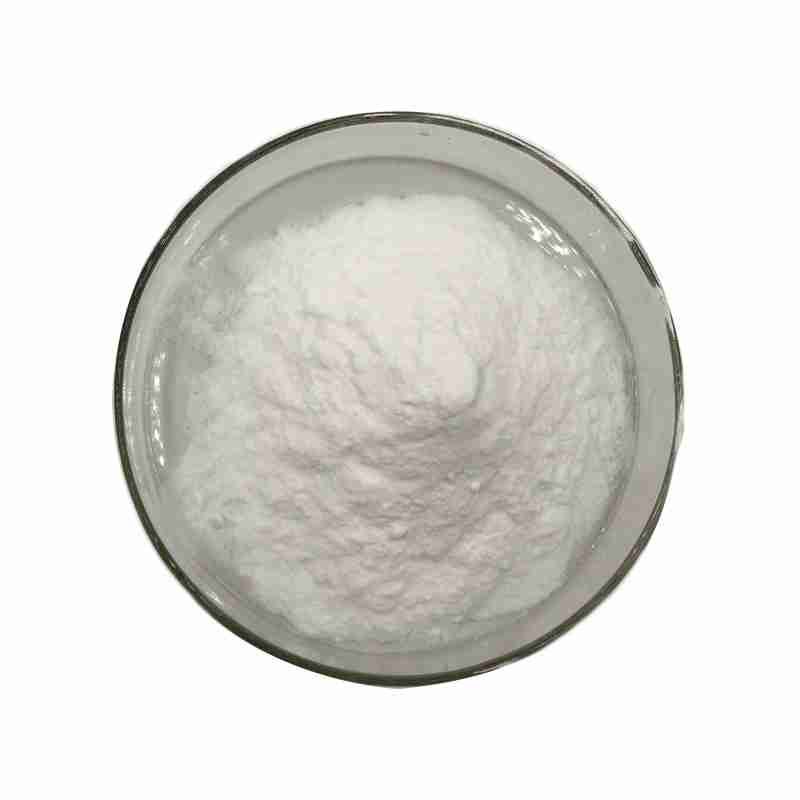
EC 3.4.21.14, previously classified, now redirects to EC 3.4.21.67, identifying endopeptidase So. This serine endopeptidase is integral in the hydrolysis of peptide bonds, a critical function in biological systems. Its applications extend across research and development in the pharmaceutical and biotechnological industries.



Reviews
There are no reviews yet.