
Description
Adenosine Quick?Details
Chemical Name: Adenosine
CAS No.: 58-61-7
Molecular Formula: C10H13N5O4
Molecular Weight??267.24
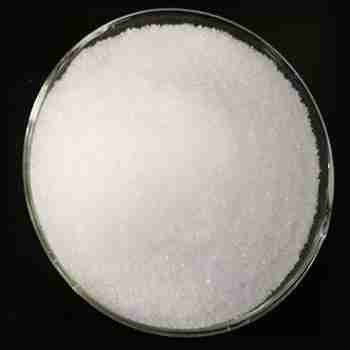
Appearance: White powder
Adenosine Typical Properties
Item
Standard
Assay
99%-101%
Identification
IR spectrum should match that of the working standard
Melting point
223-238 ??
???????? Specific rotation
-68??-72??
Loss on drying
?Q0.5%
Residue on ignition
?Q0.1%
Heavy metals
?Q10ppm
Acidity or alkalinity
??????? Meet the requirements
Limit of Ammonia
??Q0.0004
Limit of chloride
??Q0.007%
Limit of sulfate
??Q0.02%
Total of impurities ?Q0.5%
Guanosine ?Q0.1%
Inosine ?Q0.1%
Uridine?Q0.1%
Adenine ?Q0.2%
?
Adenosine Usage
1. Antiarrhythmic drugs can make paroxysmal supraventricular tachycardia into sinus rhythm. Used for supraventricular arrhythmias associated with atrioventricular.
2. Antiviral drug.
3. The pharmaceutical industry is mainly used for the production of adenosine arabine and adenosine triphosphate; Coenzyme and its series products are the main raw materials of drugs such as cyclic adenosine phosphate.
4. For the production of ATP, adenosine arabine, coenzyme A.
5. Treatment of angina pectoris, myocardial infarction, coronary insufficiency, arteriosclerosis, essential hypertension, cerebrovascular disorders, sequelae of stroke, progressive muscular atrophy, etc
6. Endogenous neurotransmitters.
7. Adenosine-induced apoptosis of hL-60 cells in human leukemia. It also has anti-arrhythmia properties. A neurotransmitter, adenosine A receptor in all subtypes, ACTS is the preferred endogenous agonist.
Adenosine Packaging and Shipping
Packing: 25kg/drum
Adenosine Storage
Ventilated low-temperature drying warehouse; Store separately from food ingredients.
Related Products
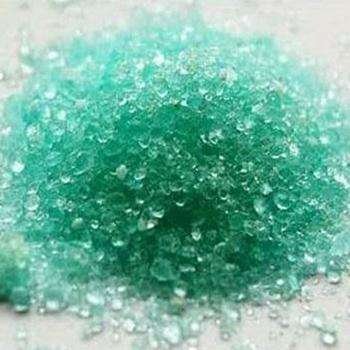
Chemical Name: Ammonium Iron(II) Sulfate
Synonyms: Diammonium iron bis(sulphate); iron (ii) ammonium sulfate
CAS No.: 10045-89-3
Molecular Formula: FeH5NO4S
Molecular Weight: 170.95

EC 3.4.21.14, previously classified, now redirects to EC 3.4.21.67, identifying endopeptidase So. This serine endopeptidase is integral in the hydrolysis of peptide bonds, a critical function in biological systems. Its applications extend across research and development in the pharmaceutical and biotechnological industries.

Chemical Name: UV-120
Other Name: (2’,4’-Di-tert-butylphenyl 3,5-di-tert-butyl-4-hydroxybenzoate)
CAS No.: 4221-80-1
Molecular Fomula: C29H42O3
Molecular weight: 438.66
Assay: ≥99%(LC)

L-arginine (or arginine) is an amino acid that is recognized to be the ??building blocks?? of healthy proteins.?We get arginine from our diet plan, especially from animal-derived healthy protein foods, consisting of beef and various other sorts of red meat, chicken, fish, eggs, and also dairy items.
In addition to being normally present in a ??entire healthy protein?? that gives all the important amino acids we need, it is also produced in a research laboratory setting so it can be made use of to develop supplements that benefit heart health, sports efficiency, psychological performance, as well as extra.

Chemical Name:?UDP-glucuronic acid
CAS No.: 2616-64-0
Molecular Fomula: C15H22N2O18P2
Molecular weight: 580.28
Appearance: Solid
Assay: 98%

Chemical Name: 1,1,2,2-Tetrachloroethane
Other Name: Tetrachlorethane
CAS No.: 79-34-5
Molecular Formula: C2H2Cl4
Molecular Weight: 167.85
Appearance: Liquid

Chemical Name: Dehydrocholic acid
Synonyms: Acide dehydrocholique; Triketocholanic acid
CAS No.: 81-23-2
Molecular Formula: C24H34O5
Molecular Weight: 402.53
Appearance: Powder

Chemical Name:?UDP-Glucuronic Acid Trisodium
CAS No.: 63700-19-6
Molecular Fomula: C15H23N2NaO18P2
Molecular weight: 604.28
Appearance: Solid
Assay: 98%

Ectoine is a naturally occurring osmoprotectant, a cyclic amino acid derivative that offers exceptional cell-stabilizing properties. Highly valued in cosmetics and pharmaceuticals, it enhances product efficacy by maintaining cell integrity under various environmental stresses.

Hydrolyzed keratin is originated from wool and is a light yellow to brownish-yellow clear fluid with a particular smell. It needs to undertake unique organic treatment to come to be brief peptides prior to it can be naturally used. Treated keratin is an acknowledged prospective resource of high-quality healthy protein with high nutritional value and secure quality.
It is a keratin hydrolysate derived from acid, enzyme and other hydrolysis methods, and has been used in feed and food industry, pharmacy, fertilizer, pesticide, environmental protection, leather industry, cosmetics and many other fields. Specifically, the material can be blended with polyamide 6 to prepare nanofibers for adsorbing chromium (VI). In addition, the compound can be used as an effective ingredient in the manufacture of shampoo, shower gel and shower gel. In addition, the chemical can be used as an effective ingredient in the production of deodorization compositions. In addition, the substance has been proven to be useful as a hair styling agent.
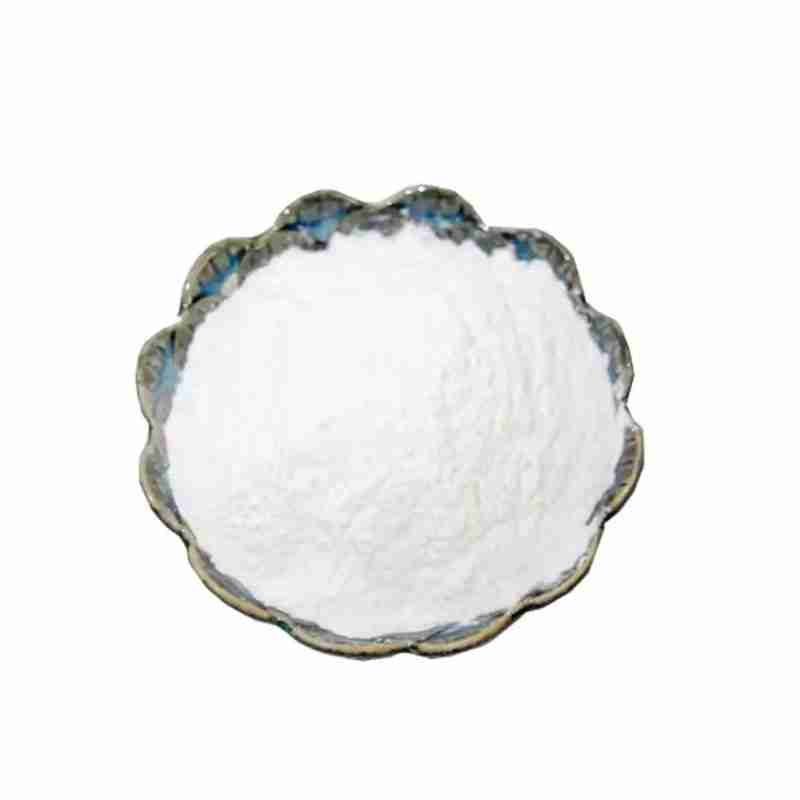
Polyglutamic acid (y-PGA), also known as natto gum, is a high molecular peptide polymer synthesized from several glutamic acid monomers through microbial fermentation. It is rich in glutamic acid, glucose, protein and minerals. , vitamins and other biologically active substances.
Polyglutamic acid (??-PGA) is a sticky substance that was first discovered in ??Natto??. It is currently widely used in agricultural production and is called a new biostimulant. It is fully water-soluble, biodegradable, edible, and non-toxic. It is a biopolymer produced by microbial fermentation.

Chemical Name: Quercetin-3-O-sophoroside
CAS No.: 18609-17-1
Molecular Formula: C27H30O17
Molecular Weight: 626.52



Reviews
There are no reviews yet.