


Description
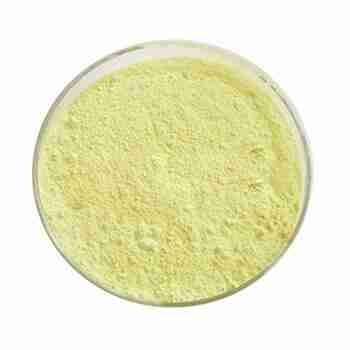
Acacetin Quick Details
Chemical Name: Acacetin
CAS No.:? 480-44-4
Molecular Fomula: C16H12O5
Chemical Structure:
Molecular weight:?284.26
Appearance:?Yellow Solid
Assay: ??99.0%
Typical Properties
ITEMS
SPECIFICATION
Melting point
260-265???C(lit.)
Boiling point
346.76??C (rough estimate)
density
1.2160 (rough estimate)
refractive index
1.6200 (estimate)
?
Acacetin application
Acacetin is an O-methylated flavone found in various plants. It is reported to demonstrate spasmolytic, antinociceptive, anti-inflammatory, and antioxidant activity in various research models.
Packaging and Shipping?
customized according to customer needs.
Acacetin Storage
It should be stored in a clean, dry and cool place, preventing from sunlight, rain.
Related Products

Chemical Name:?Ptaquiloside
CAS No.: 87625-62-5
Molecular Formula: C20H30O8
Molecular Weight: 398.45
Appearance: White Powder
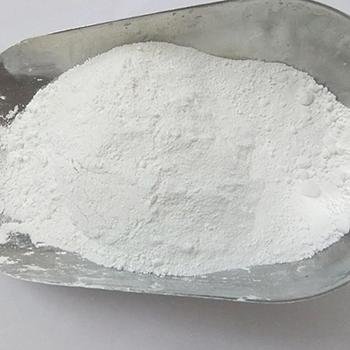
Product name:Cyclopentane
Purity:96%
Appearance:White powder
Package:25kg/bag
Sample:Available
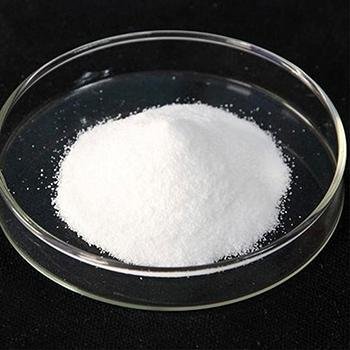
Chemical Name: UV-120
Other Name: (2’,4’-Di-tert-butylphenyl 3,5-di-tert-butyl-4-hydroxybenzoate)
CAS No.: 4221-80-1
Molecular Fomula: C29H42O3
Molecular weight: 438.66
Assay: ≥99%(LC)

Chemical Name: Arabic gum
CAS No.: 9000-01-5
Appearance: powder

Hydroxytyrosol, a potent antioxidant polyphenol derived from olives, is celebrated for its health-promoting properties. Highly valued in the nutraceutical, cosmetic, and pharmaceutical sectors, it contributes to the development of products that support well-being and skin health.
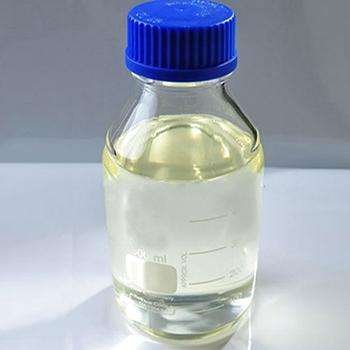
Chemical Name: 1,1,2,2-Tetrachloroethane
Other Name: Tetrachlorethane
CAS No.: 79-34-5
Molecular Formula: C2H2Cl4
Molecular Weight: 167.85
Appearance: Liquid
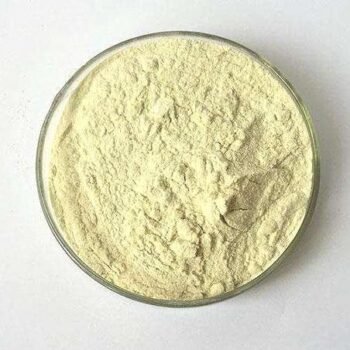
Chemical Name: o-Xylene
Synonyms: 1,2-Dimethylbenzene; ortho-xylene
CAS No.: 95-47-6
Molecular Formula: C8H10
Molecular Weight: 106.17

Chemical Name: Dehydrocholic acid
Synonyms: Acide dehydrocholique; Triketocholanic acid
CAS No.: 81-23-2
Molecular Formula: C24H34O5
Molecular Weight: 402.53
Appearance: Powder
Hydroxytyrosol, a potent antioxidant polyphenol derived from olives, is celebrated for its health-promoting properties. Highly valued in the nutraceutical, cosmetic, and pharmaceutical sectors, it contributes to the development of products that support well-being and skin health.

Rosin has many excellent properties due to its structural characteristics, such as anti-corrosion, moisture-proof, insulation, bonding, emulsification, etc., so it is widely used in materials, chemistry, chemical industry, electronics industry, medicine and pesticides.
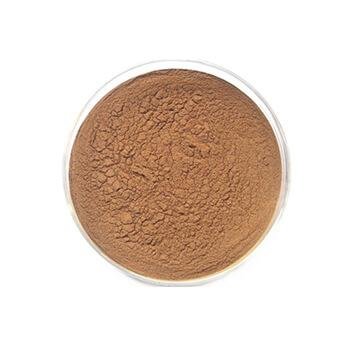
Chemical Name: Ashwagandha Extract
Synonyms: Withania somnifera, ext.; Withania Somnefera Extract
CAS: 90147-43-6
Appearance: Brown
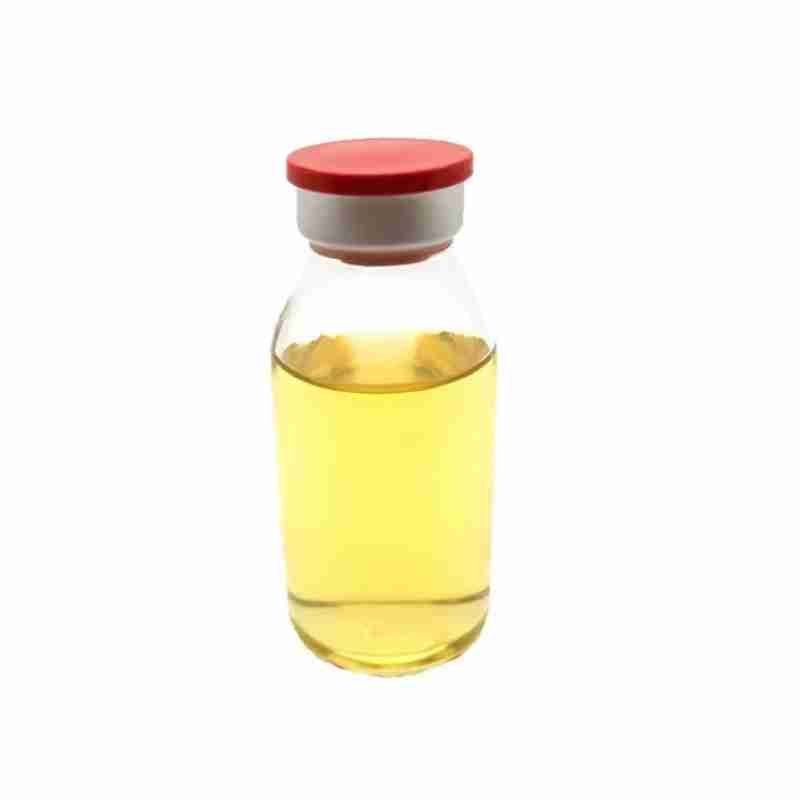
Olive Oil, with a Chemical Abstracts Service (CAS) number of 8001-25-0, is a natural fruit oil obtained from the olive tree. It is renowned for its rich flavor, nutritional benefits, and versatility in culinary uses.



Reviews
There are no reviews yet.