

3,4-Epoxycyclohexylmethyl 3,4-epoxycyclohexanecarboxylate Cas 2386-87-0
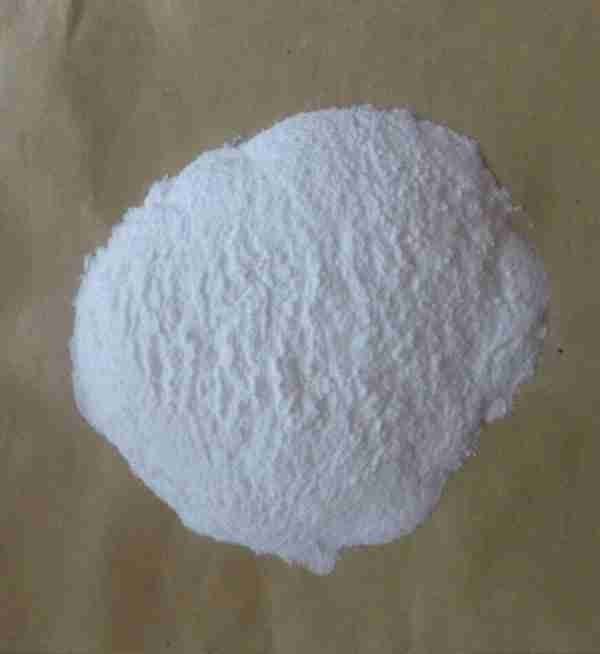
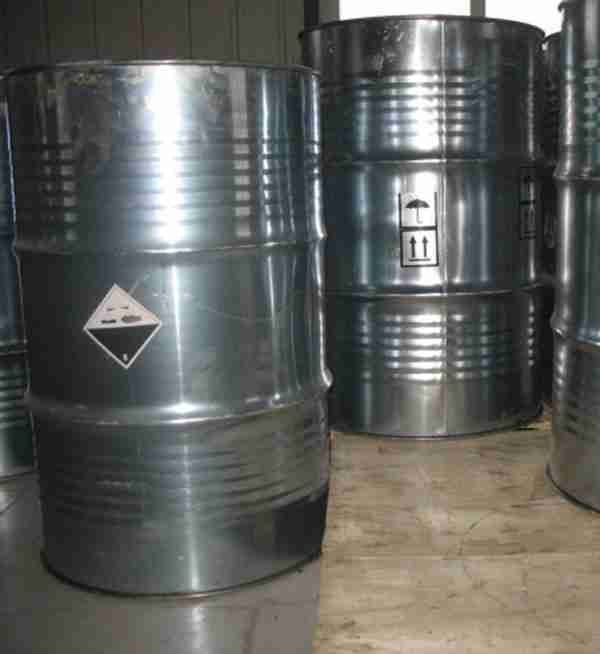
Synonyms: Epoxycyclohexylmethyl-epoxycyclo-hexanecarboxylate
CAS No: 2386-87-0
Molecular Formula: C14H20O4
Molecular Weight: 252.31
Appearance: Colorless transparent liquid, no visible mechanical impurities
Purity: ??97%
related documents:
COA of 3,4-Epoxycyclohexylmethyl 3,4-epoxycyclohexanecarboxylate
TDS of 3,4-Epoxycyclohexylmethyl 3,4-epoxycyclohexanecarboxylate
Request for product documents
Description
3,4-epoxycyclohexylmethyl 3,4-epoxycyclohexanecarboxylate Quick Details
Product Name: 3,4-epoxycyclohexylmethyl 3,4-epoxycyclohexanecarboxylate
Synonyms: epoxycyclohexylmethyl-epoxycyclo-hexanecarboxylate; Cycloaliphatic epoxy resin Daicel Celloxide
CAS No: 2386-87-0
Molecular Formula: C14H20O4
Molecular Weight: 252.31
Appearance: Colorless transparent liquid, no visible mechanical impurities
Purity: ??97%
3,4-epoxycyclohexylmethyl 3,4-epoxycyclohexanecarboxylate Properties
Item
Specifications
Appearance
Colorless transparent liquid, no visible mechanical impurities
Viscosity (CP)
220~450
Epoxy Equivalent
126~135
Colour (Hazen)
??50
Moisture
??0.05%
Purity
??97%
Density, g/ml
1.150~1.180
Total chlorine
??100ppm
3,4-epoxycyclohexylmethyl 3,4-epoxycyclohexanecarboxylate Usage
1)Optical adhesives and photo curing products: such as potting of optoelectronic devices, CD manufacturing, low-viscosity UV-curing printing inks etc.
2)Outdoor electrical and electronic products in electrical casting and electronic encapsulation; especially for insulation encapsulation and adhesive bonding and electronic products for those which request high resistance to Cold Thermal Shock.
3)Outdoor coating and solvent-free coating with better weather resistant than acrylic ?C polyurethane coating.
4)Active diluent: Good dilution effect without bubbles and exudate, high surface finish, No effect on the basic performance of curing material of epoxy resin, such as curing shrinkage, heat distortion temperature, impact strength and tensile strength.
5)Electrical and electronic products, civil construction, anti-corrosion coatings and other general application of bisphenol A epoxy resin. Widely used in casting, winding, encapsulation, coatings, adhesives and other fields.
6)Polyvinyl chloride polycarbonate stabilizer, oil (Lubricating oil, cylinder oil, transformer oil) additives, etc.
3,4-epoxycyclohexylmethyl 3,4-epoxycyclohexanecarboxylate Package
200kg/drum, can also be packaged according to customer agreement.
Related Products
Chemical Name: Potassium Castorate
CAS No.: 8013-05-6
Molecular Formula: C57H107K3O12
Molecular Weight: 1101.74718
Appearance: Yellow Liquid
Silicone oil, known for its chemical designation as dimethicone or polydimethylsiloxane, is a synthetic polymer with a backbone of alternating silicon and oxygen atoms, creating a highly versatile and stable compound. It is renowned for its exceptional lubricating properties, heat resistance, and non-toxic nature, making it a staple in various industries, including cosmetics, automotive, and aerospace.
This hydrophobic, non-volatile oil is valued for its ability to provide a smooth, non-greasy feel and to form stable emulsions with other ingredients. In personal care products, silicone oil is used to impart a silky texture, reduce friction on the skin, and create a protective barrier against environmental stressors without clogging pores.
Silicone oil’s chemical inertness and resistance to oxidation contribute to its long shelf life and stability in formulations. It is also appreciated for its compatibility with a wide range of substances, allowing for the creation of multifunctional products.
In summary, silicone oil is a reliable and multifaceted ingredient, offering a combination of performance, safety, and sensory benefits. Its use in a variety of applications reflects its versatility and enduring appeal in the marketplace.
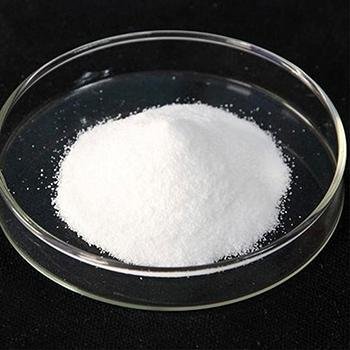
Chemical Name: UV-120
Other Name: (2’,4’-Di-tert-butylphenyl 3,5-di-tert-butyl-4-hydroxybenzoate)
CAS No.: 4221-80-1
Molecular Fomula: C29H42O3
Molecular weight: 438.66
Assay: ≥99%(LC)

Chemical Name: Ammonium Iron(II) Sulfate
Synonyms: Diammonium iron bis(sulphate); iron (ii) ammonium sulfate
CAS No.: 10045-89-3
Molecular Formula: FeH5NO4S
Molecular Weight: 170.95

Terpene resin is a type of natural resin derived from terpenes, which are organic compounds found in various plants. It is known for its aromatic properties and is commonly used in the production of fragrances, flavorings, and as a component in adhesives and coatings within the chemical industry. Terpene resin offers a range of benefits, including enhancing the solubility of essential oils and providing a stable base for various applications. Its natural origin makes it a preferred choice for eco-friendly products.


Octocrylene is an organic compound widely recognized for its potent UV-filtering properties, making it an essential ingredient in sunscreens and other skincare products designed to protect the skin from harmful ultraviolet radiation. With the chemical name 2-(4-Methylbenzyl)-2H-benzotriazole-5-methyl, octocrylene is a stable and photostable molecule that provides broad-spectrum protection against both UVA and UVB rays.
This oil-soluble chemical is valued for its ability to absorb UV radiation effectively, converting it into heat without causing skin irritation or staining clothes. Octocrylene is often used in combination with other UV filters to enhance the sun protection factor (SPF) of formulations, ensuring a balanced and comprehensive defense against sun damage.
As a lipophilic compound, octocrylene is compatible with various cosmetic and dermatological formulations, contributing to the development of lightweight, non-greasy sunscreens. Its chemical structure allows for a high degree of safety and efficacy, making it suitable for a wide range of skin types, including sensitive skin.
In summary, octocrylene is a reliable and efficient UV filter, pivotal in the formulation of modern sunscreens that offer advanced protection against the sun’s harmful effects while maintaining skin comfort and product aesthetics.
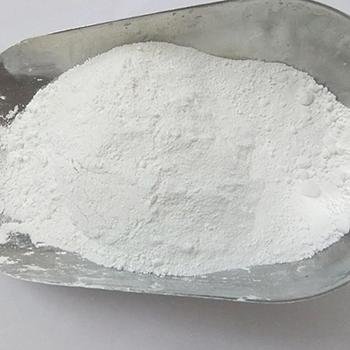
Product name:Cyclopentane
Purity:96%
Appearance:White powder
Package:25kg/bag
Sample:Available
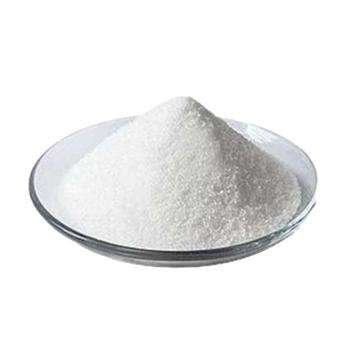
Chemical Name: 3-Hydroxybutyric acid
CAS No.: 625-71-8
Molecular Formula: C4H8O3
Molecular Weight: 104.1
Appearance: White powder
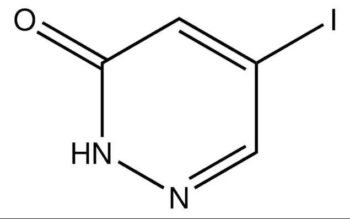
Common English name: 5-iodo-2,3-dihydropyridazin-3-one
CAS No.: 825633-94-1
Molecular formula: C4H3IN2O
Molecular weight: 221.98
Sample: Available
POLY(VINYL CHLORIDE-CO-ISOBUTYL VINYL ETHER) is a copolymer that combines the properties of vinyl chloride and isobutyl vinyl ether. This polymer offers a balance of rigidity and flexibility, along with enhanced chemical resistance and durability. It is commonly used in the production of films, coatings, and adhesives due to its excellent barrier properties against gases and moisture, making it ideal for packaging and construction applications.

Ethylhexyl Palmitate is a skin-conditioning ester, derived from ethylhexanol and palmitic acid, that imparts moisturization and a smooth texture to cosmetic and personal care formulations. It is valued for its emollient properties, enhancing the sensory experience of skin care products.
Chemical Name: Imazalil Sulfate
CAS No.: 58594-72-2
Molecular Formula: C14H14Cl2N2O.H2SO4
Molecular Weight: 395.26
Appearance: Solid



Reviews
There are no reviews yet.