

3,4-Epoxycyclohexylmethyl 3,4-epoxycyclohexanecarboxylate Cas 2386-87-0
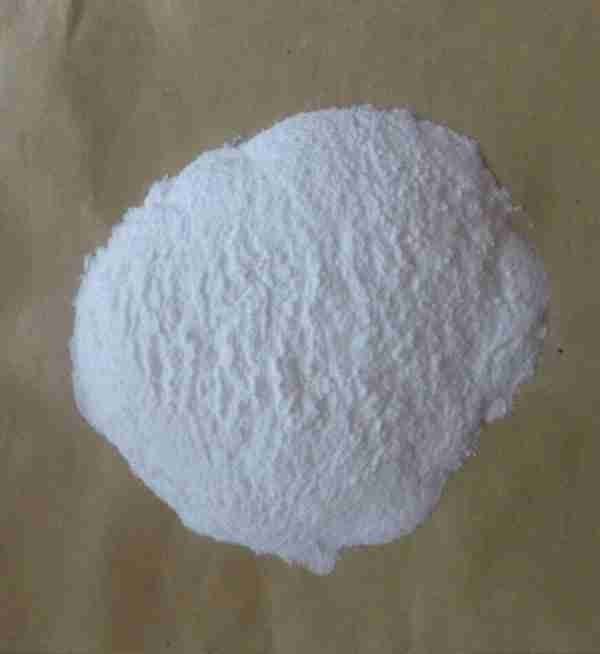
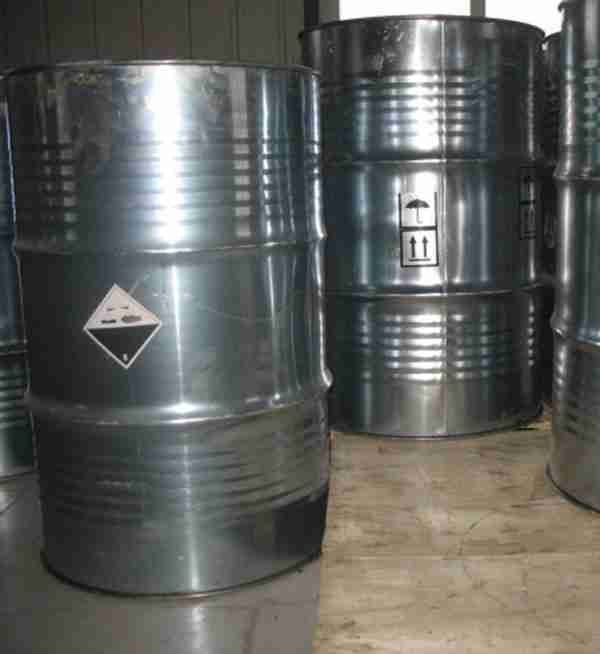
Synonyms: Epoxycyclohexylmethyl-epoxycyclo-hexanecarboxylate
CAS No: 2386-87-0
Molecular Formula: C14H20O4
Molecular Weight: 252.31
Appearance: Colorless transparent liquid, no visible mechanical impurities
Purity: ??97%
related documents:
COA of 3,4-Epoxycyclohexylmethyl 3,4-epoxycyclohexanecarboxylate
TDS of 3,4-Epoxycyclohexylmethyl 3,4-epoxycyclohexanecarboxylate
Request for product documents
Description
3,4-epoxycyclohexylmethyl 3,4-epoxycyclohexanecarboxylate Quick Details
Product Name: 3,4-epoxycyclohexylmethyl 3,4-epoxycyclohexanecarboxylate
Synonyms: epoxycyclohexylmethyl-epoxycyclo-hexanecarboxylate; Cycloaliphatic epoxy resin Daicel Celloxide
CAS No: 2386-87-0
Molecular Formula: C14H20O4
Molecular Weight: 252.31
Appearance: Colorless transparent liquid, no visible mechanical impurities
Purity: ??97%
3,4-epoxycyclohexylmethyl 3,4-epoxycyclohexanecarboxylate Properties
Item
Specifications
Appearance
Colorless transparent liquid, no visible mechanical impurities
Viscosity (CP)
220~450
Epoxy Equivalent
126~135
Colour (Hazen)
??50
Moisture
??0.05%
Purity
??97%
Density, g/ml
1.150~1.180
Total chlorine
??100ppm
3,4-epoxycyclohexylmethyl 3,4-epoxycyclohexanecarboxylate Usage
1)Optical adhesives and photo curing products: such as potting of optoelectronic devices, CD manufacturing, low-viscosity UV-curing printing inks etc.
2)Outdoor electrical and electronic products in electrical casting and electronic encapsulation; especially for insulation encapsulation and adhesive bonding and electronic products for those which request high resistance to Cold Thermal Shock.
3)Outdoor coating and solvent-free coating with better weather resistant than acrylic ?C polyurethane coating.
4)Active diluent: Good dilution effect without bubbles and exudate, high surface finish, No effect on the basic performance of curing material of epoxy resin, such as curing shrinkage, heat distortion temperature, impact strength and tensile strength.
5)Electrical and electronic products, civil construction, anti-corrosion coatings and other general application of bisphenol A epoxy resin. Widely used in casting, winding, encapsulation, coatings, adhesives and other fields.
6)Polyvinyl chloride polycarbonate stabilizer, oil (Lubricating oil, cylinder oil, transformer oil) additives, etc.
3,4-epoxycyclohexylmethyl 3,4-epoxycyclohexanecarboxylate Package
200kg/drum, can also be packaged according to customer agreement.
Related Products
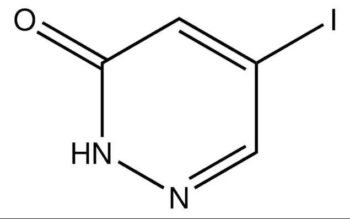
Common English name: 5-iodo-2,3-dihydropyridazin-3-one
CAS No.: 825633-94-1
Molecular formula: C4H3IN2O
Molecular weight: 221.98
Sample: Available

Chemical Name: Ashwagandha Extract
Synonyms: Withania somnifera, ext.; Withania Somnefera Extract
CAS: 90147-43-6
Appearance: Brown
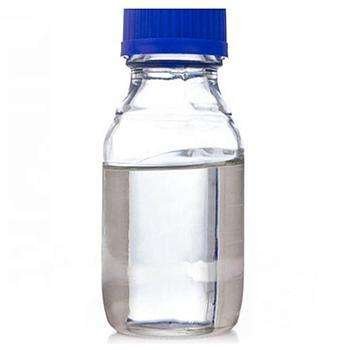
Chemical Name: STODDARD SOLVENT
CAS No.: 64742-88-7
Appearance: Colorless or Light Yellow Liquid
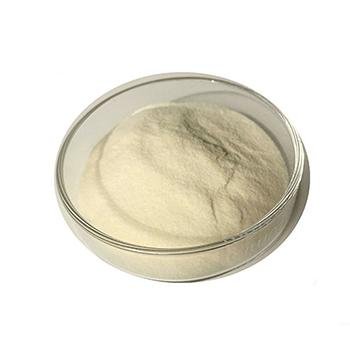
Chemical Name: Quercetin-3-O-sophoroside
CAS No.: 18609-17-1
Molecular Formula: C27H30O17
Molecular Weight: 626.52

N,N-Dimethylaniline is an organic compound with amine and methyl groups attached to a benzene ring. It is a colorless liquid with a characteristic amine odor. This compound is primarily used as a chemical intermediate in the synthesis of dyes, pigments, and polymers. Its reactivity makes it a valuable building block in the production of various organic compounds, particularly in the pharmaceutical and chemical industries.
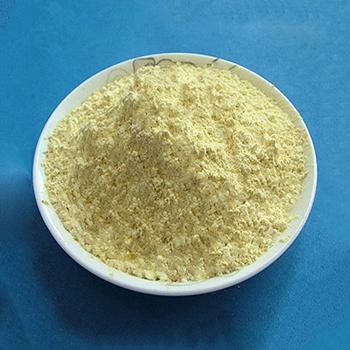
Product name:HYDROXYPROPYL GUAR HYDROXYPROPYLTRIMONIUM CHLORIDE
Purity:99%
Appearance:Light Yellow Powder
Package:Customized according to customer needs.
Sample:Available
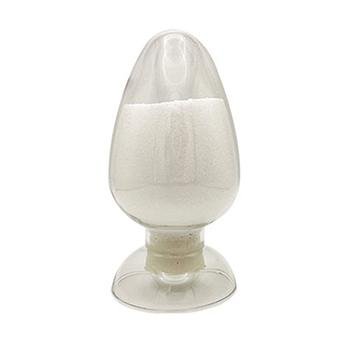
Chemical Name: Imazalil Sulfate
CAS No.: 58594-72-2
Molecular Formula: C14H14Cl2N2O.H2SO4
Molecular Weight: 395.26
Appearance: Solid
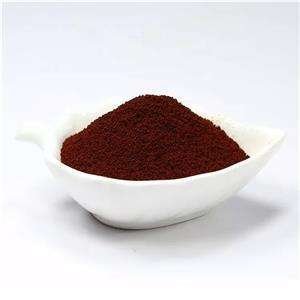
Chemical Name: Choline salicylate
CAS No.: 2016-36-6
Molecular Formula: C12H19NO4
Molecular Weight: 241.28
Appearance: Red-Brown Crystal
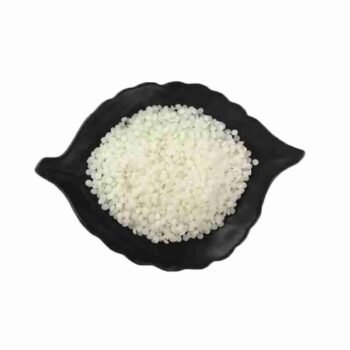
Tetraacetylethylenediamine is a fully acetylated derivative of ethylenediamine, offering a high reactivity as an intermediate in organic synthesis. Its unique structure makes it a critical component in the production of specialty chemicals and pharmaceuticals, ensuring a wide range of applications in the chemical industry.
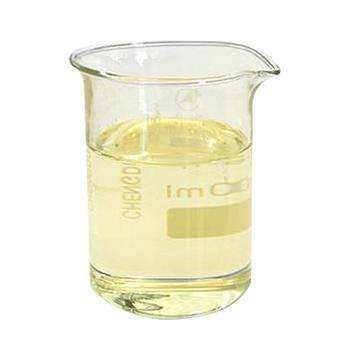
Chemical Name: Potassium Castorate
CAS No.: 8013-05-6
Molecular Formula: C57H107K3O12
Molecular Weight: 1101.74718
Appearance: Yellow Liquid

Chemical Name: 1,1,2,2-Tetrachloroethane
Other Name: Tetrachlorethane
CAS No.: 79-34-5
Molecular Formula: C2H2Cl4
Molecular Weight: 167.85
Appearance: Liquid
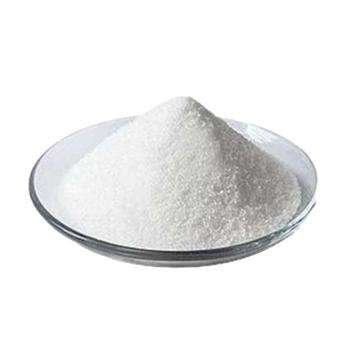
Chemical Name: 3-Hydroxybutyric acid
CAS No.: 625-71-8
Molecular Formula: C4H8O3
Molecular Weight: 104.1
Appearance: White powder



Reviews
There are no reviews yet.