

3-O-Ethyl-L-ascorbic acid CAS#86404-04-8

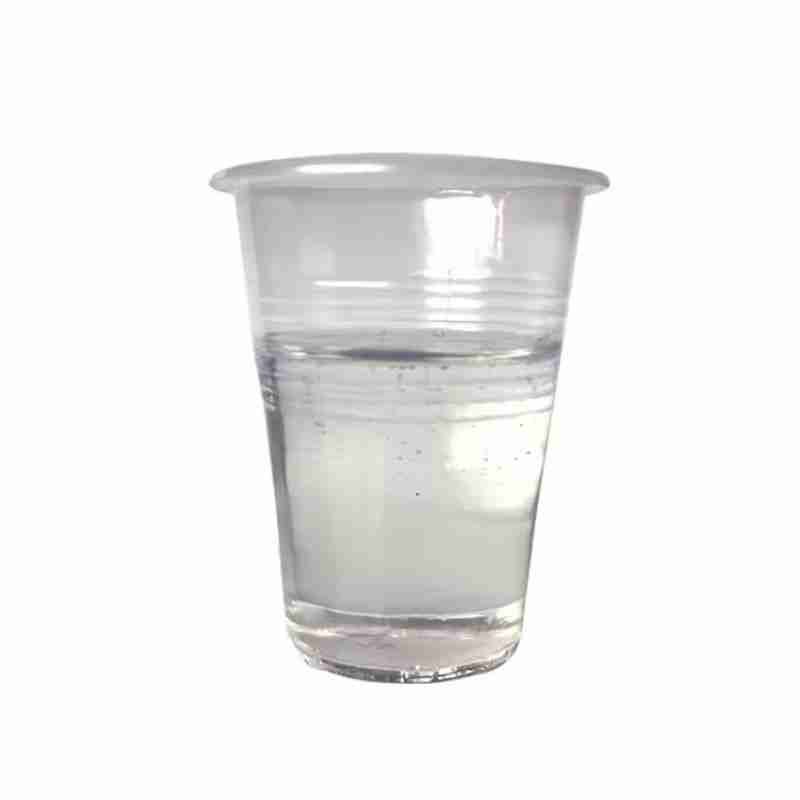
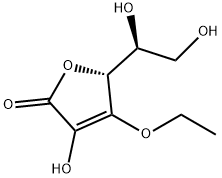
3-O-Ethyl ascorbic acid ether, also called VC ethyl ether, is an ascorbic acid derivative. Ascorbic acid is a naturally occurring antioxidant and free radical scavenger, a reducing agent in the conversion process of biological enzymes, and has a preventive effect on some chronic diseases (cancer, diabetes and allergic skin diseases). From the molecular structure of ascorbic acid, it can be seen that compared to the 2-position enol hydroxyl group, the 3-position enol hydroxyl group has higher activity on electrophiles, and it is the product of 3-O-alkylation during O-alkylation modification. Mainly. 3-O-Ethyl ascorbate ether is a product of ascorbic acid-3-O-ethylation. It has a simple molecular structure and is easily absorbed by the skin. After entering the dermis through the stratum corneum of the skin, it is easily decomposed by the biological enzymes in the human body. The effect of ascorbic acid effectively solves the fat solubility problem of ascorbic acid, and is widely used in cosmetics as a whitening agent and antioxidant.
3-O-Ethyl-L-ascorbic acid CAS#86404-04-8
| 3-O-Ethyl-L-ascorbic acid Basic information |
| Product Name: | 3-O-Ethyl-L-ascorbic acid |
| Synonyms: | 3-O-Ethyl-L-ascorbic Acid;3-o-ethyl-l-ascorbic acid;3-O-ETHYLASCORBICACID;(5R,1’S)-5-(1,2-Dihydroxy-ethyl)-4-ethoxy-3-hydroxy-5H-furan-2-one;(5R)-5-(1,2-dihydroxyethyl)-4-ethoxy-3-hydroxy-2,5-dihydrofuran-2-one;(5R)-5-[(1S)-1,2-dihydroxyethyl]-4-ethoxy-3-hydroxyfuran-2(5H)-one (non-preferred naMe);3-O-Ethyl vitaMin C ester;Only VCE |
| CAS: | 86404-04-8 |
| MF: | C8H12O6 |
| MW: | 204.18 |
| EINECS: | 617-849-3 |
| Product Categories: | Vitamine C derivative;API;86404-04-8 |
| Mol File: | 86404-04-8.mol |
 |
|
| 3-O-Ethyl-L-ascorbic acid Chemical Properties |
| Melting point | 112.0 to 116.0 ??C |
| Boiling point | 551.5??50.0 ??C(Predicted) |
| density | 1.46??0.1 g/cm3(Predicted) |
| vapor pressure | 0-0Pa at 20-25?? |
| storage temp. | Sealed in dry,2-8??C |
| solubility | Methanol (Slightly), Water (Slightly) |
| pka | 8.89??0.40(Predicted) |
| form | Solid |
| color | White to Off-White |
| InChI | InChI=1S/C8H12O6/c1-2-13-7-5(11)8(12)14-6(7)4(10)3-9/h4,6,9-11H,2-3H2,1H3/t4-,6+/m0/s1 |
| InChIKey | ZGSCRDSBTNQPMS-UJURSFKZSA-N |
| SMILES | O(CC)C1=C(O)C(=O)O[C@@H]1[C@H](CO)O |
| LogP | -0.8–0.64 at 20-25?? and pH7 |
| Surface tension | 69-72.4mN/m at 1g/L and 20?? |
| Safety Information |
| HS Code | 2936.27.0000 |
Related Products
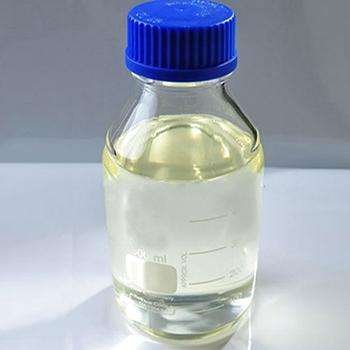
Chemical Name: 1,1,2,2-Tetrachloroethane
Other Name: Tetrachlorethane
CAS No.: 79-34-5
Molecular Formula: C2H2Cl4
Molecular Weight: 167.85
Appearance: Liquid
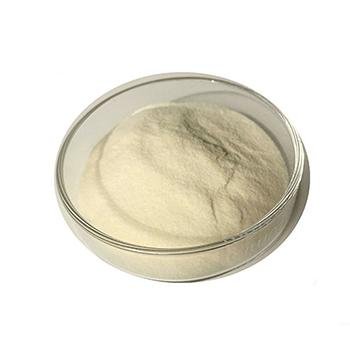
Chemical Name: Quercetin-3-O-sophoroside
CAS No.: 18609-17-1
Molecular Formula: C27H30O17
Molecular Weight: 626.52

Butylated Hydroxytoluene (BHT) is a synthetic phenolic antioxidant commonly added to foods, cosmetics, and packaging to prevent the oxidation of fats and oils, thereby extending their shelf life. It is also used as a preservative in a variety of products, including rubber, petroleum products, and animal feed. BHT is recognized for its effectiveness in maintaining nutrient levels, color, flavor, and odor in food products . It is known to have a melting point of 69-71??C, a boiling point of 265??C, and is soluble in ethanol, acetone, and benzene, but not in water, glycerin, or propylene glycol . BHT is also used in some dietary supplements due to its antioxidant properties . However, it is important to handle BHT with care, as it can cause skin irritation and is considered harmful if swallowed .

Ethylhexyl Palmitate is a skin-conditioning ester, derived from ethylhexanol and palmitic acid, that imparts moisturization and a smooth texture to cosmetic and personal care formulations. It is valued for its emollient properties, enhancing the sensory experience of skin care products.
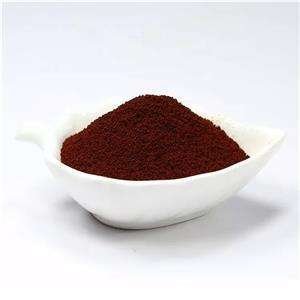
Chemical Name: Choline salicylate
CAS No.: 2016-36-6
Molecular Formula: C12H19NO4
Molecular Weight: 241.28
Appearance: Red-Brown Crystal
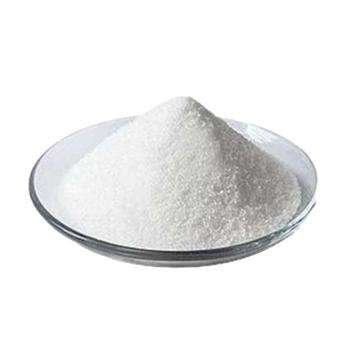
Chemical Name: 3-Hydroxybutyric acid
CAS No.: 625-71-8
Molecular Formula: C4H8O3
Molecular Weight: 104.1
Appearance: White powder
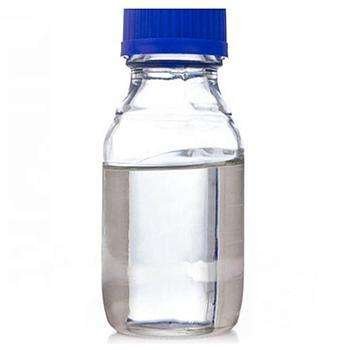
Chemical Name: STODDARD SOLVENT
CAS No.: 64742-88-7
Appearance: Colorless or Light Yellow Liquid
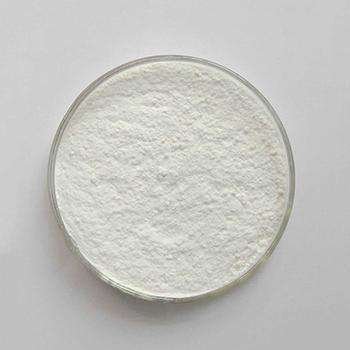
Chemical Name: Zinc citrate
Synonyms: Zinc citrate trihydrate
CAS No.: 546-46-3
Molecular Formula: C6H8O7Zn
Molecular Weight: 257.5
Appearance: White powder
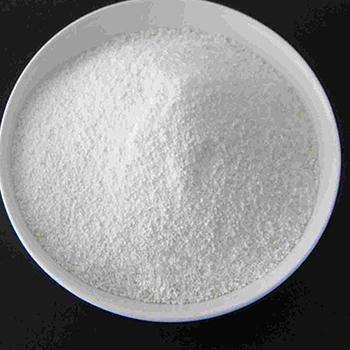
Chemical Name: Dehydrocholic acid
Synonyms: Acide dehydrocholique; Triketocholanic acid
CAS No.: 81-23-2
Molecular Formula: C24H34O5
Molecular Weight: 402.53
Appearance: Powder
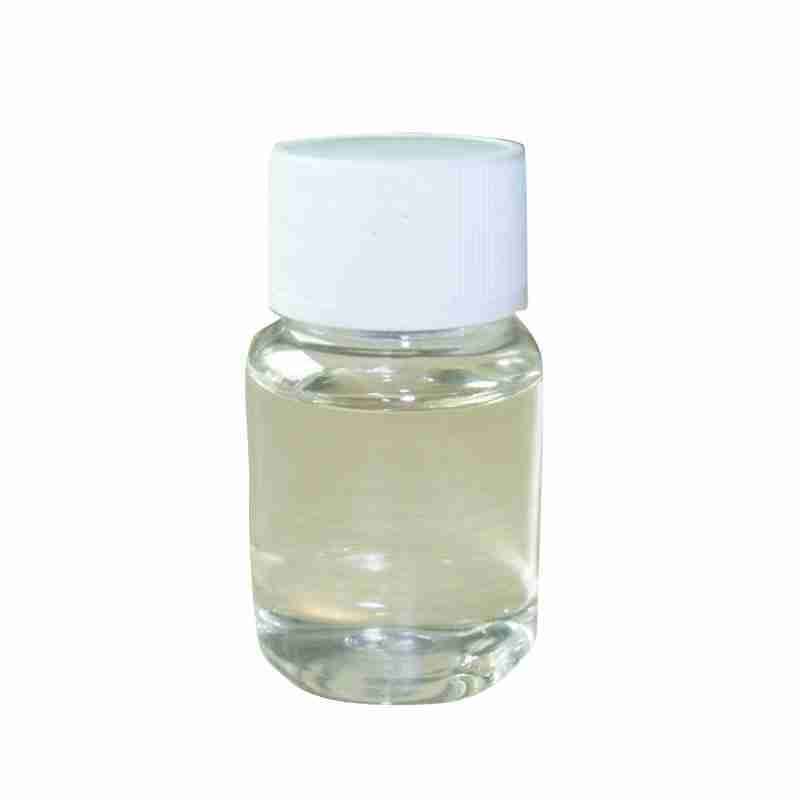
3,4-Ethylenedioxythiophene is a synthetic organic compound characterized by its unique structure that includes a thiophene ring with ethylenedioxy substituents at the 3 and 4 positions. This compound is known for its potential applications in the synthesis of various organic materials, including pharmaceuticals and organic electronic devices such as sensors and solar cells. Its stability and reactivity make it a versatile intermediate in the chemical industry.
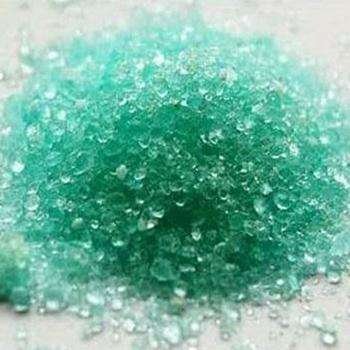
Chemical Name: Ammonium Iron(II) Sulfate
Synonyms: Diammonium iron bis(sulphate); iron (ii) ammonium sulfate
CAS No.: 10045-89-3
Molecular Formula: FeH5NO4S
Molecular Weight: 170.95
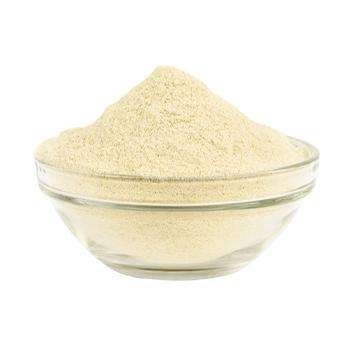
Chemical Name: Arabic gum
CAS No.: 9000-01-5
Appearance: powder


