
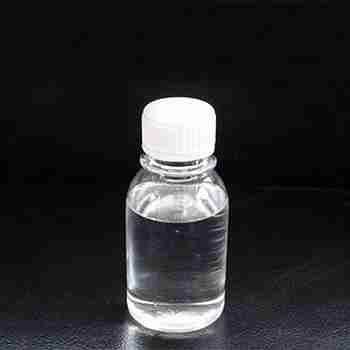
3-Chloropropyltrichlorosilane Cas 2550-06-3
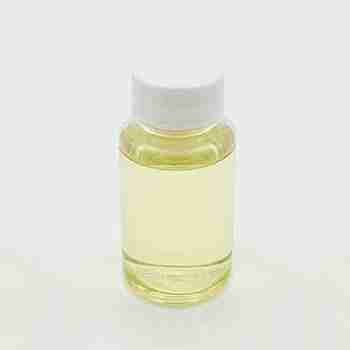
Chemical Name: 3-Chloropropyltrichlorosilane
Synonyms: Trichloro(3-chloropropyl)silane; g-chloropropyltrichlorosilane; gamma-chloropropyl trichlorosilane
CAS No.: 2550-06-3
Molecular Fomula: C3H6Cl4Si
Molecular weight:?211.98
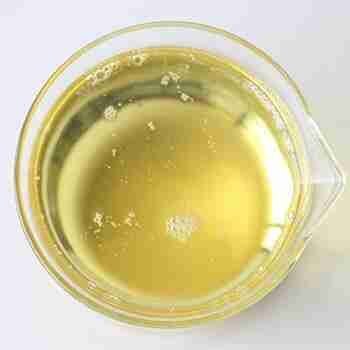
Appearance:?Colorless to almost colorless liquid
Assay??99.2%
Description
3-ChloropropyltrichlorosilaneQuick Details
Chemical Name: 3-Chloropropyltrichlorosilane
Synonyms: Trichloro(3-chloropropyl)silane; g-chloropropyltrichlorosilane; gamma-chloropropyl trichlorosilane
CAS No.: 2550-06-3
Molecular Fomula: C3H6Cl4Si
Chemical Structure:
Molecular weight:?211.98
Appearance:?Colorless to almost colorless liquid
Assay??99.2%
3-Chloropropyltrichlorosilane?Typical Properties
ITEMS
SPECIFICATION
Appearance
colorless transparent liquid
Low boiling content, %
??0.5
??1 content, %
??99.2
High boiling content,%
??0.3
3-Chloropropyltrichlorosilane?application:
3-Chloropropyltrichlorosilane?was used as the main raw material for manufacturing silane coupling agent series products.
3-Chloropropyltrichlorosilane?Packaging and Shipping
customized according to customer needs.
3-Chloropropyltrichlorosilane?Storage
It should be stored in Inert atmosphere,Room Temperature.
Related Products

Chemical Name: Imazalil Sulfate
CAS No.: 58594-72-2
Molecular Formula: C14H14Cl2N2O.H2SO4
Molecular Weight: 395.26
Appearance: Solid
Chemical Name: 3-Hydroxybutyric acid
CAS No.: 625-71-8
Molecular Formula: C4H8O3
Molecular Weight: 104.1
Appearance: White powder

Succinimide is a heterocyclic organic compound and an important industrial chemical. It serves as a key intermediate in the synthesis of various pharmaceuticals, agrochemicals, and other specialty chemicals. Known for its reactivity and versatility, succinimide is widely used in the production of succinic anhydride, a precursor to many polymers and plasticizers, highlighting its significance in the chemical industry.

Chemical Name: Choline salicylate
CAS No.: 2016-36-6
Molecular Formula: C12H19NO4
Molecular Weight: 241.28
Appearance: Red-Brown Crystal

Butylated Hydroxytoluene (BHT) is a synthetic phenolic antioxidant commonly added to foods, cosmetics, and packaging to prevent the oxidation of fats and oils, thereby extending their shelf life. It is also used as a preservative in a variety of products, including rubber, petroleum products, and animal feed. BHT is recognized for its effectiveness in maintaining nutrient levels, color, flavor, and odor in food products . It is known to have a melting point of 69-71??C, a boiling point of 265??C, and is soluble in ethanol, acetone, and benzene, but not in water, glycerin, or propylene glycol . BHT is also used in some dietary supplements due to its antioxidant properties . However, it is important to handle BHT with care, as it can cause skin irritation and is considered harmful if swallowed .
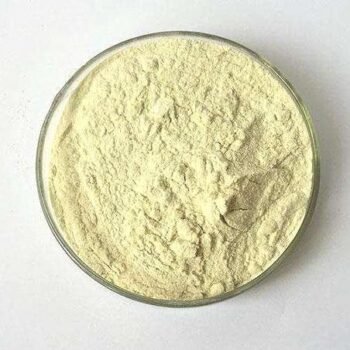
Chemical Name: o-Xylene
Synonyms: 1,2-Dimethylbenzene; ortho-xylene
CAS No.: 95-47-6
Molecular Formula: C8H10
Molecular Weight: 106.17
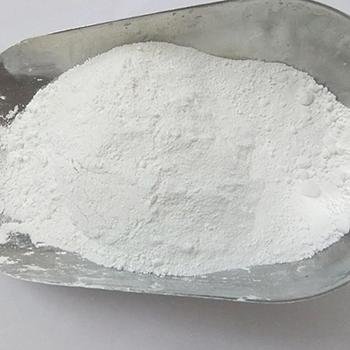
Product name:Cyclopentane
Purity:96%
Appearance:White powder
Package:25kg/bag
Sample:Available

Chemical Name: 1,1,2,2-Tetrachloroethane
Other Name: Tetrachlorethane
CAS No.: 79-34-5
Molecular Formula: C2H2Cl4
Molecular Weight: 167.85
Appearance: Liquid

Common English name: 5-iodo-2,3-dihydropyridazin-3-one
CAS No.: 825633-94-1
Molecular formula: C4H3IN2O
Molecular weight: 221.98
Sample: Available
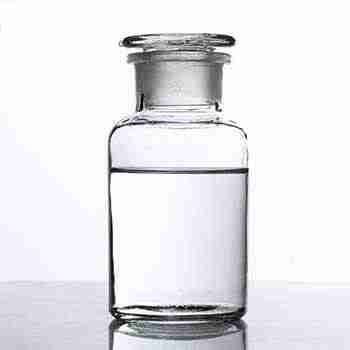
1-Octanol, also known as Capryl alcohol or n-Octanol, is a clear, colorless liquid with a characteristic waxy odor. It is an alcohol with eight carbon atoms in its chain, making it a part of the aliphatic alcohol family. This compound is poorly soluble in water but is miscible with ethanol, diethyl ether, and chloroform . It has a melting point of approximately -15??C and a boiling point of around 196??C . 1-Octanol is used in the production of esters, plasticizers, and as a solvent or intermediate in the synthesis of various organic compounds. It also finds application in the fragrance industry as a fixative in perfumes and can be used in the formulation of flavor and scent compositions . It is important to note that 1-Octanol is flammable and should be handled with care, storing it away from sources of ignition and heat .
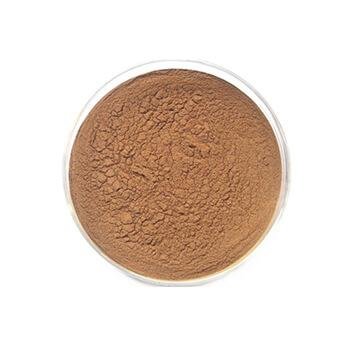
Chemical Name: Ashwagandha Extract
Synonyms: Withania somnifera, ext.; Withania Somnefera Extract
CAS: 90147-43-6
Appearance: Brown

Chemical Name: Potassium Castorate
CAS No.: 8013-05-6
Molecular Formula: C57H107K3O12
Molecular Weight: 1101.74718
Appearance: Yellow Liquid




Reviews
There are no reviews yet.