
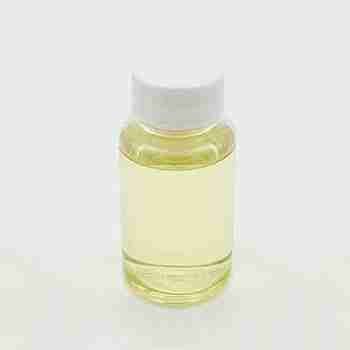
3-Allyloxy-1,2-Propanediol Cas 123-34-2
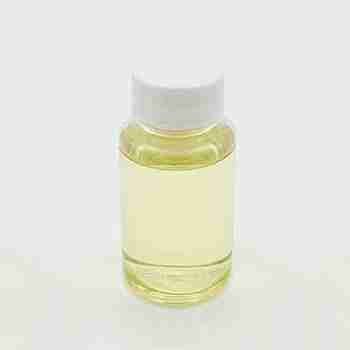
Appearance: Colorless to light yellow clear liquid
Packing: 25kg/drum,200kg/drum
Sample: Available
?
related documents:
COA of 3-Allyloxy-1,2-Propanediol Cas 123-34-2
TDS of 3-Allyloxy-1,2-Propanediol Cas 123-34-2
SDS of 3-Allyloxy-1,2-Propanediol Cas 123-34-2
Request for product documents
Description
3-allyloxy-1,2-propanediol
3-Allyloxy-1,2-Propanediol Quick Details
Product Name: 3-allyloxy-1,2-propanediol
CAS: 123-34-2
Formula: C6H12O3
Molecular Weight: 132.16
Appearance: Colorless to light yellow clear liquid
Structure:
3-allyloxy-1,2-propanediol Typical Properties
Item
Specifications
Appearance
Clear colorless to light yellow liquid
Purity (By GC)
??98%
Water(KF-titr)
??0.2%
?
3-allyloxy-1,2-propanediol Usage
Product Features:
GAE combines a reactive double bond and two active hydroxyl groups in one molecule. It can be used in the synthesis of polyester, polyurethane, polyacetal and epoxy resin. The allyl group in its structure can be copolymerized with vinyl monomers such as acrylate, methacrylate or styrene.
GAE can be grafted to the polyurethane segment through two hydroxyl groups. At this time, the polyurethane segment will have an active allyl group, which can be cured by ultraviolet light, electron beam, peroxide, air or sulfur. GAE is particularly suitable for the production of unsaturated resins for ultraviolet radiation curing. At present, the conventional introduction of double bonds is terminated by (meth) hydroxy acrylate. The prepolymer prepared by this method has a small molecular weight, while GAE introduces double bonds through chain extension without affecting the use of ethylene diamine. After chain extension, it can bring higher molecular weight, and better molecular weight brings better flexibility and film-forming properties.
It can be used as the introduction monomer of unsaturated double bond in unsaturated polyester polyurethane rubber to make vulcanization proceed. It is also used for coating and improving the mechanical properties of polyvinyl chloride.
UV polyester, UV polyurethane, UV epoxy, etc.
3-allyloxy-1,2-propanediol Packaging and Shipping:
Packing: 25kg/drum,200kg/drum
3-allyloxy-1,2-propanediol Storage
Stored in a cool dry place out of direct sunlight.
Related Products
Tetraacetylethylenediamine is a fully acetylated derivative of ethylenediamine, offering a high reactivity as an intermediate in organic synthesis. Its unique structure makes it a critical component in the production of specialty chemicals and pharmaceuticals, ensuring a wide range of applications in the chemical industry.

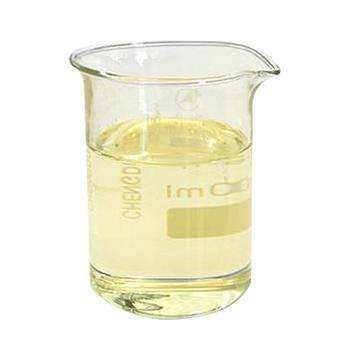
Product name:Cyclopentane
Purity:96%
Appearance:White powder
Package:25kg/bag
Sample:Available
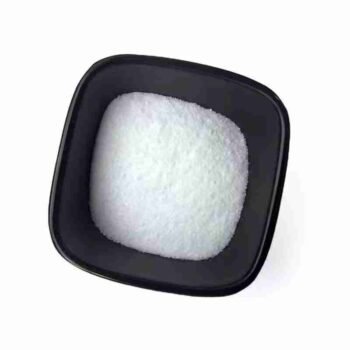
Chemical Name: Potassium Castorate
CAS No.: 8013-05-6
Molecular Formula: C57H107K3O12
Molecular Weight: 1101.74718
Appearance: Yellow Liquid
POLY(VINYL CHLORIDE-CO-ISOBUTYL VINYL ETHER) is a copolymer that combines the properties of vinyl chloride and isobutyl vinyl ether. This polymer offers a balance of rigidity and flexibility, along with enhanced chemical resistance and durability. It is commonly used in the production of films, coatings, and adhesives due to its excellent barrier properties against gases and moisture, making it ideal for packaging and construction applications.
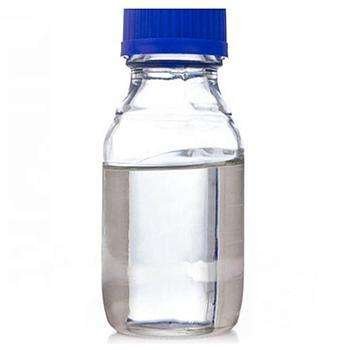
Chemical Name: STODDARD SOLVENT
CAS No.: 64742-88-7
Appearance: Colorless or Light Yellow Liquid
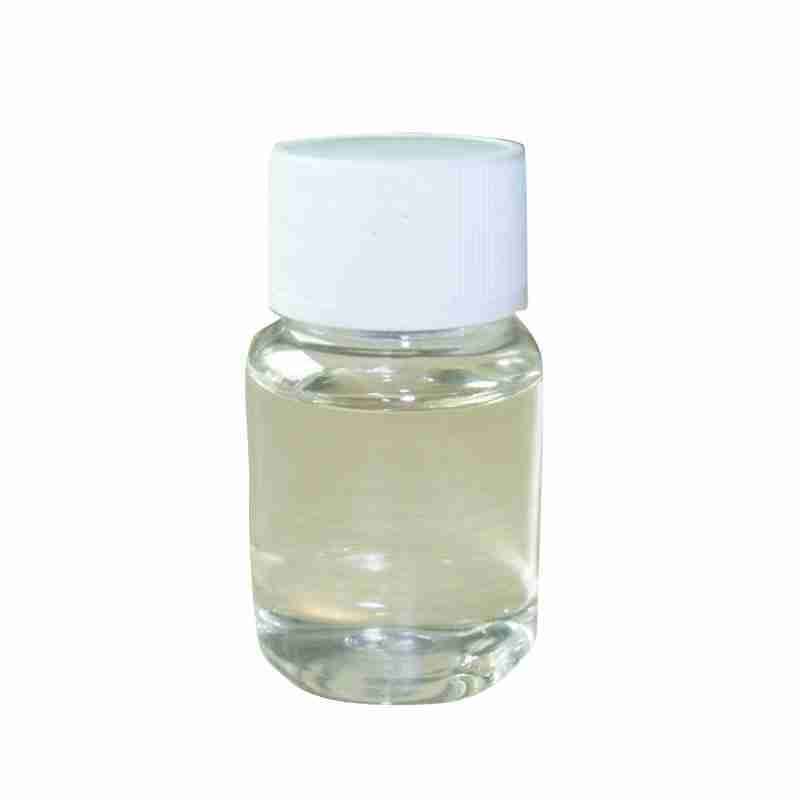
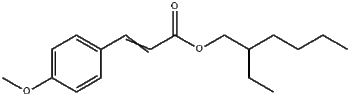
Octyl 4-methoxycinnamate, scientifically known as 2-Ethylhexyl 4-Methoxycinnamate, is a highly effective organic UV filter commonly used in the formulation of sunscreens and cosmetic products. This compound is renowned for its ability to absorb ultraviolet B (UVB) radiation, providing a reliable defense against the sun’s harmful effects on the skin.
Characterized by its chemical formula C19H28O3, Octyl 4-methoxycinnamate is a liquid ester that is readily soluble in organic solvents. It is valued for its photostability, which means it maintains its protective properties even after prolonged exposure to sunlight. This feature makes it an ideal ingredient for products designed to offer long-lasting sun protection.
In addition to its UVB absorption capabilities, Octyl 4-methoxycinnamate is also appreciated for its compatibility with other UV filters, allowing for the creation of broad-spectrum sunscreens. It contributes to the development of formulations that are non-greasy and cosmetically elegant, suitable for a variety of skin types.
As a key component in sun care products, Octyl 4-methoxycinnamate supports the skin’s health by preventing sunburn, reducing the risk of skin cancer, and delaying the signs of photoaging. Its safety profile and efficacy make it a preferred choice in the personal care and dermatological industries for sun protection solutions.

Chemical Name: 1,1,2,2-Tetrachloroethane
Other Name: Tetrachlorethane
CAS No.: 79-34-5
Molecular Formula: C2H2Cl4
Molecular Weight: 167.85
Appearance: Liquid

Chemical Name: Zinc citrate
Synonyms: Zinc citrate trihydrate
CAS No.: 546-46-3
Molecular Formula: C6H8O7Zn
Molecular Weight: 257.5
Appearance: White powder
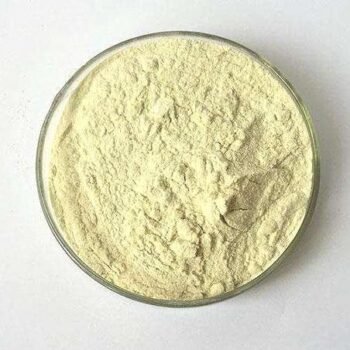
Chemical Name: o-Xylene
Synonyms: 1,2-Dimethylbenzene; ortho-xylene
CAS No.: 95-47-6
Molecular Formula: C8H10
Molecular Weight: 106.17

Ethylhexyl Palmitate is a skin-conditioning ester, derived from ethylhexanol and palmitic acid, that imparts moisturization and a smooth texture to cosmetic and personal care formulations. It is valued for its emollient properties, enhancing the sensory experience of skin care products.
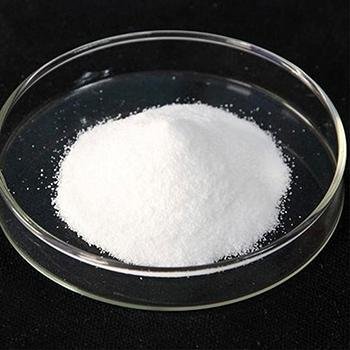
Chemical Name: UV-120
Other Name: (2’,4’-Di-tert-butylphenyl 3,5-di-tert-butyl-4-hydroxybenzoate)
CAS No.: 4221-80-1
Molecular Fomula: C29H42O3
Molecular weight: 438.66
Assay: ≥99%(LC)
3,4-Ethylenedioxythiophene is a synthetic organic compound characterized by its unique structure that includes a thiophene ring with ethylenedioxy substituents at the 3 and 4 positions. This compound is known for its potential applications in the synthesis of various organic materials, including pharmaceuticals and organic electronic devices such as sensors and solar cells. Its stability and reactivity make it a versatile intermediate in the chemical industry.



Reviews
There are no reviews yet.