

2-(2-[4-(1,1,3,3-Tetramethylbutyl)phenoxy]ethoxy)ethanol CAS#9036-19-5
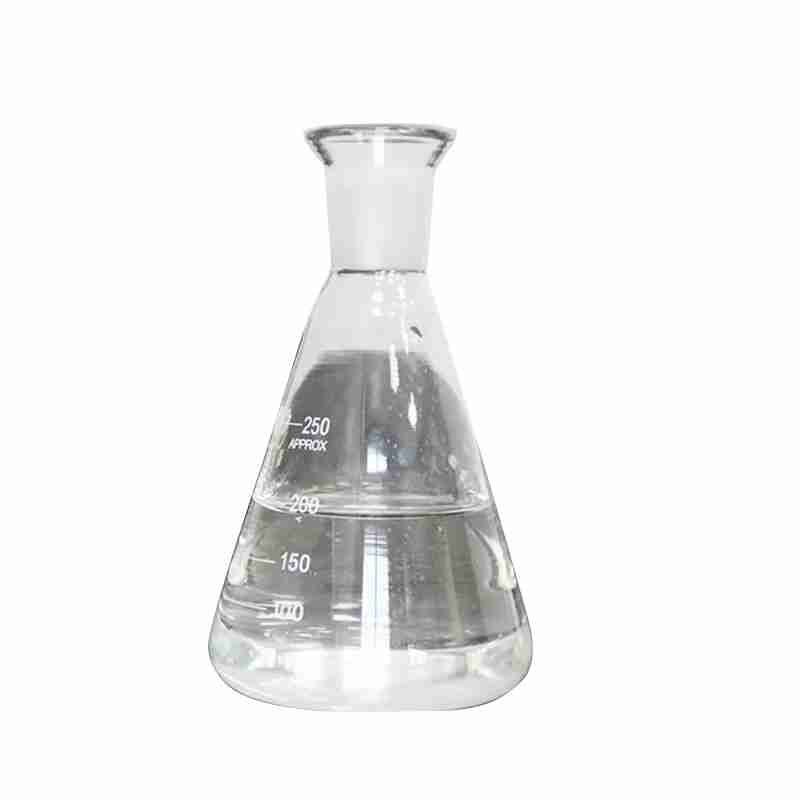

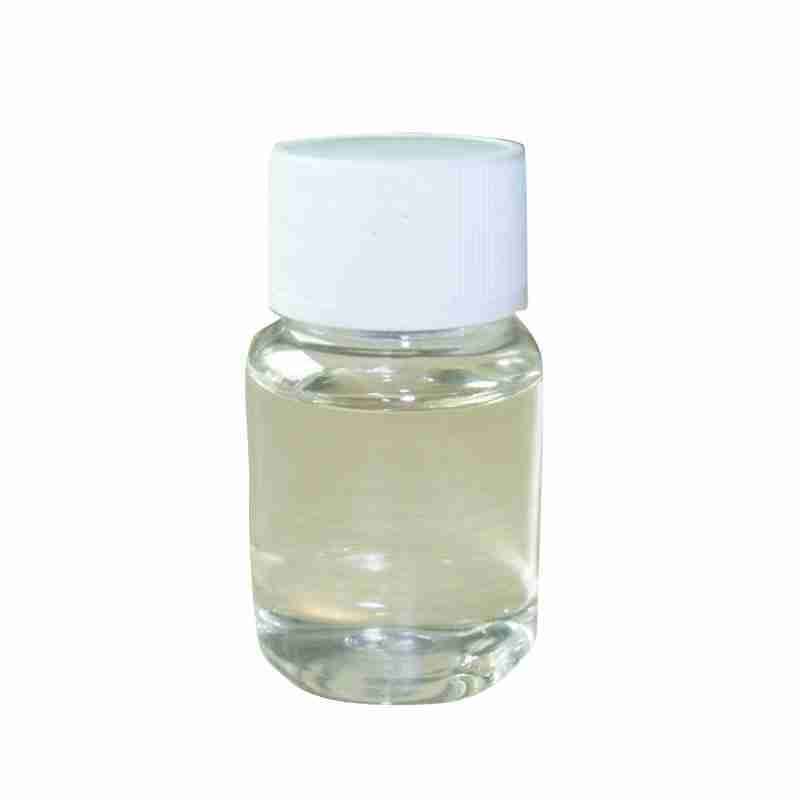
Octylphenol polyoxyethylene ether (CAS 9036-19-5) is usually a liquid.
Its appearance is generally a colorless to light yellow liquid.
Octylphenol polyoxyethylene ether is a nonionic surfactant with good emulsification, dispersion, wetting and other properties. It is widely used in industrial cleaning, textile printing and dyeing, pesticide emulsification and other fields.
For example, in industrial cleaning, it can be used to remove oil and stains; in textile printing and dyeing, it helps the dispersion and penetration of dyes.
2-(2-[4-(1,1,3,3-Tetramethylbutyl)phenoxy]ethoxy)ethanol CAS#9036-19-5
| 2-(2-[4-(1,1,3,3-Tetramethylbutyl)phenoxy]ethoxy)ethanol Basic information |
| Product Name: | 2-(2-[4-(1,1,3,3-Tetramethylbutyl)phenoxy]ethoxy)ethanol |
| Synonyms: | octylphenoleo(20);octylphenoleo(3);octylphenoxypoly(ethyleneoxy)ethanol;op1062;ope-3;poly(ethyleneoxide)octylphenylether;polyethyleneglycolmono(octyl)phenylether;polyethyleneglycolmono(octylphenyl)ether |
| CAS: | 9036-19-5 |
| MF: | C18H30O3 |
| MW: | 294.43 |
| EINECS: | 999-999-2 |
| Product Categories: | Core Bioreagents;Detergents A to ZDetergents;DetergentsDetergents;Non-Ionic;Research Essentials |
| Mol File: | 9036-19-5.mol |
![2-(2-[4-(1,1,3,3-Tetramethylbutyl)phenoxy]ethoxy)ethanol Structure](https://www.chemicalbook.com/CAS/GIF/9036-19-5.gif) |
|
| 2-(2-[4-(1,1,3,3-Tetramethylbutyl)phenoxy]ethoxy)ethanol Chemical Properties |
| Melting point | 0.05??C |
| Boiling point | 586.77??C (rough estimate) |
| density | 1.06?g/mL?at 20???C |
| vapor pressure | <0.01 hPa (20 ??C) |
| refractive index | n20/D?1.492 |
| Fp | >230???F |
| storage temp. | Store at +5??C to +30??C. |
| solubility | Chloroform (Slightly), DMSO (Slightly), Methanol (Slightly), Water (Slightly) |
| form | Liquid |
| color | Yellow |
| PH | 5.0-8.0 (10g/l, H2O, 20??) |
| Water Solubility | Miscible with water. |
| Merck | 13,6793 |
| BRN | 2315025 |
| Dielectric constant | 9.8??29.0?棩 |
| CAS DataBase Reference | 9036-19-5(CAS DataBase Reference) |
| EPA Substance Registry System | Polyethylene glycol mono(1,1,3,3-tetramethylbutyl)phenyl ether (9036-19-5) |
Related Products
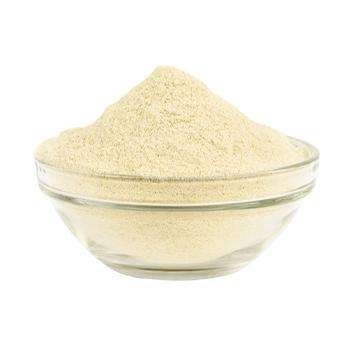
Chemical Name: Arabic gum
CAS No.: 9000-01-5
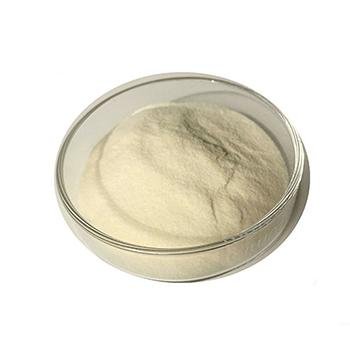
Appearance: powder
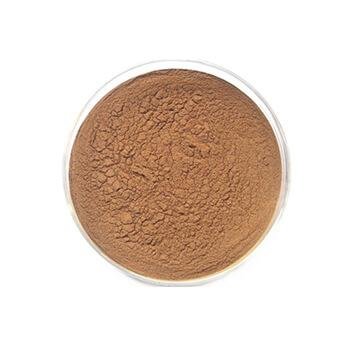
Chemical Name: Ashwagandha Extract
Synonyms: Withania somnifera, ext.; Withania Somnefera Extract
CAS: 90147-43-6
Appearance: Brown
Tetraacetylethylenediamine is a fully acetylated derivative of ethylenediamine, offering a high reactivity as an intermediate in organic synthesis. Its unique structure makes it a critical component in the production of specialty chemicals and pharmaceuticals, ensuring a wide range of applications in the chemical industry.
Chemical Name: Quercetin-3-O-sophoroside
CAS No.: 18609-17-1
Molecular Formula: C27H30O17
Molecular Weight: 626.52
3,4-Ethylenedioxythiophene is a synthetic organic compound characterized by its unique structure that includes a thiophene ring with ethylenedioxy substituents at the 3 and 4 positions. This compound is known for its potential applications in the synthesis of various organic materials, including pharmaceuticals and organic electronic devices such as sensors and solar cells. Its stability and reactivity make it a versatile intermediate in the chemical industry.
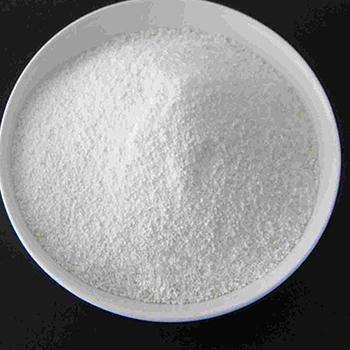
Chemical Name: Dehydrocholic acid
Synonyms: Acide dehydrocholique; Triketocholanic acid
CAS No.: 81-23-2
Molecular Formula: C24H34O5
Molecular Weight: 402.53
Appearance: Powder
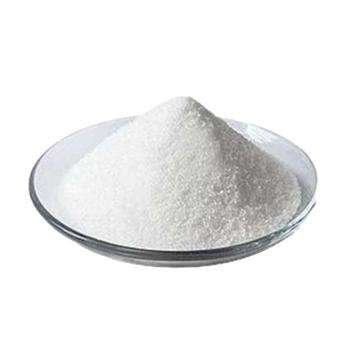
Chemical Name: 3-Hydroxybutyric acid
CAS No.: 625-71-8
Molecular Formula: C4H8O3
Molecular Weight: 104.1
Appearance: White powder

N,N-Dimethylaniline is an organic compound with amine and methyl groups attached to a benzene ring. It is a colorless liquid with a characteristic amine odor. This compound is primarily used as a chemical intermediate in the synthesis of dyes, pigments, and polymers. Its reactivity makes it a valuable building block in the production of various organic compounds, particularly in the pharmaceutical and chemical industries.
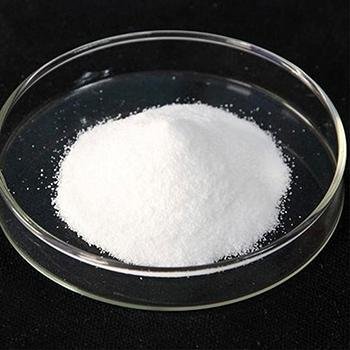
Chemical Name: UV-120
Other Name: (2’,4’-Di-tert-butylphenyl 3,5-di-tert-butyl-4-hydroxybenzoate)
CAS No.: 4221-80-1
Molecular Fomula: C29H42O3
Molecular weight: 438.66
Assay: ≥99%(LC)
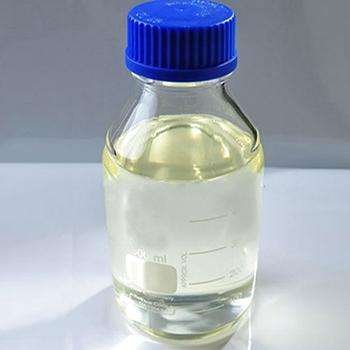
Chemical Name: 1,1,2,2-Tetrachloroethane
Other Name: Tetrachlorethane
CAS No.: 79-34-5
Molecular Formula: C2H2Cl4
Molecular Weight: 167.85
Appearance: Liquid
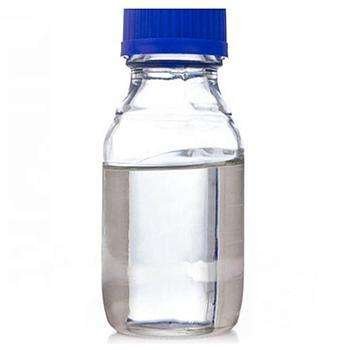
Chemical Name: STODDARD SOLVENT
CAS No.: 64742-88-7
Appearance: Colorless or Light Yellow Liquid
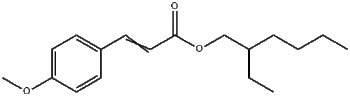
Octyl 4-methoxycinnamate, scientifically known as 2-Ethylhexyl 4-Methoxycinnamate, is a highly effective organic UV filter commonly used in the formulation of sunscreens and cosmetic products. This compound is renowned for its ability to absorb ultraviolet B (UVB) radiation, providing a reliable defense against the sun’s harmful effects on the skin.
Characterized by its chemical formula C19H28O3, Octyl 4-methoxycinnamate is a liquid ester that is readily soluble in organic solvents. It is valued for its photostability, which means it maintains its protective properties even after prolonged exposure to sunlight. This feature makes it an ideal ingredient for products designed to offer long-lasting sun protection.
In addition to its UVB absorption capabilities, Octyl 4-methoxycinnamate is also appreciated for its compatibility with other UV filters, allowing for the creation of broad-spectrum sunscreens. It contributes to the development of formulations that are non-greasy and cosmetically elegant, suitable for a variety of skin types.
As a key component in sun care products, Octyl 4-methoxycinnamate supports the skin’s health by preventing sunburn, reducing the risk of skin cancer, and delaying the signs of photoaging. Its safety profile and efficacy make it a preferred choice in the personal care and dermatological industries for sun protection solutions.


