Daily Chemicals
-
Propylene glycol CAS# 57-55-6阅读更多
Propylene glycol is scientifically named as ??1,2-propanediol??, and has a chemical formula of CH3CHOHCH2OH and a molecular weight of 76.10. There is a chiral carbon atom in the molecule. Its racemate is a hygroscopic viscous liquid and is slightly spicy. It has a specific gravity of 1.036 (25/4 ??C), a freezing point of-59 ??C, and a boiling point of 188.2 ??C, respectively 83.2 ??C (1,333 Pa). It is miscible with water, acetone, ethyl acetate and chloroform, and is soluble in ether. It is soluble in many essential oils, but is not miscible with petroleum ether and paraffin oil. It is relatively stable to heat and light, and is more stable at low temperatures. Its L-isomer has a boiling point of 187 to 189 ??C and a specific optical rotation [??] of D20-15.0??. It can be oxidized at high temperatures to propionaldehyde, lactic acid, pyruvic acid and acetic acid.
-
Puerarin CAS# 3681-99-0阅读更多
Puerarin, also known as pueraria flavonoids, is a kind of flavonoid glycoside extracted from the roots of Pueraria alba or Pueraria thomsonii and is also one of the main effective ingredients of Pueraria lobata. That Pueraria lobate was used to treat diseases has already been recorded in China??s ancient medical books such as Shen Nong??s Materia Medica, Treatise on Miscellaneous Diseases and Medical Dictionary.
Kanzu root is widely distributed in our country and of rich resources. It has been reported that puerarin could be extracted from Pueraria lobata (Wild.) Ohwi, Radix Pueraria thomsonii, Pueraria omeiensiswanget Tang, Pueraria edulis Pamp and Pueraria phaseoloides, but the content of puerarin differs.
Pueraria has a great value for nutrition and medicine and was considered the south ginseng of China. Puerarin has been widespread concerned over our country for its use of food and medicine in recent years. -
Rutile CAS# 1317-80-2阅读更多
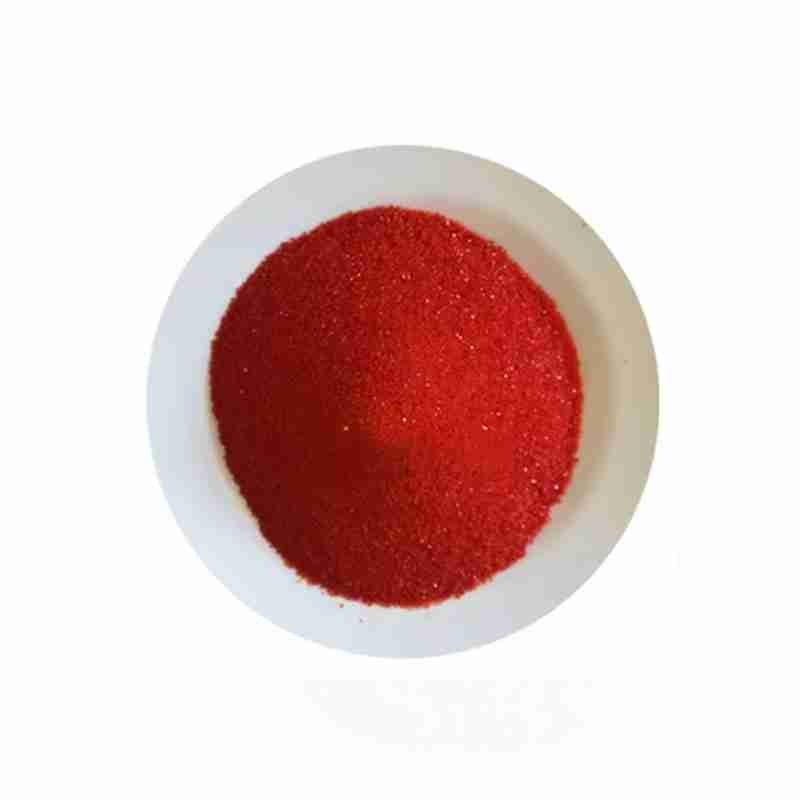
Rutile is one of the major minerals containing titanium. It is tetragonal and often has intact tetra-columnar or needle crystalline-like structure. Its aggregate exhibits granular or compacting blocky shape. It appears as dark, red, maroon, yellow or orange color with iron-rich product appearing as black color; it streaks appears as yellow to light brown color. It has adamantine gloss. Iron rutile exhibits semi-metallic gloss. It is brittle with the hardness being 6 to 6.5 and the density being 4.2~4.3 g/cm3. Products being rich in iron, niobium and tantalum have the density being increased with the high value being up to 5.5 g/cm3 or more. It can be dissolved in hot phosphoric acid. After cooling and dilution, adding sodium peroxide can turn the solution to brown color (titanium reaction). Rutile can be produced in gneiss, pegmatite, eclogite (flash) rock and placer.
-
Silicone oil CAS#63148-62-9阅读更多
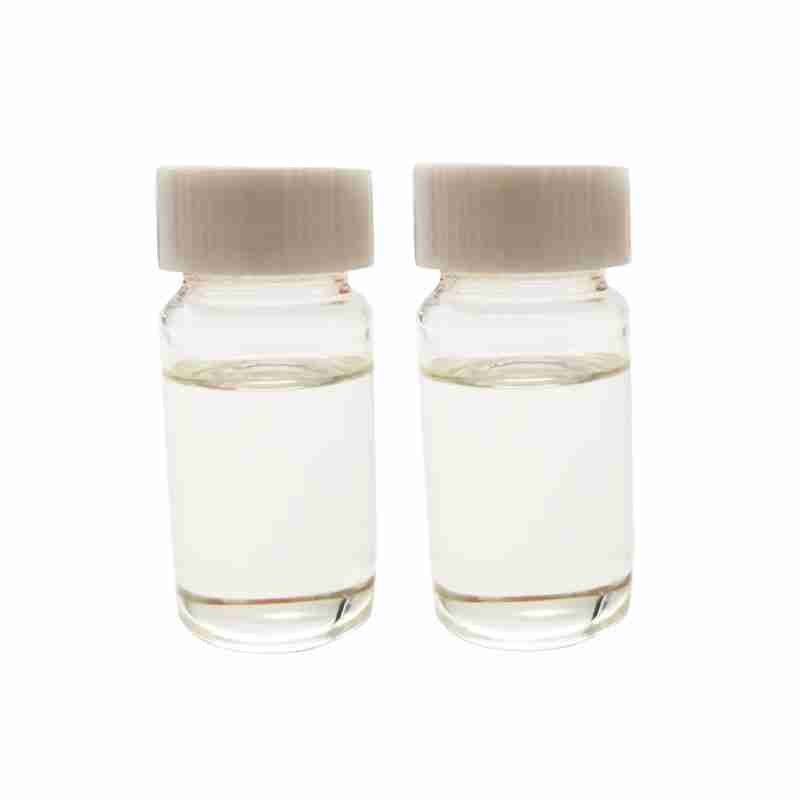
Silicone oil, known for its chemical designation as dimethicone or polydimethylsiloxane, is a synthetic polymer with a backbone of alternating silicon and oxygen atoms, creating a highly versatile and stable compound. It is renowned for its exceptional lubricating properties, heat resistance, and non-toxic nature, making it a staple in various industries, including cosmetics, automotive, and aerospace.
This hydrophobic, non-volatile oil is valued for its ability to provide a smooth, non-greasy feel and to form stable emulsions with other ingredients. In personal care products, silicone oil is used to impart a silky texture, reduce friction on the skin, and create a protective barrier against environmental stressors without clogging pores.
Silicone oil’s chemical inertness and resistance to oxidation contribute to its long shelf life and stability in formulations. It is also appreciated for its compatibility with a wide range of substances, allowing for the creation of multifunctional products.
In summary, silicone oil is a reliable and multifaceted ingredient, offering a combination of performance, safety, and sensory benefits. Its use in a variety of applications reflects its versatility and enduring appeal in the marketplace.
-
Silicone oil CAS#63148-62-9阅读更多
Silicone oil, known for its chemical designation as dimethicone or polydimethylsiloxane, is a synthetic polymer with a backbone of alternating silicon and oxygen atoms, creating a highly versatile and stable compound. It is renowned for its exceptional lubricating properties, heat resistance, and non-toxic nature, making it a staple in various industries, including cosmetics, automotive, and aerospace.
This hydrophobic, non-volatile oil is valued for its ability to provide a smooth, non-greasy feel and to form stable emulsions with other ingredients. In personal care products, silicone oil is used to impart a silky texture, reduce friction on the skin, and create a protective barrier against environmental stressors without clogging pores.
Silicone oil’s chemical inertness and resistance to oxidation contribute to its long shelf life and stability in formulations. It is also appreciated for its compatibility with a wide range of substances, allowing for the creation of multifunctional products.
In summary, silicone oil is a reliable and multifaceted ingredient, offering a combination of performance, safety, and sensory benefits. Its use in a variety of applications reflects its versatility and enduring appeal in the marketplace.
-
Sodium carbonate CAS #497-19-8阅读更多
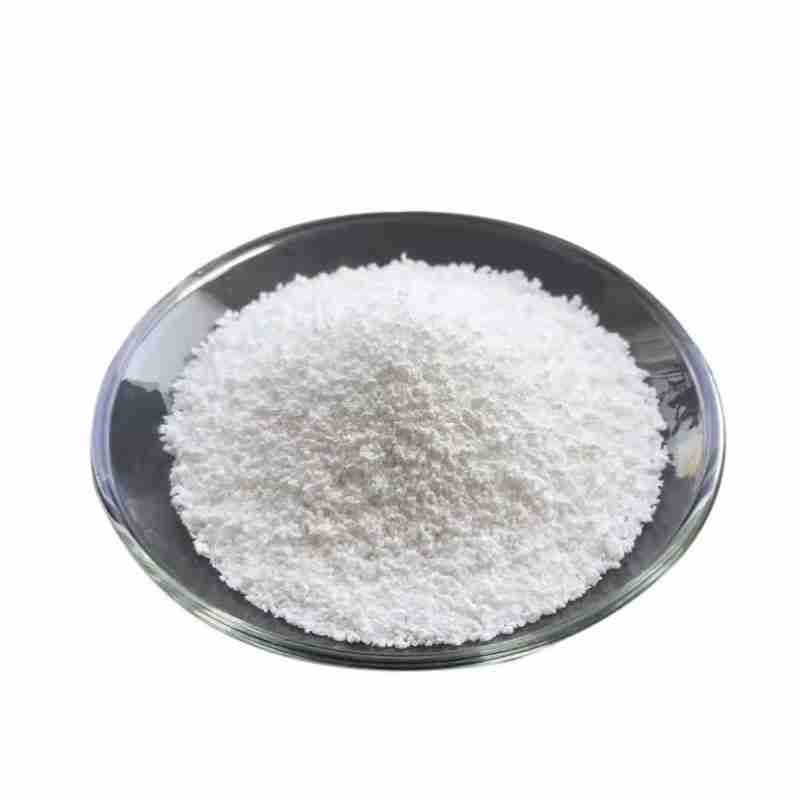
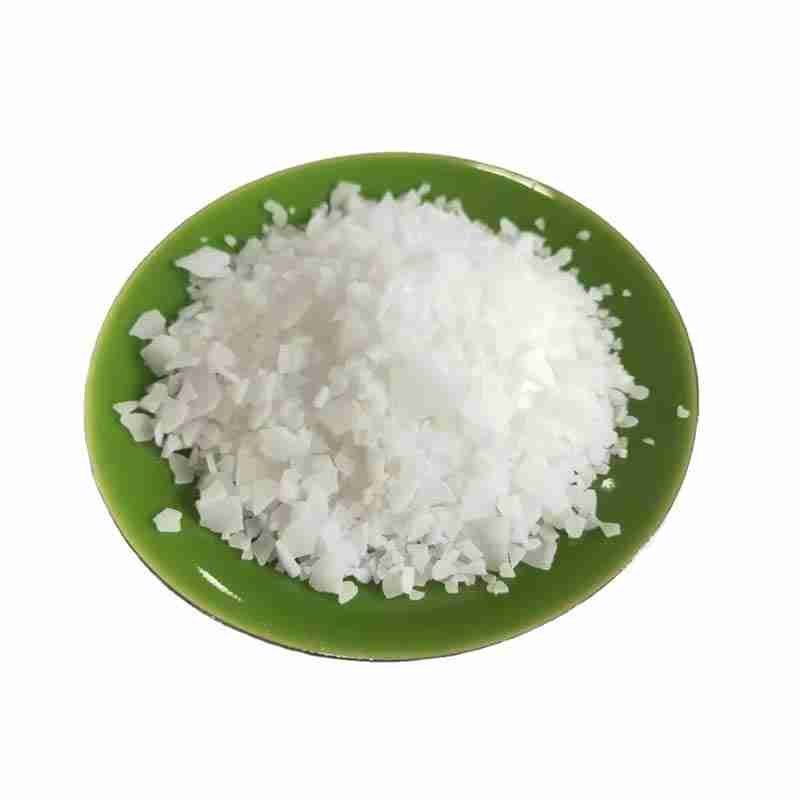
Sodium carbonate (497-19-8), Na2CO3, is the sodium salt of carbonic acid. The pure product is a white, odorless powder with strong alkalinity. It is highly hygroscopic. It is easily soluble in water to form a moderately alkaline aqueous solution.
Sodium carbonate is widely used in various fields around the world. One of the most important applications of sodium carbonate is in the manufacture of glass. According to statistical information, about half of the total production of sodium carbonate is used to make glass. In the glass production process, sodium carbonate acts as a flux in the melting process of silicon dioxide. -
Sodium Isethionate CAS#1562-00-1阅读更多
Sodium 2-hydroxyethyl sulfonate (also known as sodium hydroxyethyl sulfonate) is a sodium salt of 2-hydroxyethanesulfonic acid (hydroxyethyl sulfonate), which is used as a hydrophilic head group in detergent active surfactants. Due to its strong polarity and resistance to multivalent ions, it is called hydroxyethyl sulfonate (acyloxyethanesulfonate). It is being studied as a high-yield chemical in the High Production (HPV) Chemical Challenge Program of the US Environmental Protection Agency (EPA).
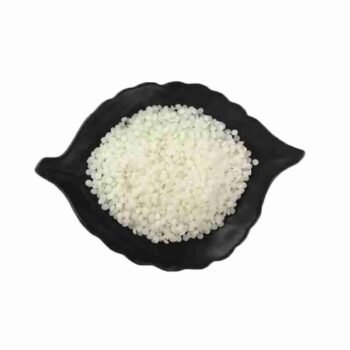
Solid sodium 2-hydroxyethyl sulfonate is a colorless, free flowing, non hygroscopic solid that is easily soluble in water and has good biodegradability. Due to the synthesis method, the sample usually contains trace amounts of sodium sulfite or sodium bisulfite, resulting in a pH value of about 10 in the aqueous solution, which is weakly alkaline.
-
Sodium lauryl polyoxyethylene ether sulfate CAS# 9004-82-4阅读更多
Sodium lauryl polyoxyethylene ether sulfate, also known as Sodium laureth sulfate (SLES) is an anionic detergent and surfactant contained in many personal care products (soaps, shampoos, toothpaste etc.). It is an inexpensive and very effective foaming agent1. It is also a widely used in cleaning products and cosmetic. Its uses in these products have been thoroughly evaluated and determined to be safe for consumers and the environment2. However, this compound can be irritating to the eyes and skin, and may contain the carcinogen dioxane. The Cosmetic, Toiletry and Fragrance Association discourage SLES for prolonged use, unless in extremely low concentrations. According to a U.S. Environmental Protection Agency study, sodium laureth sulfate applied above a 5 percent concentration produced severe irritation, hair loss and death in laboratory animals. Despite controversy, SLES is a commonly used compound.
-
Sodium Silicate(Water Class) CAS# 1344-09-8阅读更多
Water glass is an aqueous solution of silicate, which is as crystal clear as glass but as fluid as water. It is a soluble alkali metal silicate material composed of a combination of alkali metal oxides and silica.
Water glass plays an important role in industry, agriculture, technology and other fields. As a binder, water glass has occupied a place in the industrial field since its inception. It can be used to block the sewage leaked from the Fukushima nuclear power plant, or to repair cracks in brick walls; it also has anti-corrosion and acid resistance properties. , is an important material for acid-resistant floors and acid-resistant pools in industrial buildings; painting concrete pavements with water glass can also increase the frost resistance and water resistance of the pavement.
-
Sodium Xylene Sulfonate CAS# 1300-72-7阅读更多
Sodium xylenesulfonate is a water-soluble promoter, a natural compound that enhances the capability of water to liquify various other molecules. Sodium xylenesulfonate is a reduced risk material as well as the risk of adverse health effects connected with work and customer use of the chemical is expected to be low.
Sodium xylenesulfonate can be used in hair shampoos, household and dishwashing detergents, dry cleaners, tough surface area as well as metalworking cleansers, fungicides, adhesives, dyes and also pigments, electroplating, oiling cutting oils, photographic products, inks, textiles, tanning, and so on.
-
Tetraacetylethylenediamine CAS#10543-57-4阅读更多
Tetraacetylethylenediamine is a fully acetylated derivative of ethylenediamine, offering a high reactivity as an intermediate in organic synthesis. Its unique structure makes it a critical component in the production of specialty chemicals and pharmaceuticals, ensuring a wide range of applications in the chemical industry.
-
Tetraacetylethylenediamine CAS#10543-57-4阅读更多
Tetraacetylethylenediamine is a fully acetylated derivative of ethylenediamine, offering a high reactivity as an intermediate in organic synthesis. Its unique structure makes it a critical component in the production of specialty chemicals and pharmaceuticals, ensuring a wide range of applications in the chemical industry.
-
Troxerutin CAS# 7085-55-4阅读更多Featured
Troxerutin, also known as vitamin P4, is a naturally occurring flavonoid that can be isolated from tea, coffee, grains as well as veggies. It has a range of beneficial pharmacological as well as restorative activities, consisting of antioxidant, anti-inflammatory, anti diabetes as well as anti-tumor.
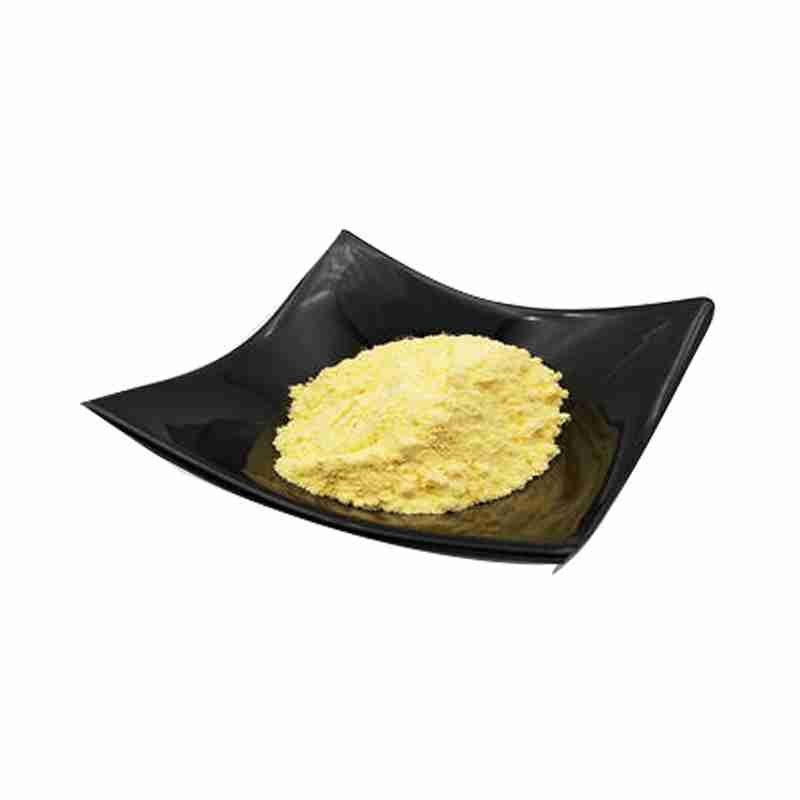
Troxerutin, chemical name 7,3,4,-three (O-(2-hydroxyhexyl)) rutin, which is a mixture of hydroxyethyl rutin acquired by hydroxyethylation of rutin, is yellow, yellow-green or light brown-yellow powder, odorless, slightly salty, hygroscopic, and also the primary product of hydrolysis is hyperin. Troxerutin is a semi-synthetic flavonoid substance made from rutin with hydroxyethylation. It can prevent the aggregation of red cell and platelets, increase blood oxygen content, boost microcirculation, as well as promote the formation of new members vessels. It is the primary element of Vinaorutong, often made right into tablets as well as shots.
-
Urapidil Hydrochloride CAS# 34661-75-1阅读更多
Urapidil is a sympathetic antihypertensive drug. It acts as ?? 1 ?C adrenoceptor antagonists and 5-HT 1A receptor agonists act. Although the initial report showed that urapidil was also a ?? 2 ?C adrenoceptor agonist, which was not confirmed in later studies, proved that it had no agonist effect in the saphenous vein of dogs and ileum of guinea pigs. With others ?? Unlike 1-adrenoceptor villains, urapidil does not cause response tachycardia, which may be connected to its weak ?? 1-adrenoceptor antagonist activity and its impact on heart vagal drive. Urapidil has actually not been approved by the US Food and drug administration, yet it is offered in Europe.
Urapidil (URA), chemical name is 6-[[3-[4-(2-methoxyphenyl)-1-piperazinyl]propyl]amino]-1,3-dimethyl -2,4(1H,3H)-pyrimidinedione, trade name: ebrantil (ebrantil), synonym: excellent matchi, uracil substituted by phenazine.
-
Vitamin A Acetate CAS# 127-47-9 Retinyl Acetate阅读更多
Retinyl acetate (Vitamin A Acetate) is a yellow prismatic crystal, a lipid compound, and its chemical stability is better than vitamin A. This product or its palmitate is often used clinically dissolved in vegetable oil, and is hydrolyzed by enzymes in the body to obtain vitamin A. The vitamin A recorded in the Chinese Pharmacopoeia is actually vitamin A acetate.
There are two types of vitamin A alcohol: vitamin A1 alcohol, which is retinol, and vitamin A2 alcohol, which is dehydroretinol. Vitamin A alcohol usually refers to vitamin A1 alcohol. The biological potency of vitamin A2 alcohol is 30-40% of that of vitamin A1 alcohol. Its structure is similar to vitamin A1 alcohol, except that it has one more double bond at the C-3 and C-4 positions of the cyclohexene ring.
-
Whiskey Lactone CAS #39212-23-2阅读更多
Cis ?C 3-Methyl-4-octanolide, also known as cis- ??- methyl- ??- Octalactone or 5-butyldihydro-4-methylfuran-2 (3 H) ?C one, a compound of lactone family, chemical formula C9H16O2. It exists as two optical isomers: 3 R, 4 R (??+??) and 3 S, 4 S (??-??).
3S, 4S isomers, commonly known as whisky lactone or oak lactone, are important components in the aroma of whisky (first discovered by Suomalainen and Nyk ? nen in 1970) and other alcoholic beverages aged in oak barrels. It is sometimes added to wine as a flavoring. It has the aroma of coconut, celery or fresh wood, and can be detected by human body when the concentration in the air is 1 microgram/l. The mixture of cis and trans isomers can repel mosquitoes and flies.
-
Zinc Ricinoleate CAS# 13040-19-2阅读更多
Zinc ricinoleate is a new kind of ventilating raw material with high effectiveness and environmental management. It can be applied to ventilate materials, kitchen areas, bathrooms, animals, vehicles, food factories, sewer treatment plants as well as other objects. It has a wide range of applications.
Experiments have shown that TEGOSorb A30 with zinc ricinoleate as the main element has a more powerful capacity to get rid of formaldehyde and also has an excellent capacity to eliminate sulfur compounds. The deodorant created with it as the cornerstone can get rid of most of the smells produced in home life, the ventilating effect is thorough, the odor will no longer regrow, the air is fresh, as well as it is easy to biodegrade, safe, and also the deposit will not harm the body reason harm.