Daily Chemicals
-
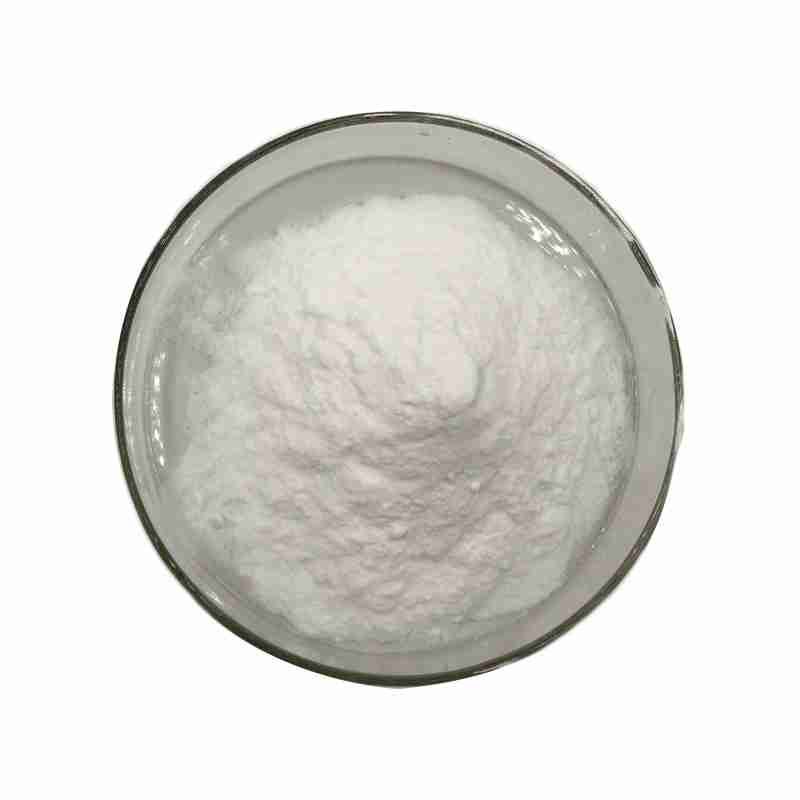
Lactobionic acid CAS#96-82-2阅读更多
Lactobionic acid is a naturally occurring, high molecular weight sugar acid derived from lactose, known for its multifaceted applications in the pharmaceutical and cosmetic industries. With the chemical formula C18H32O12, it is a reducing sugar that forms a component of the milk sugar lactose.
This water-soluble compound is celebrated for its antioxidant and chelating properties, which make it an effective ingredient in skincare products, particularly for its ability to protect the skin from oxidative stress and environmental aggressors. Lactobionic acid is also recognized for its gentle exfoliating action, as it can help to remove dead skin cells and promote cell renewal without causing irritation.
Moreover, its acidic nature contributes to its use as a pH adjuster in formulations, helping to maintain the skin’s natural acid mantle. Lactobionic acid is also valued for its ability to complex with metal ions, providing stability to products and enhancing the performance of other active ingredients.
In summary, lactobionic acid is a versatile ingredient in skincare, offering antioxidant benefits, promoting skin renewal, and providing a stable platform for product formulation. Its gentle yet effective properties make it suitable for a wide range of skin types and applications.
-
Lactobionic acid CAS#96-82-2阅读更多
Lactobionic acid is a naturally occurring, high molecular weight sugar acid derived from lactose, known for its multifaceted applications in the pharmaceutical and cosmetic industries. With the chemical formula C18H32O12, it is a reducing sugar that forms a component of the milk sugar lactose.
This water-soluble compound is celebrated for its antioxidant and chelating properties, which make it an effective ingredient in skincare products, particularly for its ability to protect the skin from oxidative stress and environmental aggressors. Lactobionic acid is also recognized for its gentle exfoliating action, as it can help to remove dead skin cells and promote cell renewal without causing irritation.
Moreover, its acidic nature contributes to its use as a pH adjuster in formulations, helping to maintain the skin’s natural acid mantle. Lactobionic acid is also valued for its ability to complex with metal ions, providing stability to products and enhancing the performance of other active ingredients.
In summary, lactobionic acid is a versatile ingredient in skincare, offering antioxidant benefits, promoting skin renewal, and providing a stable platform for product formulation. Its gentle yet effective properties make it suitable for a wide range of skin types and applications.
-
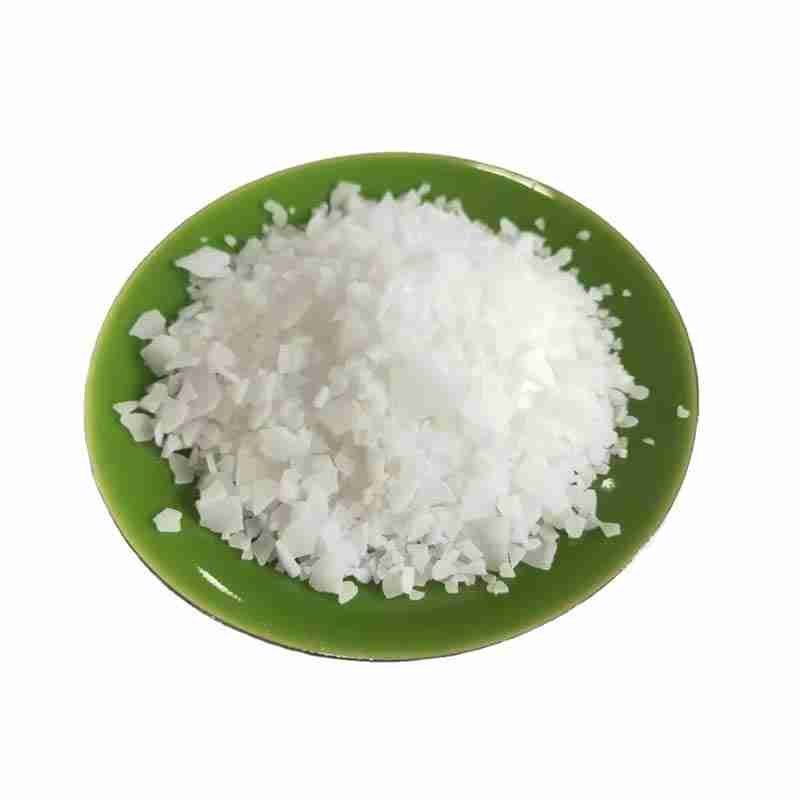
Lanolin CAS#8006-54-0阅读更多
Lanolin is an ideal raw material for the production of skin care products such as cold cream, anti-wrinkle cream, anti-crack cream, shampoo cream, hair conditioner, hair cream, lip balm and high grade soap. It is commonly used as an oil-in-water emulsifier and is an excellent moisturizing substance. Lanolin is a kind of product with good water absorption, moisturizing, lipophilic, emulsifying and dispersing properties, which is used in cosmetics, medicine, leather, agriculture and other industries.
-
Lauryl glucoside CAS#110615-47-9阅读更多
Lauryl Glucoside is an eco-conscious non-ionic surfactant, derived from sustainable lauric acid and glucose. It offers superior mildness and biodegradability, making it an ideal choice for formulating gentle and effective cleaning agents in personal care and household products. Its bio-based nature aligns with the growing demand for green chemistry solutions.
-
Lauryl glucoside CAS#110615-47-9阅读更多
Lauryl Glucoside is an eco-conscious non-ionic surfactant, derived from sustainable lauric acid and glucose. It offers superior mildness and biodegradability, making it an ideal choice for formulating gentle and effective cleaning agents in personal care and household products. Its bio-based nature aligns with the growing demand for green chemistry solutions.
-
Laurylamine Dipropylenediamine CAS# 2372-82-9阅读更多
N ?C (3-aminopropyl) ?C n-dodecyl propane-1,3-diamine, also known as N, N-bis (3-aminopropyl) dodecyl amine and laurylamine dipropylenediamine, is a dodecyl amine replaced by two propylamine units. Laurylamine dipropylene diamine is a non-ionic surfactant, antibacterial agent, preservative, emulsifier, dispersant, corrosion inhibitor and antistatic agent, which is used in hair products.
Laurylamine dipropylenediamine is a derivative of dodecylamine, which is formed by catalytic hydrogenation after Cyanoethylation of acrylonitrile. Long chain triamine has the characteristics of surfactant and bactericide. It can be used as anti-corrosion agent in lubricating oil and cooling lubricant, as well as disinfection and cleaning agent.
-
Lidocaine Hydrochloride CAS# 73-78-9阅读更多
Lidocaine hydrochloride is an anesthetic as well as an antiarrhythmic drug. Clinically, it is mainly used for infiltration anesthetic, epidural anesthetic, topical anesthesia (consisting of mucosal anesthetic throughout thoracoscopic examination or abdominal surgical treatment) as well as nerve conduction block. It can additionally be used for early ventricular tightenings and also ventricular tachycardia after acute myocardial infarction, and also for ventricular arrhythmias triggered by digitalis poisoning, cardiac surgery as well as cardiac catheterization. But it is usually inadequate for supraventricular arrhythmias.
-
Magnesium Ascorbyl Phosphate CAS# 113170-55-1阅读更多
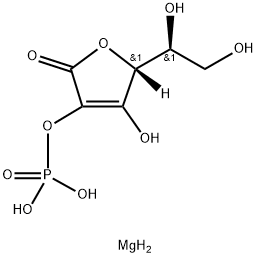
Magnesium Vitamin C Phosphate is a vitamin C derivative. Derivating the 2-position hydroxyl group into a phosphate ester can improve the stability of vitamin C. The formed derivative can regenerate vitamin C after being hydrolyzed by phosphatase that is widely present in the body. Therefore, it has become the main component of feed additives, food fortifiers and high-end cosmetics whitening, and is a valuable fine chemical.
-
Microcrystalline Cellulose CAS #9004-34-6 MCC阅读更多
Microcrystalline cellulose is a purified, partially depolymerized cellulose that occurs as a white, odorless, tasteless, crystalline powder composed of porous particles. It is commercially available in different particle sizes and moisture grades that have different properties and applications.
Microcrystalline cellulose and carboxymethylcellulose sodium occurs as a white or off-white odorless and tasteless hygroscopic powder containing 5?C22% sodium carboxymethylcellulose. It is a water-dispersible organic hydrocolloid.
-
Minoxidil CAS #38304-91-5阅读更多
Minoxidil is a type of oral drug that is clinically used to lower blood pressure, and it is also called Loniten and piperidine diamine. Minoxidil is an antihypertensive drug that is clinically used to treat intractable, primary or renal hypertension. It can also be used to treat severe hypertension that does not respond well to other antihypertensive drugs, but it needs to be used in combination with diuretic drugs to prevent water and sodium retention, and combined use with beta receptor blockers may increase its curative effects and reduce adverse effects. Minoxidil is also used to prevent grease-type alopecia and on livestock.
-
Monobenzone CAS #103-16-2阅读更多
Monobenzone, chemical name is 4-(Benzyloxy)phenol, Monobenzone is a depigmenting representative, which has the effect of improving the elimination speed of melanin secreted by skin cells, research study It is recommended that the molecular device of its action may be connected to tyrosinase. Furthermore, medical experiments have actually additionally proved that Monobenzone can effectively deal with diseases such as vitiligo, pigmentation as well as pigmentation. Monobenzone is a topical depigmenting representative utilized to deal with hyperpigmentation that obstructs the production of melanin in the skin without destroying melanocytes.
-
Monostearin CAS#123-94-4阅读更多
Monostearin is a versatile emulsifier and emollient derived from glycerol and stearic acid. It is instrumental in stabilizing emulsions and enhancing the texture and consistency of a wide range of products in the cosmetics, food, and pharmaceutical sectors.
-
Monostearin CAS#123-94-4阅读更多
Monostearin is a versatile emulsifier and emollient derived from glycerol and stearic acid. It is instrumental in stabilizing emulsions and enhancing the texture and consistency of a wide range of products in the cosmetics, food, and pharmaceutical sectors.
-
Myristoyl Pentapeptide-17 CAS# 959610-30-1阅读更多
Myristoyl pentapeptide-17 is a synthetic fatty acid with a long-chain peptide. It is synthesized by reacting myristic acid with pentapeptide-17. Pentapeptides, as the name suggests, refer to five different peptides combined for certain treatment methods. They contain amino acids, which are components of proteins. Amino acids and peptides can easily integrate into other protein structures or skin/hair/nails, and may make them look completely different. It is an amber transparent liquid with a faint odor.
The five amino acid peptide is linked to the oil soluble fatty acid myristic acid, which has better bioavailability. As is well known, it can significantly stimulate the keratin gene, which can promote the production of more keratin in cells. Keratin is a super important structural protein in the outermost layers of hair, nails, and skin.
-
N,N-Diethyl-m-toluamide CAS#134-62-3阅读更多
N,N-Diethyl-m-toluamide, commonly known as DEET, is a widely recognized synthetic compound that serves as the active ingredient in numerous insect repellent products. DEET is characterized by its efficacy in deterring and repelling a variety of insects, including mosquitoes, ticks, and flies, which are known vectors for diseases such as malaria, Lyme disease, and Zika virus.
Chemically, DEET is an amide with the molecular formula C12H19NO. It was first developed in 1946 and has since become the benchmark against which other insect repellents are measured. DEET works by targeting the olfactory receptors of insects, masking the scent of humans and animals, which are typically attractive to these pests.
This compound is valued for its long-lasting protection and stability under various environmental conditions. It is available in various formulations, including sprays, lotions, and creams, and can be applied topically to skin or clothing. DEET is also known for its compatibility with other active ingredients, allowing for the development of multi-purpose products.
In summary, DEET is a reliable and effective insect repellent, widely used for its ability to provide durable protection against disease-carrying insects. Its chemical properties and formulation flexibility make it a staple in the field of personal insect protection.
-
N,N-Diethyl-m-toluamide CAS#134-62-3阅读更多
N,N-Diethyl-m-toluamide, commonly known as DEET, is a widely recognized synthetic compound that serves as the active ingredient in numerous insect repellent products. DEET is characterized by its efficacy in deterring and repelling a variety of insects, including mosquitoes, ticks, and flies, which are known vectors for diseases such as malaria, Lyme disease, and Zika virus.
Chemically, DEET is an amide with the molecular formula C12H19NO. It was first developed in 1946 and has since become the benchmark against which other insect repellents are measured. DEET works by targeting the olfactory receptors of insects, masking the scent of humans and animals, which are typically attractive to these pests.
This compound is valued for its long-lasting protection and stability under various environmental conditions. It is available in various formulations, including sprays, lotions, and creams, and can be applied topically to skin or clothing. DEET is also known for its compatibility with other active ingredients, allowing for the development of multi-purpose products.
In summary, DEET is a reliable and effective insect repellent, widely used for its ability to provide durable protection against disease-carrying insects. Its chemical properties and formulation flexibility make it a staple in the field of personal insect protection.
-
N,N,N’,N’-Tetraacetylethylenediamine CAS#10543-57-4阅读更多
Tetraacetyl ethylenediamine (TAED) is an efficient low-temperature oxygen bleaching active agent, made of ethylenediamine and acetic anhydride, which can biodegrade without any harm to the environment. In various detergent formulations, the product will not affect the functions of washing additives such as silicate, whitening agent and enzyme. It is mainly used as an additive of oxygen bleaching agent, and is an efficient low-temperature bleaching activator. Widely used in washing powder, color bleaching powder, dishwashing agent and other kinds of solid detergents and detergents.
-
Octocrylene CAS#6197-30-4阅读更多
Octocrylene is an organic compound widely recognized for its potent UV-filtering properties, making it an essential ingredient in sunscreens and other skincare products designed to protect the skin from harmful ultraviolet radiation. With the chemical name 2-(4-Methylbenzyl)-2H-benzotriazole-5-methyl, octocrylene is a stable and photostable molecule that provides broad-spectrum protection against both UVA and UVB rays.
This oil-soluble chemical is valued for its ability to absorb UV radiation effectively, converting it into heat without causing skin irritation or staining clothes. Octocrylene is often used in combination with other UV filters to enhance the sun protection factor (SPF) of formulations, ensuring a balanced and comprehensive defense against sun damage.
As a lipophilic compound, octocrylene is compatible with various cosmetic and dermatological formulations, contributing to the development of lightweight, non-greasy sunscreens. Its chemical structure allows for a high degree of safety and efficacy, making it suitable for a wide range of skin types, including sensitive skin.
In summary, octocrylene is a reliable and efficient UV filter, pivotal in the formulation of modern sunscreens that offer advanced protection against the sun’s harmful effects while maintaining skin comfort and product aesthetics.