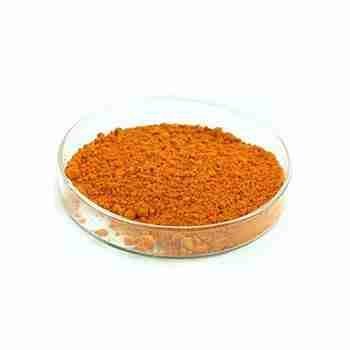
Organic Chemistry
-
Lacto-N-Neotetraose Cas 13007-32-4阅读更多
Chemical Name: Lacto-N-Neotetraose
Other Name: Neolactotetraose
CAS No.:?13007-32-4
Molecular Fomula:?C26H45NO21 -
Lactobionic Acid CAS# 96-82-2阅读更多
Lactobionic acid (C12H22O12) is a disaccharide obtained from the oxidation of lactose. Chemically, Lactobionic acid is made up of a galactose moiety that is bonded to a gluconic acid molecule through an ether-like bond. The compound can be dehydrated to a lactone. Lactobionic acid is widely used in the chemical, food and pharmaceutical industries due to its chelating, emulsifying, humectant and chelating properties. Lactobionic acid and its constituent salts are essential as food additives due to excellent solubility, good taste, and health-promoting aspects. The compound may also be essential in the synthesis of targetable and biocompatible drug delivery systems.
-
Lactobionic acid CAS#96-82-2阅读更多
Lactobionic acid is a naturally occurring, high molecular weight sugar acid derived from lactose, known for its multifaceted applications in the pharmaceutical and cosmetic industries. With the chemical formula C18H32O12, it is a reducing sugar that forms a component of the milk sugar lactose.
This water-soluble compound is celebrated for its antioxidant and chelating properties, which make it an effective ingredient in skincare products, particularly for its ability to protect the skin from oxidative stress and environmental aggressors. Lactobionic acid is also recognized for its gentle exfoliating action, as it can help to remove dead skin cells and promote cell renewal without causing irritation.
Moreover, its acidic nature contributes to its use as a pH adjuster in formulations, helping to maintain the skin’s natural acid mantle. Lactobionic acid is also valued for its ability to complex with metal ions, providing stability to products and enhancing the performance of other active ingredients.
In summary, lactobionic acid is a versatile ingredient in skincare, offering antioxidant benefits, promoting skin renewal, and providing a stable platform for product formulation. Its gentle yet effective properties make it suitable for a wide range of skin types and applications.
-
Lactobionic acid CAS#96-82-2阅读更多
Lactobionic acid is a naturally occurring, high molecular weight sugar acid derived from lactose, known for its multifaceted applications in the pharmaceutical and cosmetic industries. With the chemical formula C18H32O12, it is a reducing sugar that forms a component of the milk sugar lactose.
This water-soluble compound is celebrated for its antioxidant and chelating properties, which make it an effective ingredient in skincare products, particularly for its ability to protect the skin from oxidative stress and environmental aggressors. Lactobionic acid is also recognized for its gentle exfoliating action, as it can help to remove dead skin cells and promote cell renewal without causing irritation.
Moreover, its acidic nature contributes to its use as a pH adjuster in formulations, helping to maintain the skin’s natural acid mantle. Lactobionic acid is also valued for its ability to complex with metal ions, providing stability to products and enhancing the performance of other active ingredients.
In summary, lactobionic acid is a versatile ingredient in skincare, offering antioxidant benefits, promoting skin renewal, and providing a stable platform for product formulation. Its gentle yet effective properties make it suitable for a wide range of skin types and applications.
-
Lanolin CAS#8006-54-0阅读更多
Lanolin is an ideal raw material for the production of skin care products such as cold cream, anti-wrinkle cream, anti-crack cream, shampoo cream, hair conditioner, hair cream, lip balm and high grade soap. It is commonly used as an oil-in-water emulsifier and is an excellent moisturizing substance. Lanolin is a kind of product with good water absorption, moisturizing, lipophilic, emulsifying and dispersing properties, which is used in cosmetics, medicine, leather, agriculture and other industries.
-
Lanosterol CAS 79-63-0阅读更多
Chemical Name: Lanosterol
CAS No.: 79-63-0
Molecular Fomula: C30H50O
Molecular weight:?426.73
Appearance:?Solid -
Lanosterol CAS 79-63-0阅读更多
Chemical Name: Lanosterol
CAS No.: 79-63-0
Molecular Fomula: C30H50O
Molecular weight:?426.73
Appearance:?Solid -
Lauramidopropyl Dimethylamine CAS 3179-80-4阅读更多
Chemical Name: Lauramidopropyl Dimethylamine
CAS No.: 3179-80-4
Molecular Fomula: C17H36N2O
Molecular weight: 284.48
Appearance: Light yellow to yellow liquid
Amine value: 185-200 -
LAURIC ACID MONOETHANOLAMIDE CAS#142-78-9阅读更多
Lauric Acid Monoethanolamide is a chemical compound derived from lauric acid, a saturated fatty acid found in coconut oil and palm kernel oil. It is commonly used as an emulsifier and surfactant in various industrial applications, including the production of personal care products, detergents, and lubricants. This compound enhances the stability and texture of formulations, making it an essential ingredient for creating smooth, homogenous mixtures. Its properties contribute to improved product performance and consumer satisfaction.
-
LAURIC ACID MONOETHANOLAMIDE CAS#142-78-9阅读更多
Lauric Acid Monoethanolamide is a chemical compound derived from lauric acid, a saturated fatty acid found in coconut oil and palm kernel oil. It is commonly used as an emulsifier and surfactant in various industrial applications, including the production of personal care products, detergents, and lubricants. This compound enhances the stability and texture of formulations, making it an essential ingredient for creating smooth, homogenous mixtures. Its properties contribute to improved product performance and consumer satisfaction.
-
Lauroyl lysine CAS 52315-75-0阅读更多
Chemical Name: Lauroyl lysine
Synonyms: N??-Laruoyl-L-lysine; L-Lysine N6-1-oxododecyl; LLA?
CAS No.: 52315-75-0
Molecular Formula: C18H36N2O3
Molecular Weight: 328.49
Appearance: White to off-white powder -
Lauroyl proline CAS 58725-39-6阅读更多
Chemical Name: Lauroyl proline
Synonyms: N-Dodecanoyl-L-proline; 1-Dodecanoyl-L-proline; N-Lauroyl-L-proline
CAS No.: 58725-39-6
Molecular Fomula: C17H31NO3
Molecular weight: 297.43
Appearance:?White powder -
Lauroyl proline CAS 58725-39-6阅读更多
Chemical Name: Lauroyl proline
Synonyms: N-Dodecanoyl-L-proline; 1-Dodecanoyl-L-proline; N-Lauroyl-L-proline
CAS No.: 58725-39-6
Molecular Fomula: C17H31NO3
Molecular weight: 297.43
Appearance:?White powder -
Laurylamine Dipropylenediamine CAS# 2372-82-9阅读更多
N ?C (3-aminopropyl) ?C n-dodecyl propane-1,3-diamine, also known as N, N-bis (3-aminopropyl) dodecyl amine and laurylamine dipropylenediamine, is a dodecyl amine replaced by two propylamine units. Laurylamine dipropylene diamine is a non-ionic surfactant, antibacterial agent, preservative, emulsifier, dispersant, corrosion inhibitor and antistatic agent, which is used in hair products.
Laurylamine dipropylenediamine is a derivative of dodecylamine, which is formed by catalytic hydrogenation after Cyanoethylation of acrylonitrile. Long chain triamine has the characteristics of surfactant and bactericide. It can be used as anti-corrosion agent in lubricating oil and cooling lubricant, as well as disinfection and cleaning agent.
-
Laxogenin CAS 1177-71-5阅读更多
Chemical Name: Laxogenin
Synonyms: 6-Oxotigogenin
CAS No.: 1177-71-5
Molecular Formula: C27H42O4
Molecular Weight: 430.625
Appearance: White powder -
Laxogenin CAS 1177-71-5阅读更多
Chemical Name: Laxogenin
Synonyms: 6-Oxotigogenin
CAS No.: 1177-71-5
Molecular Formula: C27H42O4
Molecular Weight: 430.625
Appearance: White powder -
Lead acetate CAS 301-04-2阅读更多
Chemical Name: Lead acetate
Synonyms: Lead(II) acetate
CAS No.: 301-04-2
Molecular Formula: C4H6O4Pb
Molecular Weight: 325.29
Appearance: Transparent liquid -
Lead bis(2-ethylhexanoate) CAS 301-08-6阅读更多
Chemical Name:?Lead bis(2-ethylhexanoate)
CAS No.: 301-08-6
Molecular Formula: C16H30O4Pb
Molecular weight:?493.61
Appearance:?Light yellow uniform transparent liquid
Metal contents: 10-36%