
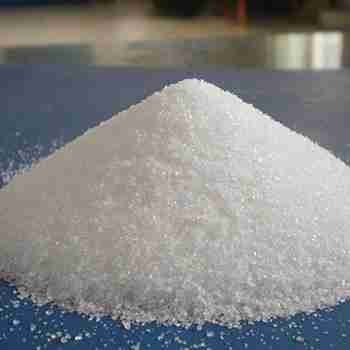
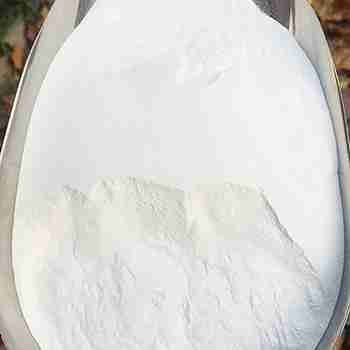
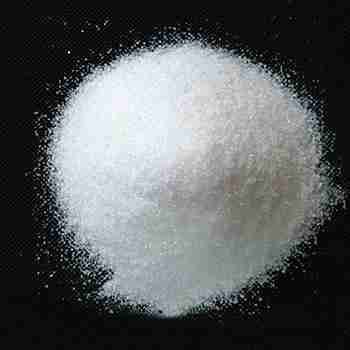
Description
L-Glutamine Details
Chemical Name: L-Glutamine
CAS No.: 56-85-9
Molecular Formula: C5H10N2O3
Molecular Weight: 146.14
Molecular?Structure:
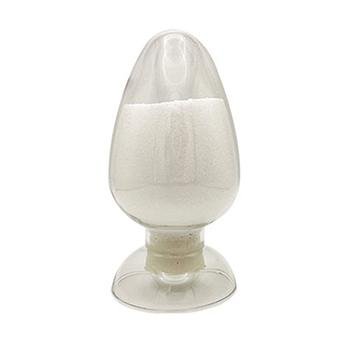
Appearance: White crystals
Typical Properties
Melting point
185 ??C (dec.) (lit.)
Boiling point
265.74??C (rough estimate)
Density
1.47 g/cm3 (20??)
Refractive index
6.8 ?? (C=4, H2O)
Solubility
Solubility in water 25 mg/mL
Storage
Store below +30??C.
Appearance
Crystal
Colour
White
Acidity coefficient (pKa)
2.17(at 25??)
Flash point
185??C
?
L-Glutamine Usage
Nutritional supplements, flavoring, and flavoring agents.
It is used medicinally to treat digestive organ ulcers alcohol poisoning and improve brain function.
Packaging and Shipping
Packing: 25KG/Drum
L-Glutamine Storage
Keep a container tightly closed in a dry and well-ventilated place. Store in a cool place.
Related Products
Chemical Name: LACTITOL
CAS No.: 585-86-4
Molecular Fomula: C12H24O11
Molecular weight:?344.31
Appearance:?White crystalline powder
Assay: 98.0%-101.0%
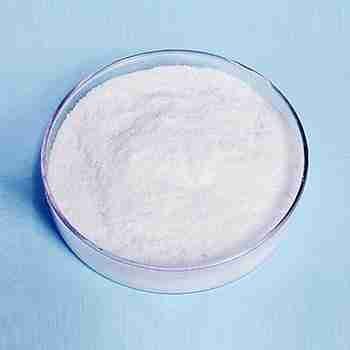
Chemical Name: delta-Cyclodextrin
CAS No.: 85220-53-7
Molecular Formula: C54H90O45
Molecular Weight: 1459.27
Appearance: White powder
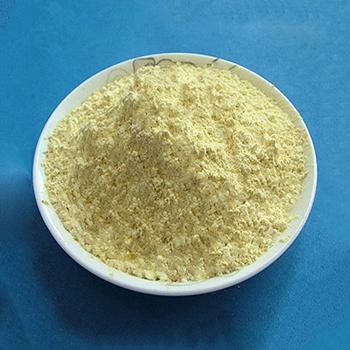
Product name:HYDROXYPROPYL GUAR HYDROXYPROPYLTRIMONIUM CHLORIDE
Purity:99%
Appearance:Light Yellow Powder
Package:Customized according to customer needs.
Sample:Available
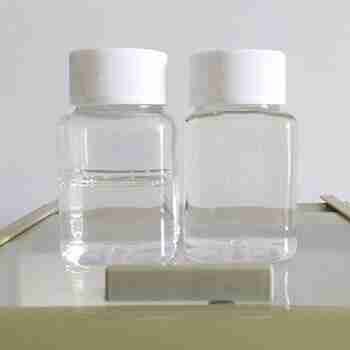
Chemical Name: Polyglycerol-10 decanoate
CAS No.: 145268-65-1
Appearance:?Colorless to light yellow viscous liquid
Assay: 98%
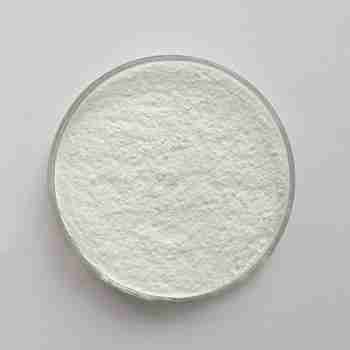
Chemical Name: Zinc citrate
Synonyms: Zinc citrate trihydrate
CAS No.: 546-46-3
Molecular Formula: C6H8O7Zn
Molecular Weight: 257.5
Appearance: White powder
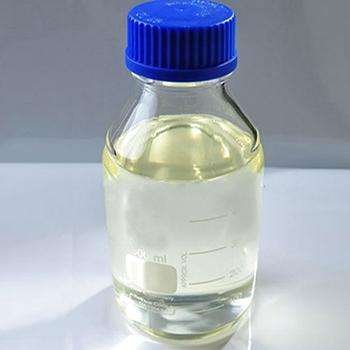
Chemical Name: 1,1,2,2-Tetrachloroethane
Other Name: Tetrachlorethane
CAS No.: 79-34-5
Molecular Formula: C2H2Cl4
Molecular Weight: 167.85
Appearance: Liquid
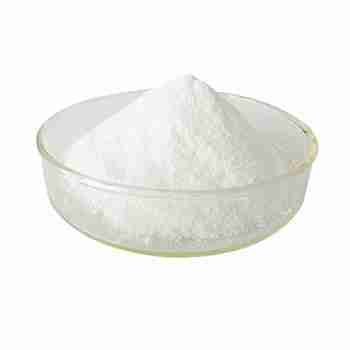
Chemical Name: Disodium Hydrogen Citrate Sesquihydrate
Cas No.: 6132-05-4
Appearance:?White Powder
Assay??99%
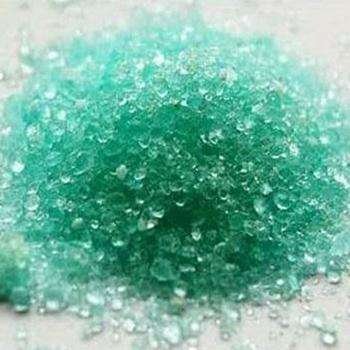
Chemical Name: Ammonium Iron(II) Sulfate
Synonyms: Diammonium iron bis(sulphate); iron (ii) ammonium sulfate
CAS No.: 10045-89-3
Molecular Formula: FeH5NO4S
Molecular Weight: 170.95
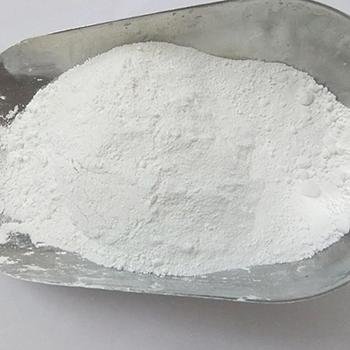
Product name:Cyclopentane
Purity:96%
Appearance:White powder
Package:25kg/bag
Sample:Available

Chemical Name: Ashwagandha Extract
Synonyms: Withania somnifera, ext.; Withania Somnefera Extract
CAS: 90147-43-6
Appearance: Brown
Chemical Name: Imazalil Sulfate
CAS No.: 58594-72-2
Molecular Formula: C14H14Cl2N2O.H2SO4
Molecular Weight: 395.26
Appearance: Solid

Chemical Name: Zinc citrate
Synonyms: Zinc citrate trihydrate
CAS No.: 546-46-3
Molecular Formula: C6H8O7Zn
Molecular Weight: 257.5
Appearance: White powder



Reviews
There are no reviews yet.