
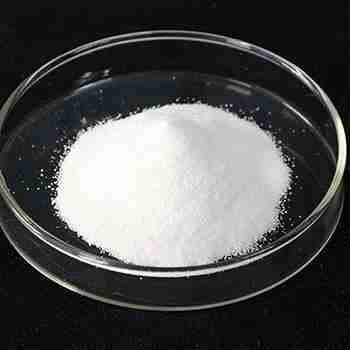
Rubidium iodide CAS 7790-29-6
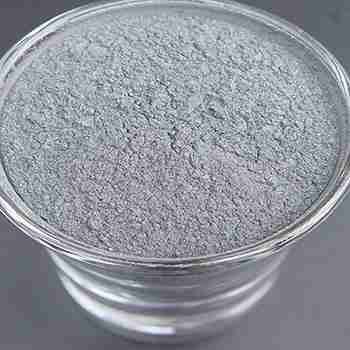

Chemical Name: Rubidium iodide
CAS No.:?7790-29-6
Molecular Fomula:?IRb
Molecular weight:?212.37
Appearance:?Colorless cubic crystals or white crystalline powder
Assay: 99.9%
Description
Rubidium iodide Quick Details
Chemical Name: Rubidium iodide
CAS No.:?7790-29-6
Molecular Fomula:?IRb
Chemical Structure:
Molecular weight:?212.37
Appearance:?Colorless cubic crystals or white crystalline powder
Assay: 99.9%
Rubidium iodide Typical?Properties
ITEMS
SPECIFICATION
Melting Point
656 ??C (lit.)
Boiling Point
1300 ??C/1 atm (lit.)
Density
3.55 g/mL at 25 ??C (lit.)
Refractive Index
1.6474
Flash Point
1300??C
Storage
Keep in dark place,Inert atmosphere,Room temperature
Solubility
Solubility in water
Stability
Stable
Appearance
Powder
?
Rubidium iodide application:
Raw materials for the preparation of metallic rubidium and various rubidium salts, production of catalysts, micro high-energy batteries and crystal scintillation counters.
Rubidium iodide Packaging and Shipping?
customized according to customer needs.
Rubidium iodide Storage
It should be stored away from light and sealed.
Related Products
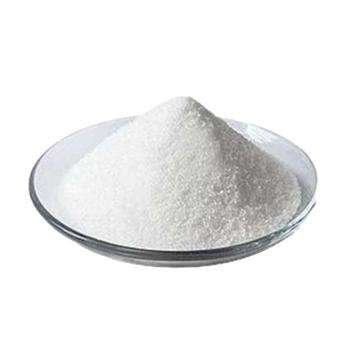
Chemical Name: 3-Hydroxybutyric acid
CAS No.: 625-71-8
Molecular Formula: C4H8O3
Molecular Weight: 104.1
Appearance: White powder

Bentonite, sodium-activated, is a type of clay rich in montmorillonite minerals, which undergoes a process to increase its sodium content. This alteration enhances its swelling and adsorptive properties, making it a highly effective thickener and gel-forming agent. Sodium bentonite is widely used in drilling muds, foundry sands, and as a binder in various industrial applications. Its ability to absorb liquids and form stable gels makes it invaluable in cosmetics, agriculture, and as a component in the manufacturing of ceramics and paper products.
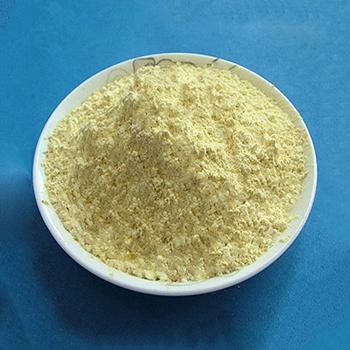
Product name:HYDROXYPROPYL GUAR HYDROXYPROPYLTRIMONIUM CHLORIDE
Purity:99%
Appearance:Light Yellow Powder
Package:Customized according to customer needs.
Sample:Available

Aluminum chlorohydrate is an inorganic compound often used as a coagulant in water treatment processes. It is also known for its astringent properties and is utilized in various personal care products, such as antiperspirants and deodorants, due to its ability to temporarily close sweat glands. It enhances the viscosity and stability of formulations, making it a valuable ingredient in cosmetics and pharmaceuticals.
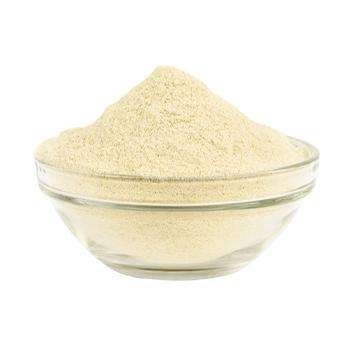
Chemical Name: Arabic gum
CAS No.: 9000-01-5
Appearance: powder

Carbon is a fundamental element found in all organic life and a key component of many inorganic materials. It is known for its ability to form long chains and complex structures, which makes it the basis of various compounds, including diamond, graphite, and fullerenes. Carbon is used in a wide range of applications, from manufacturing steel and other alloys to being a key element in batteries and as a pigment in inks and paints.
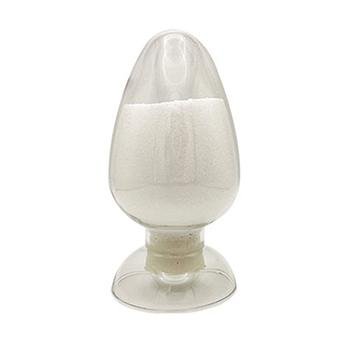
Chemical Name: Imazalil Sulfate
CAS No.: 58594-72-2
Molecular Formula: C14H14Cl2N2O.H2SO4
Molecular Weight: 395.26
Appearance: Solid

Kaolin, also known as china clay, is a naturally occurring hydrated aluminum silicate mineral. It is a soft, white, plastic clay that is widely used in ceramics, papermaking, and as a pigment in paints, coatings, and plastics. Kaolin is valued for its fine particle size, purity, and ability to improve the brightness and opacity of materials. Its inert nature and high refractive index make it ideal for various industrial applications, including cosmetics and pharmaceuticals.

Calcium carbonate, with the chemical formula CaCO3, is an inorganic compound found in nature as calcite, aragonite, and vaterite. It is a white solid that is insoluble in water but soluble in acid. Widely used as a filler and coating pigment in paper and plastics, calcium carbonate also serves as a primary ingredient in the production of cement and lime. Known for its high purity and chemical stability, it is utilized in pharmaceuticals, food additives, and as a dietary calcium supplement. Its versatility makes it an essential component in various industrial applications.

Copper(II) sulfate, with the chemical formula CuSO4, is a blue crystalline compound that is soluble in water. It is commonly used in agriculture as a fungicide and in the textile industry as a dye fixative. Copper(II) sulfate is also utilized in the manufacture of pigments, batteries, and as an algaecide in water treatment. Its distinctive blue color and reactivity make it a versatile chemical in various industrial applications, including chemical analysis and electroplating.

Carbon black, also known as carbon dark, is a kind of unformed carbon. It??s a light, loose and extremely fine black greasepaint with a veritably large face area ranging from 10 to 3000m2/g. It??s an deficient combustion of carbonaceous substances( coal, natural gas, heavy oil painting, energy oil painting,etc.) under conditions of inadequate air. Or products deduced from thermal corruption. Those made from natural gas are called?? gas dark??, those made from oil painting are called?? beacon black??, and those made from acetylene are called?? acetylene black??. In addition, there are?? trough black?? and?? furnace black??.
Aluminum chlorohydrate is an inorganic compound often used as a coagulant in water treatment processes. It is also known for its astringent properties and is utilized in various personal care products, such as antiperspirants and deodorants, due to its ability to temporarily close sweat glands. It enhances the viscosity and stability of formulations, making it a valuable ingredient in cosmetics and pharmaceuticals.



Reviews
There are no reviews yet.