

Description
Polylysine Details
Chemical Name: Polylysine
CAS No.: 25104-18-1
Molecular Formula: C18H36N6O3X2
Molecular Weight: 384.521
Molecular Structure:
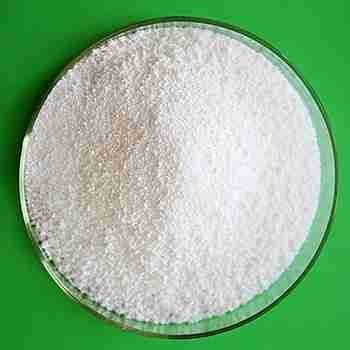
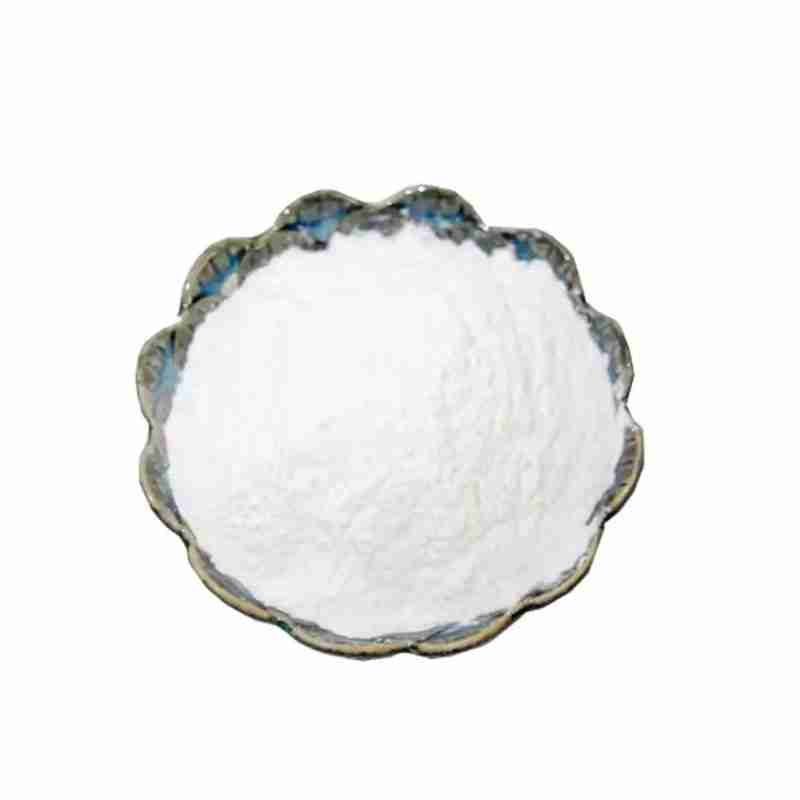
Appearance: White Powder
Polylysine 99% Typical Properties
Item
Specifications
Results
Appearance
White to creamy yellow powder
Milky white powder
Content (dry product),w/%
??95. 0%
99. 39%
Loss on drying, w/%
??8.0
3. 55
Residue on ignition, w/%
??2. 0
0. 53
?pH (lOg/L solution)
2. 5~5. 5
4.97
Lead (Pb) /(mg/kg)
??2.0
0. 16
The total arsenic (As) /(mg/kg)
??3.0
0. 18
Conclusion
The results conforms as Enterprise Standards
Packaging and Shipping
Packing: 25KG/drum? ? ?According to the actual needs of customers
Polylysine Usage
1. Food preservative
2. Used as a preservative for cosmetics
3. Medicine as a carrier for some medicines
4. Polylysine as a super absorbent polymer can also be used in the production of sanitary napkins, baby diapers or other industries
Polylysine Storage
Store in dry and cool place, keep away from sunshine and rain.
Related Products
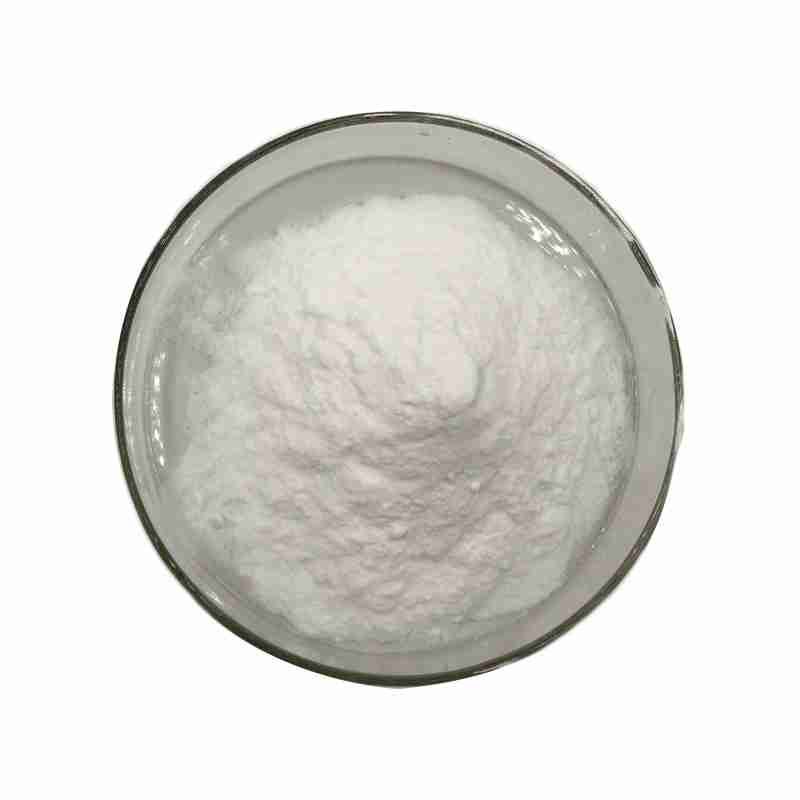
EC 3.4.21.14, previously classified, now redirects to EC 3.4.21.67, identifying endopeptidase So. This serine endopeptidase is integral in the hydrolysis of peptide bonds, a critical function in biological systems. Its applications extend across research and development in the pharmaceutical and biotechnological industries.
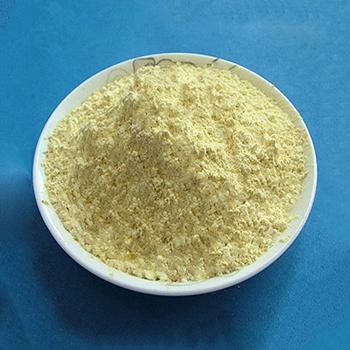
Product name:HYDROXYPROPYL GUAR HYDROXYPROPYLTRIMONIUM CHLORIDE
Purity:99%
Appearance:Light Yellow Powder
Package:Customized according to customer needs.
Sample:Available

Chemical Name: Imazalil Sulfate
CAS No.: 58594-72-2
Molecular Formula: C14H14Cl2N2O.H2SO4
Molecular Weight: 395.26
Appearance: Solid
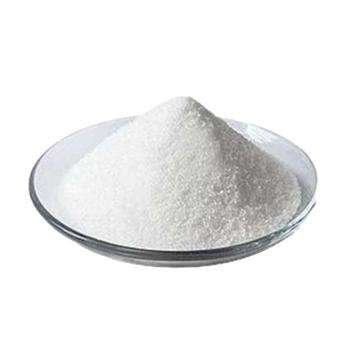
Chemical Name: 3-Hydroxybutyric acid
CAS No.: 625-71-8
Molecular Formula: C4H8O3
Molecular Weight: 104.1
Appearance: White powder
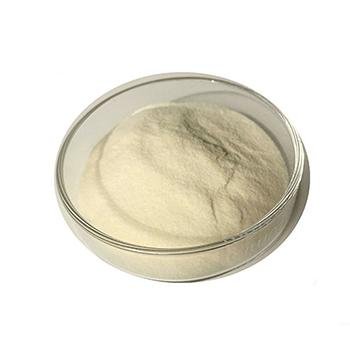
Chemical Name: Quercetin-3-O-sophoroside
CAS No.: 18609-17-1
Molecular Formula: C27H30O17
Molecular Weight: 626.52
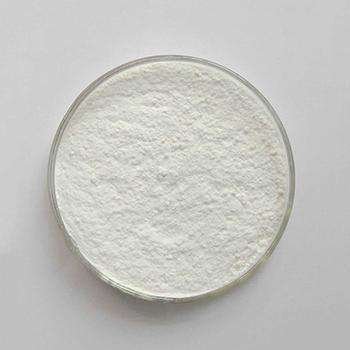
Chemical Name: Zinc citrate
Synonyms: Zinc citrate trihydrate
CAS No.: 546-46-3
Molecular Formula: C6H8O7Zn
Molecular Weight: 257.5
Appearance: White powder
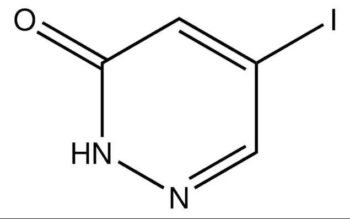
Common English name: 5-iodo-2,3-dihydropyridazin-3-one
CAS No.: 825633-94-1
Molecular formula: C4H3IN2O
Molecular weight: 221.98
Sample: Available
Polyglutamic acid (y-PGA), also known as natto gum, is a high molecular peptide polymer synthesized from several glutamic acid monomers through microbial fermentation. It is rich in glutamic acid, glucose, protein and minerals. , vitamins and other biologically active substances.
Polyglutamic acid (??-PGA) is a sticky substance that was first discovered in ??Natto??. It is currently widely used in agricultural production and is called a new biostimulant. It is fully water-soluble, biodegradable, edible, and non-toxic. It is a biopolymer produced by microbial fermentation.
Chemical Name: beta-NADH disodium salt
Other name: beta-Nicotinamide adenine dinucleotide disodium salt
CAS No.: 606-68-8
Molecular Fomula: C21H30N7NaO14P2
Molecular weight:?689.44
Appearance:?white to light yellow powder
Assay: 95%min

Hydroxyproline is a non-essential amino acid divided from another amino acid called proline. It is created by the communication of proline with ascorbic acid vitamin C. This process produces a hydroxyl team bound to a hydrogen-oxygen particle, which is affixed to a carbon particle of proline as well as converted to hydroxyproline.Trans-4-hydroxy-l-proline is an optically energetic form of 4-hydroxyproline with l-trans setup. It can be used as human metabolite, plant metabolite and also computer mouse metabolite. It is an tautomer of trans-4-hydroxy-l-proline zwitterions.

Coenzyme A sodium salt hydrate (CAS 55672-92-9) is an important biologically active substance.
Appearance: Usually white or off-white powder. Solubility: Easily soluble in water, forming a clear solution in water.
Function: In the body, coenzyme A sodium salt hydrate is an important coenzyme that participates in a variety of biochemical reactions. It plays a key role in the metabolism of fatty acids, promoting the activation and oxidative decomposition of fatty acids. It participates in the tricarboxylic acid cycle and provides energy for cells. It is also important for the metabolism of certain amino acids.
Application: Commonly used in biochemistry and molecular biology research as a cofactor for enzyme reactions.
In the field of medicine, it may be used in the treatment or adjuvant treatment of certain diseases.
EC 3.4.21.14, previously classified, now redirects to EC 3.4.21.67, identifying endopeptidase So. This serine endopeptidase is integral in the hydrolysis of peptide bonds, a critical function in biological systems. Its applications extend across research and development in the pharmaceutical and biotechnological industries.



Reviews
There are no reviews yet.