
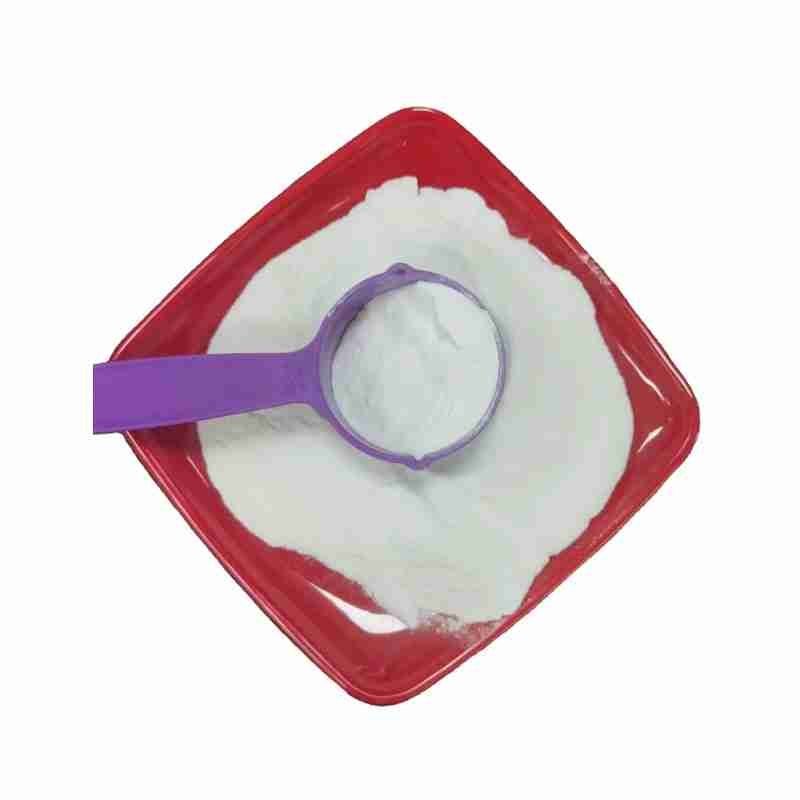
Polyacrylamide CAS# 9003-05-8
![2-(2-[4-(1,1,3,3-Tetramethylbutyl)phenoxy]ethoxy)ethanol CAS#9036-19-5](https://bgbchem.com/wp-content/uploads/2025/08/2-8-2.jpg)
Polyacrylamide, also briefly referred as PAM, is commonly a polymer with acrylamide monomers bonded connected by end to end configuration; it is a hard glassy solid at room temperature. Because of the difference in production methods, the products can be white powder, translucent beads and flaky like. Its density is 1.302 g/cm3 (23 ??C) with glass transition temperature being 153 ??C and softening temperature being 210 ??C. It has good thermal stability and is soluble in water; its aqueous solution is clear and transparent with its viscosity increasing with increased molecular weight of the polymer, and also having a logarithmic relationship with the change in concentration of the polymer. Except for a few solvent such as acetic acid, acrylic acid, ethylene glycol, glycerol and formamide, it is generally insoluble in organic solvents.
Polyacrylamide CAS# 9003-05-8
| Polyacrylamide Basic information |
| High polymer?Chemical Properties?Physical properties?Anionic and cationic polyacrylamide?Polyacrylamide gel electrophoresis?The maximum amount for food additives as maximal allowable residue?Uses?Production methods |
| Product Name: | Polyacrylamide |
| Synonyms: | acrylamide,polymers;acrylamidehomopolymer;americancyanamidkpam;americancyanamidp-250;aminogenpa;ap273;cyanamerp250;cyanamerp35 |
| CAS: | 9003-05-8 |
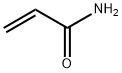
| MF: | (C3H5NO)x |
| MW: | 71.08 |
| EINECS: | 231-545-4 |
| Product Categories: | Hydrophilic Polymers;Materials Science;Polymer Science;Water treatment;PAM, Water treatment;Water Ttreatment Chemicals;Acrylamides;Acrylics;Hydrophilic Polymers;Polymers;9003-05-8;PP |
| Mol File: | 9003-05-8.mol |
 |
|
| Polyacrylamide Chemical Properties |
| Melting point | >300 ??C |
| density | 1.189?g/mL?at 25???C |
| Tg | 165??C |
| refractive index | n20/D?1.452 |
| Fp | >230???F |
| storage temp. | 2-8??C |
| solubility | Water |
| form | Granules |
| color | White to faintly yellow |
| Odor | odorless |
| Water Solubility | SOLUBLE |
| Stability: | Stable. Incompatible with strong oxidizing agents, aluminium, copper, iron, iron salts |
| EPA Substance Registry System | Polyacrylamide (9003-05-8) |
Related Products
Silicones are a family of synthetic polymers known for their versatility and stability. They are heat-resistant, non-toxic, and have excellent electrical insulation properties. Commonly used in various industries such as construction, automotive, aerospace, and personal care products, silicones offer a wide range of applications from sealants and adhesives to lubricants and medical devices. Their resistance to extreme temperatures and weathering makes them a preferred choice for many high-performance applications.
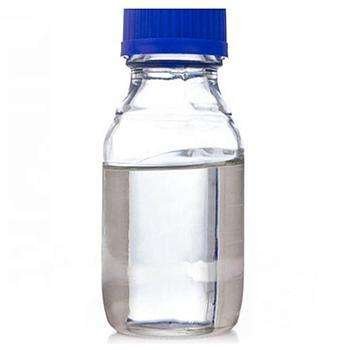
Chemical Name: STODDARD SOLVENT
CAS No.: 64742-88-7
Appearance: Colorless or Light Yellow Liquid
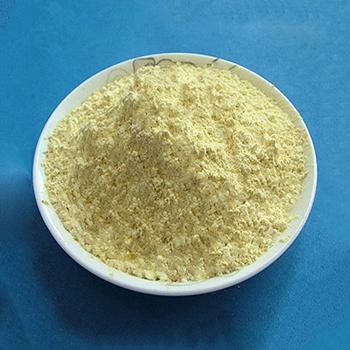
Product name:HYDROXYPROPYL GUAR HYDROXYPROPYLTRIMONIUM CHLORIDE
Purity:99%
Appearance:Light Yellow Powder
Package:Customized according to customer needs.
Sample:Available
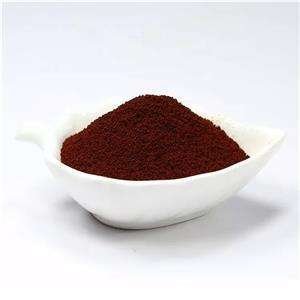
Chemical Name: Choline salicylate
CAS No.: 2016-36-6
Molecular Formula: C12H19NO4
Molecular Weight: 241.28
Appearance: Red-Brown Crystal
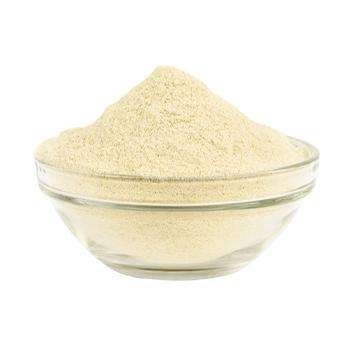
Chemical Name: Arabic gum
CAS No.: 9000-01-5
Appearance: powder
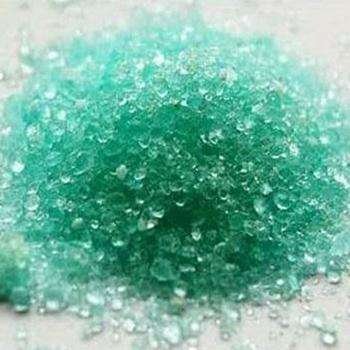
Chemical Name: Ammonium Iron(II) Sulfate
Synonyms: Diammonium iron bis(sulphate); iron (ii) ammonium sulfate
CAS No.: 10045-89-3
Molecular Formula: FeH5NO4S
Molecular Weight: 170.95

Chemical Name: Dehydrocholic acid
Synonyms: Acide dehydrocholique; Triketocholanic acid
CAS No.: 81-23-2
Molecular Formula: C24H34O5
Molecular Weight: 402.53
Appearance: Powder

Butylated Hydroxytoluene (BHT) is a synthetic phenolic antioxidant commonly added to foods, cosmetics, and packaging to prevent the oxidation of fats and oils, thereby extending their shelf life. It is also used as a preservative in a variety of products, including rubber, petroleum products, and animal feed. BHT is recognized for its effectiveness in maintaining nutrient levels, color, flavor, and odor in food products . It is known to have a melting point of 69-71??C, a boiling point of 265??C, and is soluble in ethanol, acetone, and benzene, but not in water, glycerin, or propylene glycol . BHT is also used in some dietary supplements due to its antioxidant properties . However, it is important to handle BHT with care, as it can cause skin irritation and is considered harmful if swallowed .
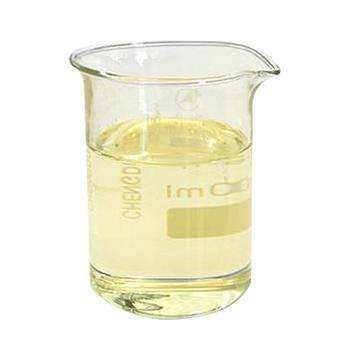
Chemical Name: Potassium Castorate
CAS No.: 8013-05-6
Molecular Formula: C57H107K3O12
Molecular Weight: 1101.74718
Appearance: Yellow Liquid

Ethylhexyl Palmitate is a skin-conditioning ester, derived from ethylhexanol and palmitic acid, that imparts moisturization and a smooth texture to cosmetic and personal care formulations. It is valued for its emollient properties, enhancing the sensory experience of skin care products.

Terpene resin is a type of natural resin derived from terpenes, which are organic compounds found in various plants. It is known for its aromatic properties and is commonly used in the production of fragrances, flavorings, and as a component in adhesives and coatings within the chemical industry. Terpene resin offers a range of benefits, including enhancing the solubility of essential oils and providing a stable base for various applications. Its natural origin makes it a preferred choice for eco-friendly products.
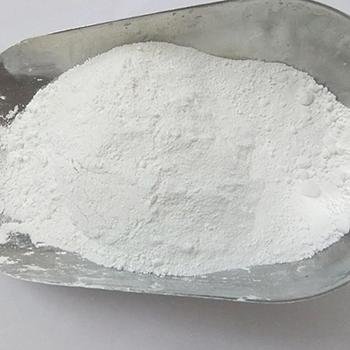
Product name:Cyclopentane
Purity:96%
Appearance:White powder
Package:25kg/bag
Sample:Available


