
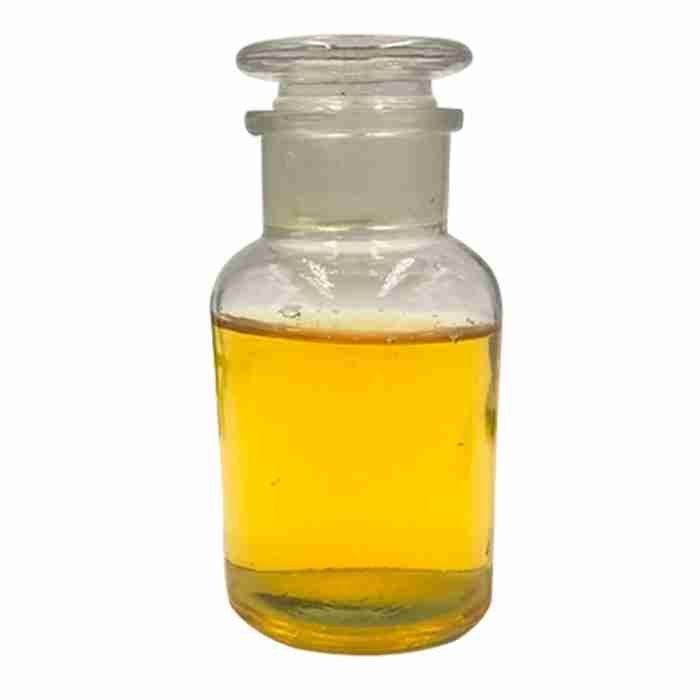
Coconut diethanolamide CAS# 68603-42-9

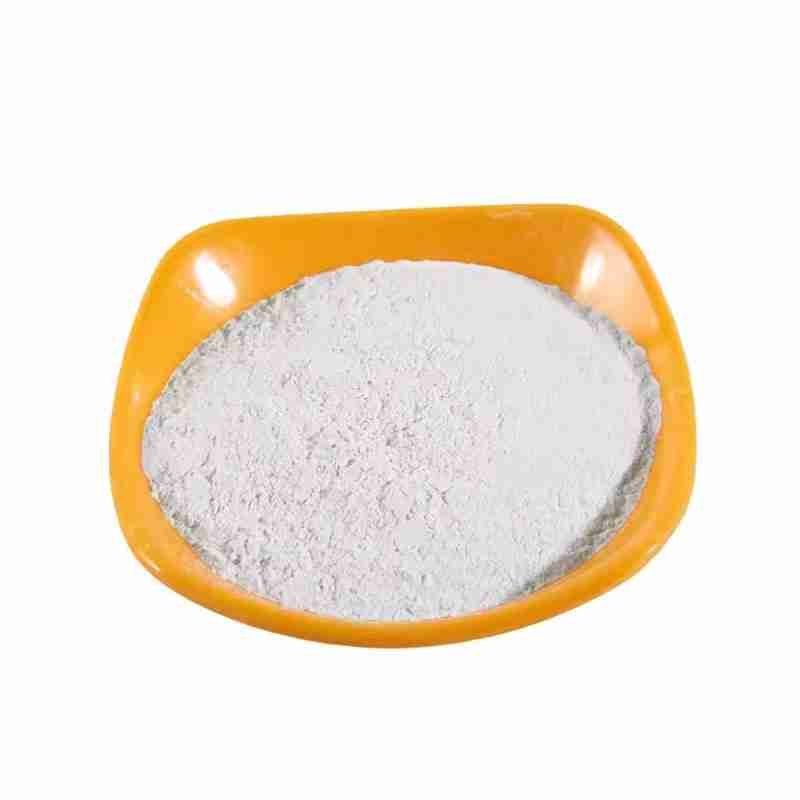
Coconut diethanolamide has the properties of wetting, washing, emulsifying, softening, etc. It has good foam stabilising effect on anionic surfactants. It is an indispensable raw material for a variety of cosmetic products such as liquid detergents, liquid soaps, shampoos, cleansers and cleansers. When used with soap, it is resistant to hard water.
It can also be used as an emulsifying stabiliser for cream products, and is widely used in shoe polish, printing inks, drawing supplies and so on.It is used in the textile printing and dyeing industry as a detergent for fabrics, as well as other detergent ingredients and thickeners.It is one of the components of spinning oil for synthetic fibres such as polypropylene. It has a good thickening effect on liquid products using anionic surfactants as the main raw material.
Coconut diethanolamide CAS# 68603-42-9
| Coconut diethanolamide Basic information |
| Product Name: | Coconut diethanolamide |
| Synonyms: | amides,coco,n,n-bis(2-hydroxyethyl);Amides,coco,N,N-bis(hydroxyethyl);clindrol200cgn;clindrol202cgn;clindrolsuperamide100cg;Coconutacid,diethanolamide;N,N-Bis(hydroxyethyl)coco amides;n,n-bis(hydroxyethyl)coco fatty amides |
| CAS: | 68603-42-9 |
| MF: | no |
| MW: | 0 |
| EINECS: | 271-657-0 |
| Product Categories: | Hair Care;Home Care;Skin Care;6501;68603-42-9 |
| Mol File: | Mol File |
| Coconut diethanolamide Chemical Properties |
| Boiling point | 168-274??C |
| Odor | at 100.00?%. mild ammonia |
| Water Solubility | 5-10 g/100 mL at 18 oC |
| Stability: | Stable. Combustible. Incompatible with strong oxidizing agents. |
| IARC | 2B (Vol. 101) 2013 |
| EPA Substance Registry System | Cocamides diethanolamines (68603-42-9) |
| Safety Information |
| Hazardous Substances Data | 68603-42-9(Hazardous Substances Data) |
Related Products
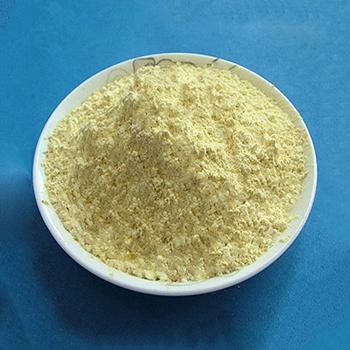
Product name:HYDROXYPROPYL GUAR HYDROXYPROPYLTRIMONIUM CHLORIDE
Purity:99%
Appearance:Light Yellow Powder
Package:Customized according to customer needs.
Sample:Available

Lauryl Glucoside is an eco-conscious non-ionic surfactant, derived from sustainable lauric acid and glucose. It offers superior mildness and biodegradability, making it an ideal choice for formulating gentle and effective cleaning agents in personal care and household products. Its bio-based nature aligns with the growing demand for green chemistry solutions.
Chemical Name: Quercetin-3-O-sophoroside
CAS No.: 18609-17-1
Molecular Formula: C27H30O17
Molecular Weight: 626.52
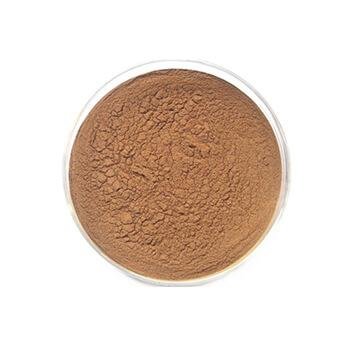
Chemical Name: Ashwagandha Extract
Synonyms: Withania somnifera, ext.; Withania Somnefera Extract
CAS: 90147-43-6
Appearance: Brown
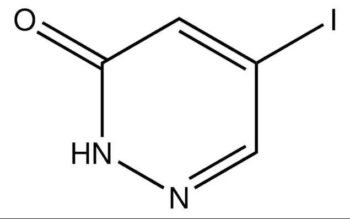
Common English name: 5-iodo-2,3-dihydropyridazin-3-one
CAS No.: 825633-94-1
Molecular formula: C4H3IN2O
Molecular weight: 221.98
Sample: Available
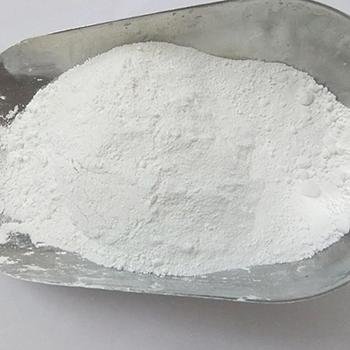
Product name:Cyclopentane
Purity:96%
Appearance:White powder
Package:25kg/bag
Sample:Available

Chemical Name: Dehydrocholic acid
Synonyms: Acide dehydrocholique; Triketocholanic acid
CAS No.: 81-23-2
Molecular Formula: C24H34O5
Molecular Weight: 402.53
Appearance: Powder
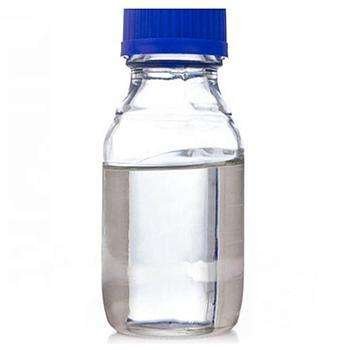
Chemical Name: STODDARD SOLVENT
CAS No.: 64742-88-7
Appearance: Colorless or Light Yellow Liquid
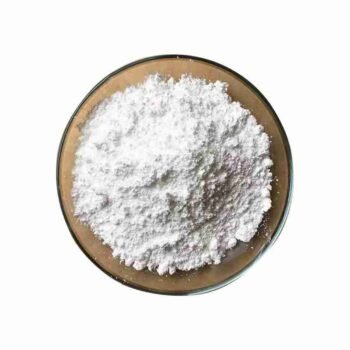
Coconut Oil Monoethanolamide is a high-performance emulsifier derived from natural coconut oil. It is a key component in personal care and cosmetic formulations, providing excellent emulsifying properties and improving product texture. With its natural origin and superior performance, it is the preferred choice for creating stable and high-quality products.

Decyl Glucoside is an eco-friendly, non-ionic surfactant derived from renewable resources. Renowned for its mildness and biodegradability, it is ideal for creating gentle, high-performing cleaning agents in personal care and household products. Its sustainable and effective nature makes it a preferred choice for green formulations.
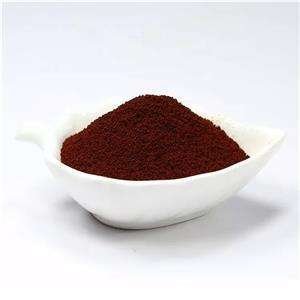
Chemical Name: Choline salicylate
CAS No.: 2016-36-6
Molecular Formula: C12H19NO4
Molecular Weight: 241.28
Appearance: Red-Brown Crystal
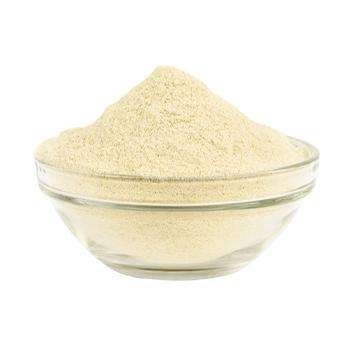
Chemical Name: Arabic gum
CAS No.: 9000-01-5
Appearance: powder


