
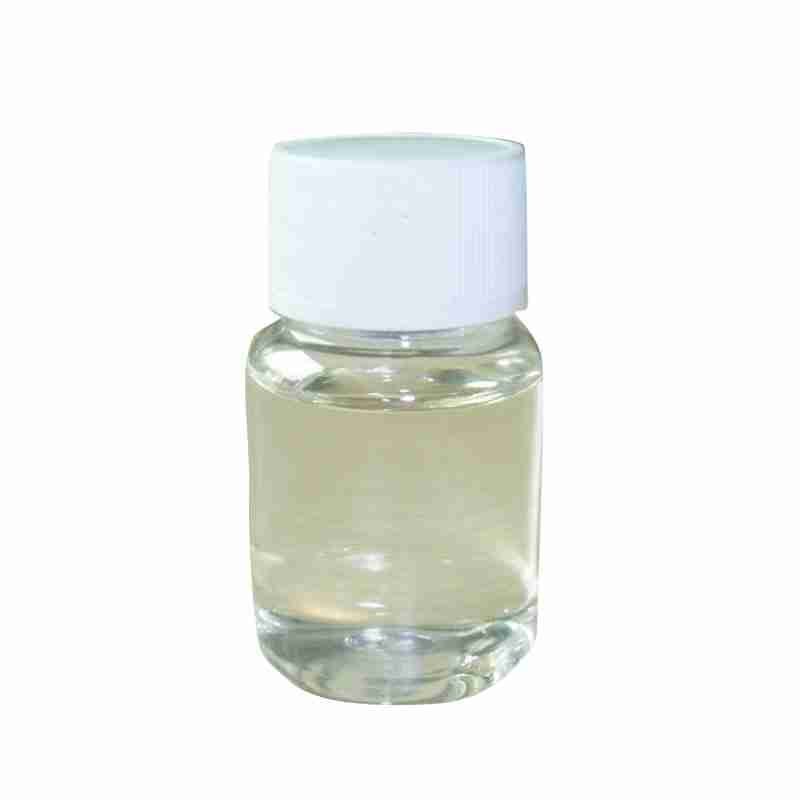
Isopropyl Palmitate CAS#142-91-6
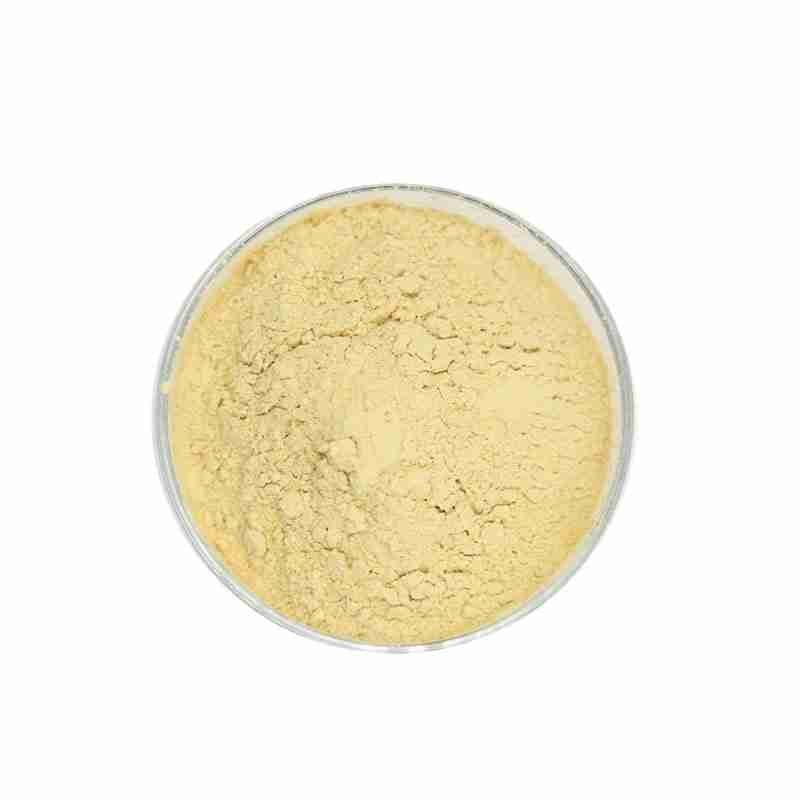
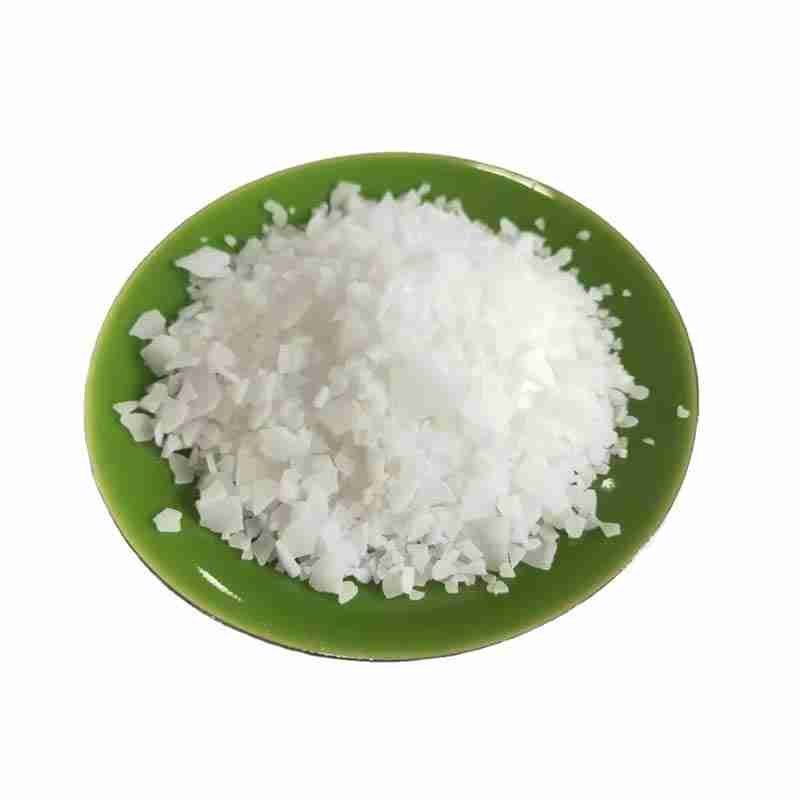
Isopropyl palmitate (IPP), is a low-viscosity lipophilic non-ionic surfactant, is a very valuable auxiliary raw material in cosmetics, and is used for advanced cosmetics such as creams and hair conditioners. Isopropyl palmitate is insoluble in water, but miscible with organic solvents such as alcohol, ketone, methylene chloride, grease, etc., and the general dosage is 2%~10% (mass fraction). Paste and lotion are white, bright and delicate, improving product quality.
Isopropyl Palmitate CAS#142-91-6
| Isopropyl palmitate Basic information |
| Product Name: | Isopropyl palmitate |
| Synonyms: | kesscoipp;Lexol IPP;Liponate IPP;nikkolipp;Palmitic acid esters;Plymouth ipp;Radia 7200;Sinnoester PIT |
| CAS: | 142-91-6 |
| MF: | C19H38O2 |
| MW: | 298.5 |
| EINECS: | 205-571-1 |
| Product Categories: | Bioactive Small Molecules;Building Blocks;C12 to C63;Carbonyl Compounds;Cell Biology;Chemical Synthesis;Esters;I;Organic Building Blocks;Hair Care;Skin Care;Cosmetic raw material;142-91-6 |
| Mol File: | 142-91-6.mol |
 |
|
| Isopropyl palmitate Chemical Properties |
| Melting point | 11-13 ??C (lit.) |
| Boiling point | 160??C 2mm |
| density | 0.852 g/mL at 25 ??C (lit.) |
| vapor pressure | 0.007Pa at 25?? |
| refractive index | n20/D?1.438(lit.) |
| Fp | >230???F |
| storage temp. | 2-8??C |
| solubility | <0.001g/l |
| form | <11??C Solid,>13??C Liquid |
| color | Colourless |
| Odor | very sl. odor |
| Water Solubility | Not miscible or difficult to mix with water. |
| BRN | 1786567 |
| InChIKey | XUGNVMKQXJXZCD-UHFFFAOYSA-N |
| LogP | 8.16 |
| CAS DataBase Reference | 142-91-6(CAS DataBase Reference) |
| NIST Chemistry Reference | Isopropyl palmitate(142-91-6) |
| EPA Substance Registry System | Isopropyl palmitate (142-91-6) |
| Safety Information |
| Hazard Codes | Xi |
| Risk Statements | 36/38-36/37/38 |
| Safety Statements | 26-36 |
| WGK Germany | – |
| RTECS | RT4900000 |
| TSCA | Yes |
| HS Code | 29157090 |
| Hazardous Substances Data | 142-91-6(Hazardous Substances Data) |
| Toxicity | mouse,LD50,intraperitoneal,100mg/kg (100mg/kg),National Technical Information Service. Vol. AD277-689, |
Related Products

Silicones are a family of synthetic polymers known for their versatility and stability. They are heat-resistant, non-toxic, and have excellent electrical insulation properties. Commonly used in various industries such as construction, automotive, aerospace, and personal care products, silicones offer a wide range of applications from sealants and adhesives to lubricants and medical devices. Their resistance to extreme temperatures and weathering makes them a preferred choice for many high-performance applications.

N,N-Dimethylaniline is an organic compound with amine and methyl groups attached to a benzene ring. It is a colorless liquid with a characteristic amine odor. This compound is primarily used as a chemical intermediate in the synthesis of dyes, pigments, and polymers. Its reactivity makes it a valuable building block in the production of various organic compounds, particularly in the pharmaceutical and chemical industries.
1-Octanol, also known as Capryl alcohol or n-Octanol, is a clear, colorless liquid with a characteristic waxy odor. It is an alcohol with eight carbon atoms in its chain, making it a part of the aliphatic alcohol family. This compound is poorly soluble in water but is miscible with ethanol, diethyl ether, and chloroform . It has a melting point of approximately -15??C and a boiling point of around 196??C . 1-Octanol is used in the production of esters, plasticizers, and as a solvent or intermediate in the synthesis of various organic compounds. It also finds application in the fragrance industry as a fixative in perfumes and can be used in the formulation of flavor and scent compositions . It is important to note that 1-Octanol is flammable and should be handled with care, storing it away from sources of ignition and heat .
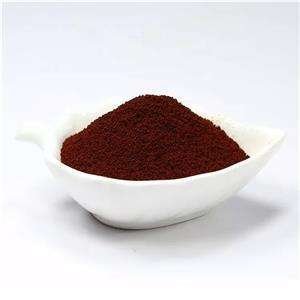
Chemical Name: Choline salicylate
CAS No.: 2016-36-6
Molecular Formula: C12H19NO4
Molecular Weight: 241.28
Appearance: Red-Brown Crystal

Product name:Cyclopentane
Purity:96%
Appearance:White powder
Package:25kg/bag
Sample:Available

Ethylhexyl Palmitate is a skin-conditioning ester, derived from ethylhexanol and palmitic acid, that imparts moisturization and a smooth texture to cosmetic and personal care formulations. It is valued for its emollient properties, enhancing the sensory experience of skin care products.

Succinimide is a heterocyclic organic compound and an important industrial chemical. It serves as a key intermediate in the synthesis of various pharmaceuticals, agrochemicals, and other specialty chemicals. Known for its reactivity and versatility, succinimide is widely used in the production of succinic anhydride, a precursor to many polymers and plasticizers, highlighting its significance in the chemical industry.

Terpene resin is a type of natural resin derived from terpenes, which are organic compounds found in various plants. It is known for its aromatic properties and is commonly used in the production of fragrances, flavorings, and as a component in adhesives and coatings within the chemical industry. Terpene resin offers a range of benefits, including enhancing the solubility of essential oils and providing a stable base for various applications. Its natural origin makes it a preferred choice for eco-friendly products.

Chemical Name: Ammonium Iron(II) Sulfate
Synonyms: Diammonium iron bis(sulphate); iron (ii) ammonium sulfate
CAS No.: 10045-89-3
Molecular Formula: FeH5NO4S
Molecular Weight: 170.95
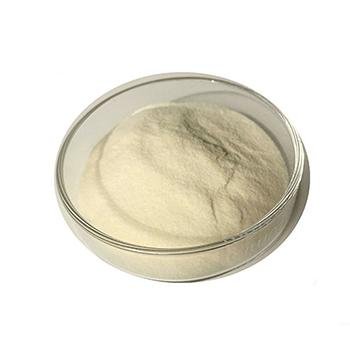
Chemical Name: Quercetin-3-O-sophoroside
CAS No.: 18609-17-1
Molecular Formula: C27H30O17
Molecular Weight: 626.52
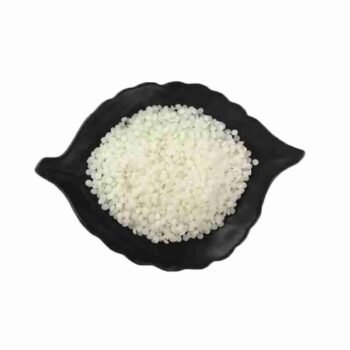
Tetraacetylethylenediamine is a fully acetylated derivative of ethylenediamine, offering a high reactivity as an intermediate in organic synthesis. Its unique structure makes it a critical component in the production of specialty chemicals and pharmaceuticals, ensuring a wide range of applications in the chemical industry.
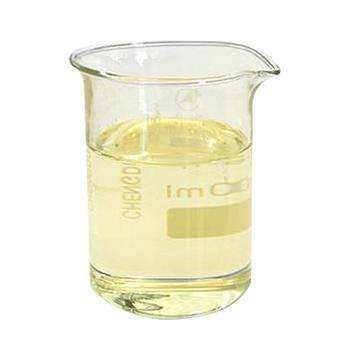
Chemical Name: Potassium Castorate
CAS No.: 8013-05-6
Molecular Formula: C57H107K3O12
Molecular Weight: 1101.74718
Appearance: Yellow Liquid


