

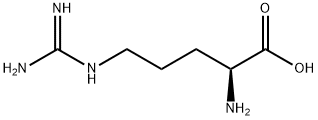
L(+)-Arginine CAS# 74-79-3


L-arginine (or arginine) is an amino acid that is recognized to be the ??building blocks?? of healthy proteins.?We get arginine from our diet plan, especially from animal-derived healthy protein foods, consisting of beef and various other sorts of red meat, chicken, fish, eggs, and also dairy items.
In addition to being normally present in a ??entire healthy protein?? that gives all the important amino acids we need, it is also produced in a research laboratory setting so it can be made use of to develop supplements that benefit heart health, sports efficiency, psychological performance, as well as extra.
L(+)-Arginine CAS #74-79-3
| L(+)-Arginine Basic information |
| Indications and Usage?Mechanisms of Action?Adverse reactions?Toxicity Level?Acute Toxicity?Flammability Characteristics?Handling?Extinguishers |
| Product Name: | L(+)-Arginine |
| Synonyms: | L-Arginine BioUltra, >=99.5% (NT);L-Arginine Vetec(TM) reagent grade, >=98%;L-Arginine, Animal-Free;L-ArginineUSP, 98.5-101.5% (Assay);L-Arginine,99%e.e.;L-Arginine, 99%, Free Base;L-Aarginine;L(+)-ARGININE |
| CAS: | 74-79-3 |
| MF: | C6H14N4O2 |
| MW: | 174.2 |
| EINECS: | 200-811-1 |
| Product Categories: | Amino Acids;pharmacetical;chiral;Arginine [Arg, R];Amino Acids;Amino Acids and Derivatives;for Resolution of Acids;Optical Resolution;alpha-Amino Acids;Biochemistry;Synthetic Organic Chemistry;L-Amino Acids;Nitric Oxide;amino;API;bc0001;74-79-3 |
| Mol File: | 74-79-3.mol |
 |
|
| L(+)-Arginine Chemical Properties |
| Melting point | 222 ??C (dec.) (lit.) |
| alpha | 27.1 o (c=8, 6N HCl) |
| Boiling point | 305.18??C (rough estimate) |
| density | 1.2297 (rough estimate) |
| FEMA | 3819 | L-ARGININE |
| refractive index | 27 ?? (C=8, 6mol/L HCl) |
| storage temp. | 2-8??C |
| solubility | H2O: 100?mg/mL |
| form | powder |
| pka | 1.82, 8.99, 12.5(at 25??) |
| color | white |
| PH | 10.5-12.0 (25??, 0.5M in H2O) |
| PH Range | 10.5 – 12 |
| Odor | Faint |
| Odor Type | bland |
| optical activity | [??]20/D +27??, c = 8 in 6 M HCl |
| Water Solubility | 148.7 g/L (20 oC) |
| Sensitive | Air Sensitive |
| ??max | ??: 260 nm Amax: ??0.2 ??: 280 nm Amax: ??0.1 |
| JECFA Number | 1438 |
| Merck | 14,780 |
| BRN | 1725413 |
| Stability: | Stable. Incompatible with strong oxidizing agents. |
| InChIKey | ODKSFYDXXFIFQN-BYPYZUCNSA-N |
| LogP | -4.20 |
| CAS DataBase Reference | 74-79-3(CAS DataBase Reference) |
| NIST Chemistry Reference | L-Arginine(74-79-3) |
| EPA Substance Registry System | L-Arginine (74-79-3) |
Related Products

Common English name: 5-iodo-2,3-dihydropyridazin-3-one
CAS No.: 825633-94-1
Molecular formula: C4H3IN2O
Molecular weight: 221.98
Sample: Available
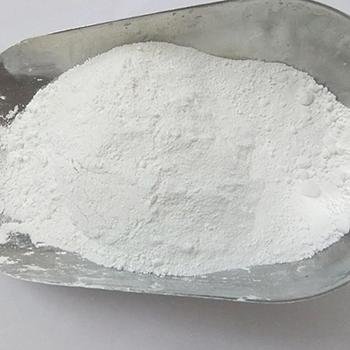
Product name:Cyclopentane
Purity:96%
Appearance:White powder
Package:25kg/bag
Sample:Available

Chemical Name: Potassium Castorate
CAS No.: 8013-05-6
Molecular Formula: C57H107K3O12
Molecular Weight: 1101.74718
Appearance: Yellow Liquid

Chemical Name: Zinc citrate
Synonyms: Zinc citrate trihydrate
CAS No.: 546-46-3
Molecular Formula: C6H8O7Zn
Molecular Weight: 257.5
Appearance: White powder

Chemical Name: Choline salicylate
CAS No.: 2016-36-6
Molecular Formula: C12H19NO4
Molecular Weight: 241.28
Appearance: Red-Brown Crystal

EC 3.4.21.14, previously classified, now redirects to EC 3.4.21.67, identifying endopeptidase So. This serine endopeptidase is integral in the hydrolysis of peptide bonds, a critical function in biological systems. Its applications extend across research and development in the pharmaceutical and biotechnological industries.

Polyglutamic acid (CAS 25513-46-6) is usually in the form of white powder.
Polyglutamic acid is a high molecular compound with good water solubility and biocompatibility.
It has many excellent properties, such as water retention, plant growth promotion, and improved fertilizer utilization. In the agricultural field, it can be used as a fertilizer enhancer, water retainer, etc., which helps to improve the fertility and water retention capacity of the soil and promote the growth and development of crops. For example, adding it to fertilizer can reduce fertilizer loss and improve the effect of fertilizer.
In the field of cosmetics, polyglutamic acid is also used, because its moisturizing properties can be used in skin care products.
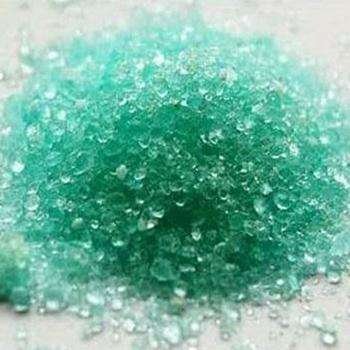
Chemical Name: Ammonium Iron(II) Sulfate
Synonyms: Diammonium iron bis(sulphate); iron (ii) ammonium sulfate
CAS No.: 10045-89-3
Molecular Formula: FeH5NO4S
Molecular Weight: 170.95

Chemical Name: 1,1,2,2-Tetrachloroethane
Other Name: Tetrachlorethane
CAS No.: 79-34-5
Molecular Formula: C2H2Cl4
Molecular Weight: 167.85
Appearance: Liquid

Chemical Name: Quercetin-3-O-sophoroside
CAS No.: 18609-17-1
Molecular Formula: C27H30O17
Molecular Weight: 626.52

Chemical Name: Dehydrocholic acid
Synonyms: Acide dehydrocholique; Triketocholanic acid
CAS No.: 81-23-2
Molecular Formula: C24H34O5
Molecular Weight: 402.53
Appearance: Powder
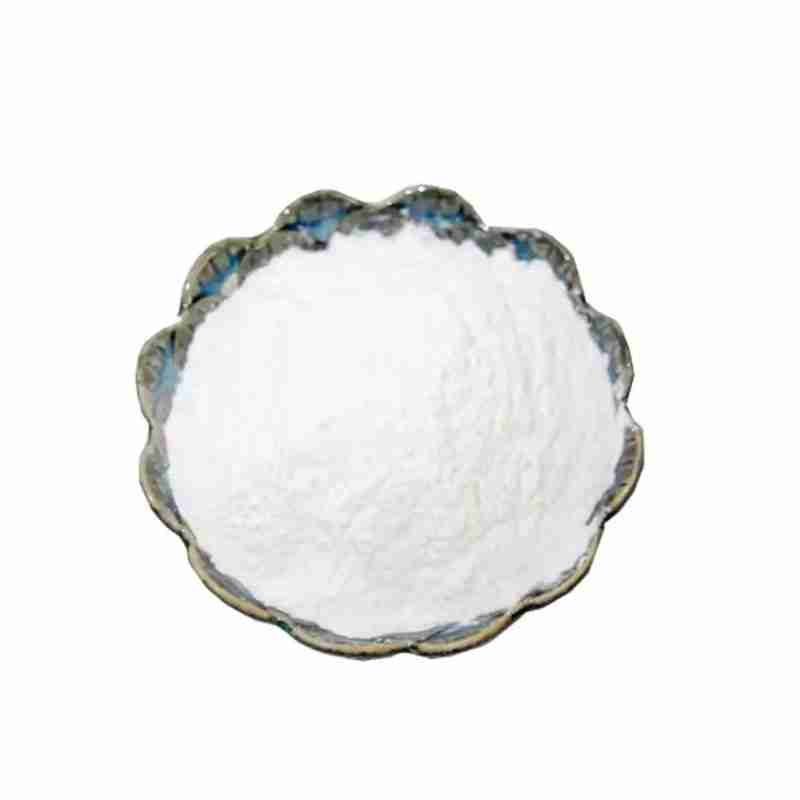
Polyglutamic acid (y-PGA), also known as natto gum, is a high molecular peptide polymer synthesized from several glutamic acid monomers through microbial fermentation. It is rich in glutamic acid, glucose, protein and minerals. , vitamins and other biologically active substances.
Polyglutamic acid (??-PGA) is a sticky substance that was first discovered in ??Natto??. It is currently widely used in agricultural production and is called a new biostimulant. It is fully water-soluble, biodegradable, edible, and non-toxic. It is a biopolymer produced by microbial fermentation.


