
Description
Wollastonite Quick Details
Chemical Name: Wollastonite; Calcium metasilicate
CAS No.:13983-17-0
Molecular Fomula: CaO3Si
Molecular weight:116.16
Chemical Structure:
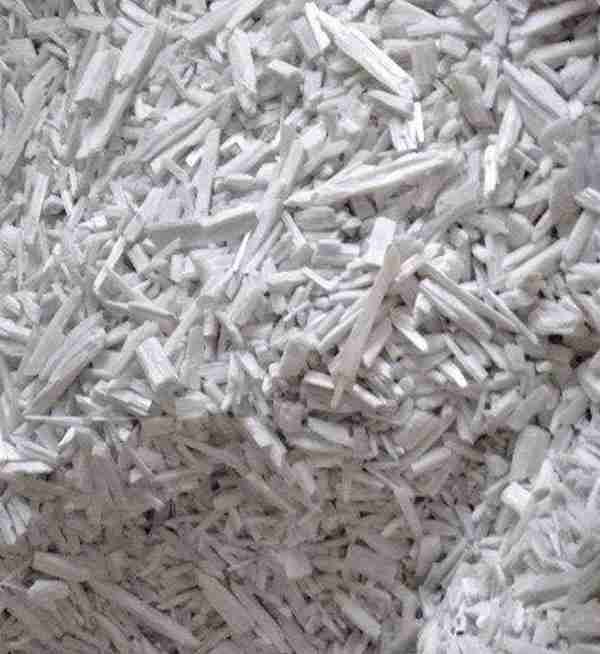
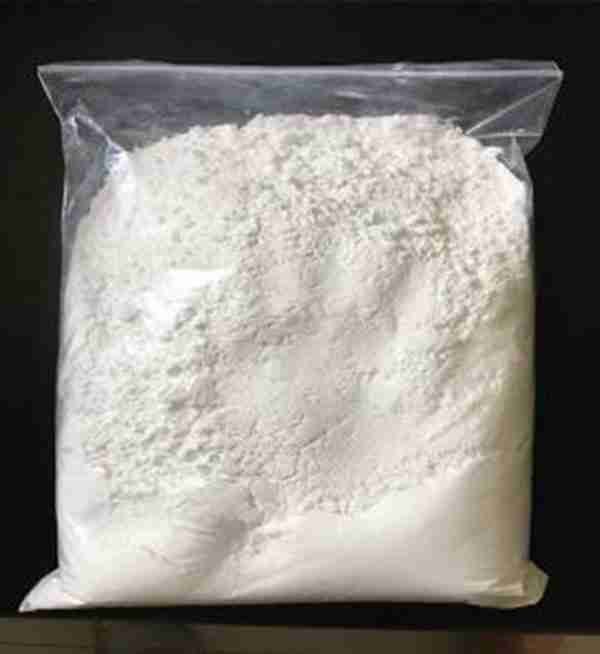
Appearance:White fine plate crystal
Assay: Cao 40%min ,Sio2 50%min
Wollastonite Typical Properties
Item
Standard
Results
Method
Cao
?R40%
42.35%
Titration
Sio2
?R50%
50.38%
Titration
Mgo
?Q3.0%
2.47%
Titration
Fe2O3
?Q0.1%
0.1%
Titration
Al2O3
?Q1%
0.66%
Titration
LO1
?Q4%
3.62
1000/h
Physical property
Whiteness
90??2%
91%
ISO Whiteness meter
Ratio of length to diameter
/
4:1
Microscopic observation
Density of loose fitting
?Q0.30 g/cm2
0.290 g/cm2
BT-300 Bulk density meter
Vibratory density
/
/
BT-300 Vibratory density Meter
Water content
?Q0.2%
0.12%
105/2h
Oil absorption value
/
/
Titration
Mesh size
200 mesh ( 97% Rate of passing )
Wollastonite Usage
1. This product can be used as a body pigment and extender in the coating industry. Because it can increase the bright color of white paint, and can maintain this color tone for a long time.
2. The needle crystal of this product makes it a good safe agent for coatings and can improve the leveling of the coating.
3. The particle shape of the product makes it a good suspending agent for the coating, making the precipitation of the paint soft and easy to disperse. It can be used as a reinforcing agent in self-cleaning coatings.
4. This product is very alkaline, very suitable for polyvinyl acetate coating, so that the color pigment dispersion is uniform. Wollastonite also has improved corrosion resistance of metallic paints. In addition to waterborne coatings, it can also be used in primers, intermediate coatings, oil coatings, road marking coatings, etc., and can replace asbestos in asphalt coatings. It can partially replace titanium dioxide in latex paint without reducing whiteness and hiding power.
5. This product can also be used in metallurgy, ceramics, welding electrodes, plastics, rubber and other industries.
Wollastonite Packaging and Shipping
Packing: 25kg bag or drum ,1000kg bag
Delivery: by air ,by sea ,by courier
Wollastonite Storage
Stored in a cool dry place out of direct sunlight.
Related Products

Calcium carbonate, with the chemical formula CaCO3, is an inorganic compound found in nature as calcite, aragonite, and vaterite. It is a white solid that is insoluble in water but soluble in acid. Widely used as a filler and coating pigment in paper and plastics, calcium carbonate also serves as a primary ingredient in the production of cement and lime. Known for its high purity and chemical stability, it is utilized in pharmaceuticals, food additives, and as a dietary calcium supplement. Its versatility makes it an essential component in various industrial applications.

Chemical Name: Zinc citrate
Synonyms: Zinc citrate trihydrate
CAS No.: 546-46-3
Molecular Formula: C6H8O7Zn
Molecular Weight: 257.5
Appearance: White powder
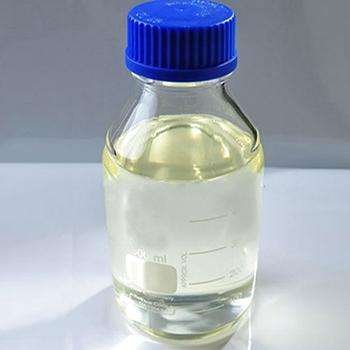
Chemical Name: 1,1,2,2-Tetrachloroethane
Other Name: Tetrachlorethane
CAS No.: 79-34-5
Molecular Formula: C2H2Cl4
Molecular Weight: 167.85
Appearance: Liquid
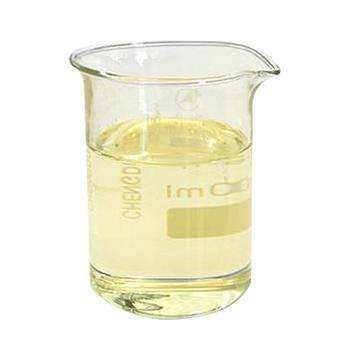
Chemical Name: Potassium Castorate
CAS No.: 8013-05-6
Molecular Formula: C57H107K3O12
Molecular Weight: 1101.74718
Appearance: Yellow Liquid

Carbon is a fundamental element found in all organic life and a key component of many inorganic materials. It is known for its ability to form long chains and complex structures, which makes it the basis of various compounds, including diamond, graphite, and fullerenes. Carbon is used in a wide range of applications, from manufacturing steel and other alloys to being a key element in batteries and as a pigment in inks and paints.
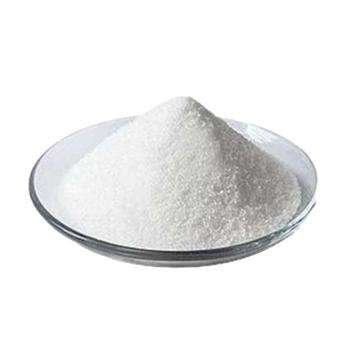
Chemical Name: 3-Hydroxybutyric acid
CAS No.: 625-71-8
Molecular Formula: C4H8O3
Molecular Weight: 104.1
Appearance: White powder

Copper(II) sulfate, with the chemical formula CuSO4, is a blue crystalline compound that is soluble in water. It is commonly used in agriculture as a fungicide and in the textile industry as a dye fixative. Copper(II) sulfate is also utilized in the manufacture of pigments, batteries, and as an algaecide in water treatment. Its distinctive blue color and reactivity make it a versatile chemical in various industrial applications, including chemical analysis and electroplating.
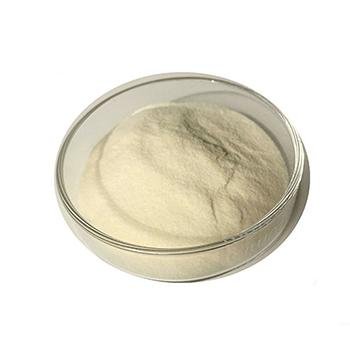
Chemical Name: Quercetin-3-O-sophoroside
CAS No.: 18609-17-1
Molecular Formula: C27H30O17
Molecular Weight: 626.52

Aluminum chlorohydrate is an inorganic compound often used as a coagulant in water treatment processes. It is also known for its astringent properties and is utilized in various personal care products, such as antiperspirants and deodorants, due to its ability to temporarily close sweat glands. It enhances the viscosity and stability of formulations, making it a valuable ingredient in cosmetics and pharmaceuticals.
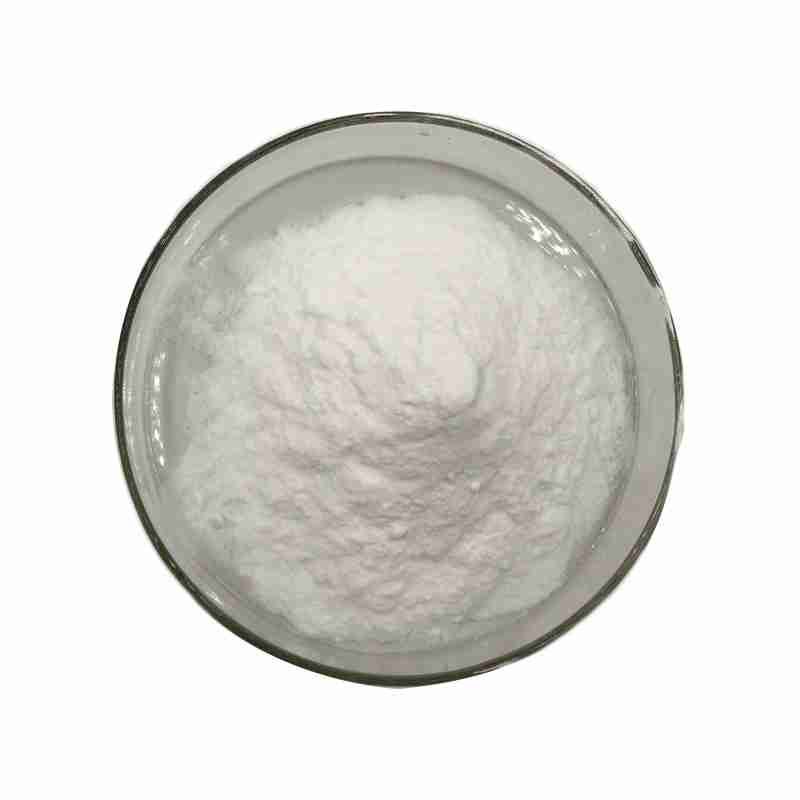
Ammonium sulfamate is a white crystalline compound with the chemical formula (NH4)2SO3. It is a versatile chemical used in various applications, including as a flame retardant, a fertilizer ingredient, and a chemical intermediate. In the agricultural sector, it serves as a source of nitrogen, promoting plant growth. As a flame retardant, it is effective in reducing the flammability of materials. Additionally, it is used in the synthesis of other chemicals due to its reactivity with amines and other organic compounds. Its properties make it a valuable component in a range of industrial processes.

Water glass is an aqueous solution of silicate, which is as crystal clear as glass but as fluid as water. It is a soluble alkali metal silicate material composed of a combination of alkali metal oxides and silica.
Water glass plays an important role in industry, agriculture, technology and other fields. As a binder, water glass has occupied a place in the industrial field since its inception. It can be used to block the sewage leaked from the Fukushima nuclear power plant, or to repair cracks in brick walls; it also has anti-corrosion and acid resistance properties. , is an important material for acid-resistant floors and acid-resistant pools in industrial buildings; painting concrete pavements with water glass can also increase the frost resistance and water resistance of the pavement.

Strontium chloride is an inorganic compound with the chemical formula SrCl2. It is a white crystalline solid that is highly soluble in water. This compound is used in various applications, including the production of strontium salts for??? and pyrotechnics, where it imparts a deep red color to the flame. Additionally, strontium chloride is utilized in metallurgy as an ingredient in alloys and in the medical field for certain diagnostic procedures. Its chemical properties make it a valuable substance in a range of industrial and scientific applications.



Reviews
There are no reviews yet.