
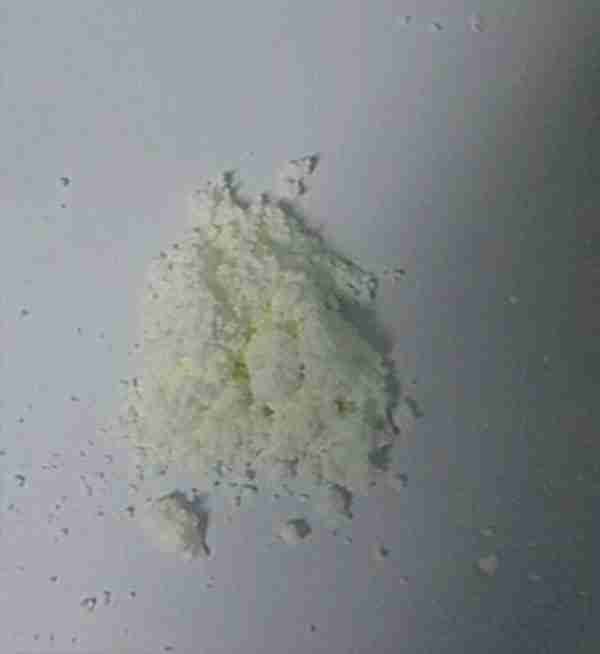
beta-diphosphopyridine nucleotide biocatalysis grade cas 53-84-9
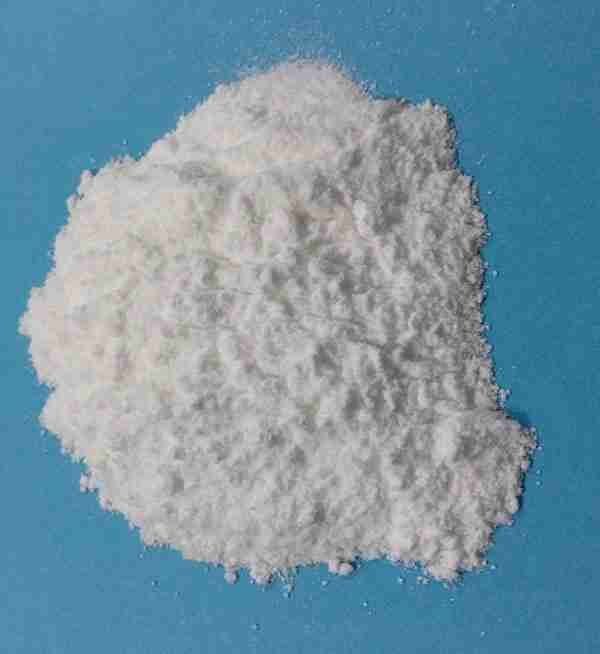
Chemical Name: beta-Diphosphopyridine nucleotide
CAS No.: 53-84-9
Molecular Fomula: C21H27N7O14P2
Molecular weight: 663.43
Appearance: white to light yellow powder
Assay: 95% Biocatalysis Grade
Description
beta-Diphosphopyridine nucleotide Biocatalysis Grade Quick Details
Chemical Name: beta-Diphosphopyridine nucleotide
CAS No.: 53-84-9
Molecular Fomula: C21H27N7O14P2
Chemical Structure:
Molecular weight: 663.43
Appearance: white to light yellow powder
Assay: 95%
beta-Diphosphopyridine nucleotideBiocatalysis Grade Typical Properties
Item
Standard
Appearance
White to yellowish powder
Purity (HPLC)
?R98%
Assay of ??-NAD(enzym.)(calc.on dry basis)
?R97%
Sodium content
?Q1%
Water content
?Q5%
PH value in water (100mg/ml)
2.0-4.0
Methanol (by GC)
?Q1%
Ethanol (by GC )
?Q2%
Heavy metal content
?Q0.5ppm
Pb
As
?Q0.5ppm
beta-Diphosphopyridine nucleotideBiocatalysis Grade Usage
It is a necessary coenzyme in organism, used in biochemical research, clinical diagnosis, clinical drug and drug research.
beta-Diphosphopyridine nucleotideBiocatalysis Grade Packaging and Shipping
Packing:1kg/ bottle 25kg/drum
Delivery:3-5working days after receipt of payment
Related Products

Copper acetate peptide, also known as blue copper peptide. Copper peptide, also known as tripeptide in Chinese; Glycyl-L-histomyl-L-lysine. Peptide is a small molecule protein composed of amino acids, which are more easily absorbed by the skin and have more significant effects. It was first isolated from human plasma in 1973 and was discovered to have wound repair function in 1985. In 1999, researchers believed that copper peptide and its copper repair products can serve as activators of tissue remodeling, and it is also a signaling peptide, Promote the degradation of a large amount of collagen aggregates outside scars, the synthesis of normal collagen in the skin, the generation of elastin, proteoglycans, and glucosamine glycans, the growth rate and migration of different cell types, anti-inflammatory, and antioxidant responses.
Chemical Name: Imazalil Sulfate
CAS No.: 58594-72-2
Molecular Formula: C14H14Cl2N2O.H2SO4
Molecular Weight: 395.26
Appearance: Solid

Chemical Name: N-Acetyl-D-mannosamine
Cas: 7772-94-3
MF: C8H15NO6
MW: 221.21
Appearance: White to off-white powder
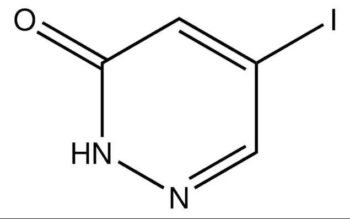
Common English name: 5-iodo-2,3-dihydropyridazin-3-one
CAS No.: 825633-94-1
Molecular formula: C4H3IN2O
Molecular weight: 221.98
Sample: Available

Chemical Name:?UDP-glucuronic acid
CAS No.: 2616-64-0
Molecular Fomula: C15H22N2O18P2
Molecular weight: 580.28
Appearance: Solid
Assay: 98%
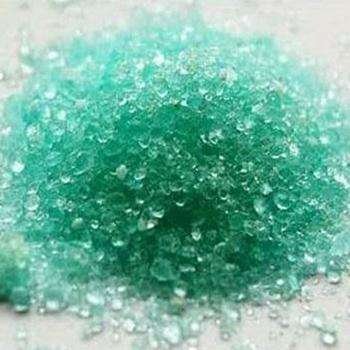
Chemical Name: Ammonium Iron(II) Sulfate
Synonyms: Diammonium iron bis(sulphate); iron (ii) ammonium sulfate
CAS No.: 10045-89-3
Molecular Formula: FeH5NO4S
Molecular Weight: 170.95
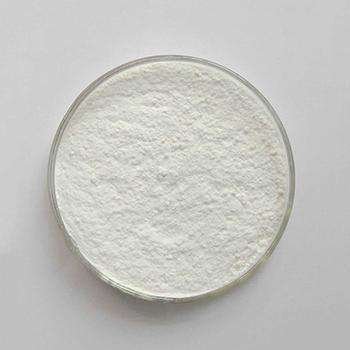
Chemical Name: Zinc citrate
Synonyms: Zinc citrate trihydrate
CAS No.: 546-46-3
Molecular Formula: C6H8O7Zn
Molecular Weight: 257.5
Appearance: White powder
Chemical Name: STODDARD SOLVENT
CAS No.: 64742-88-7
Appearance: Colorless or Light Yellow Liquid
Chemical Name: 3-Hydroxybutyric acid
CAS No.: 625-71-8
Molecular Formula: C4H8O3
Molecular Weight: 104.1
Appearance: White powder

Hydroxyproline is a non-essential amino acid divided from another amino acid called proline. It is created by the communication of proline with ascorbic acid vitamin C. This process produces a hydroxyl team bound to a hydrogen-oxygen particle, which is affixed to a carbon particle of proline as well as converted to hydroxyproline.Trans-4-hydroxy-l-proline is an optically energetic form of 4-hydroxyproline with l-trans setup. It can be used as human metabolite, plant metabolite and also computer mouse metabolite. It is an tautomer of trans-4-hydroxy-l-proline zwitterions.
EC 3.4.21.14, previously classified, now redirects to EC 3.4.21.67, identifying endopeptidase So. This serine endopeptidase is integral in the hydrolysis of peptide bonds, a critical function in biological systems. Its applications extend across research and development in the pharmaceutical and biotechnological industries.

Hydrolyzed keratin is originated from wool and is a light yellow to brownish-yellow clear fluid with a particular smell. It needs to undertake unique organic treatment to come to be brief peptides prior to it can be naturally used. Treated keratin is an acknowledged prospective resource of high-quality healthy protein with high nutritional value and secure quality.
It is a keratin hydrolysate derived from acid, enzyme and other hydrolysis methods, and has been used in feed and food industry, pharmacy, fertilizer, pesticide, environmental protection, leather industry, cosmetics and many other fields. Specifically, the material can be blended with polyamide 6 to prepare nanofibers for adsorbing chromium (VI). In addition, the compound can be used as an effective ingredient in the manufacture of shampoo, shower gel and shower gel. In addition, the chemical can be used as an effective ingredient in the production of deodorization compositions. In addition, the substance has been proven to be useful as a hair styling agent.



Reviews
There are no reviews yet.