
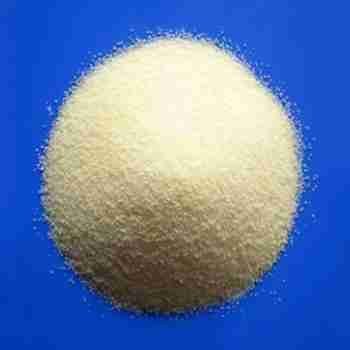
Vitamin A acetate cas 127-47-9

Assay: 2.8*106 IU/g
Appearance: Pale yellow crystal
Package: 25kg/drum
Capability: 800MT/year
Sample: Available
related documents:
COA of Vitamin A acetate 127-47-9
Request for product documents
Description
Vitamin A acetate
Vitamin A acetate 2.8MIU/g Quick?Details
Chemical Name: Vitamin A acetate 2.8MIU/g
CAS No.: 127-47-9
Molecular Formula: C22H32O2
Molecular Weight??328.49
Appearance: Pale yellow crystal
Vitamin A acetate 2.8MIU/g Typical Properties
Item
Method
Standard
Appearance
EP/GB 1903.31
Pale yellow crystal
Color reaction
USP/FCC/GB 1903.31
Conform
Thin -Layer Chromatography
USP/FCC/GB 1903.31
Conform
Related substances
A100/A326
EP/USP
?Q0.6
A350/A326
EP/USP
?Q0.54
A370/A326
EP/USP
?Q0.14
Assay
EP/USP
?R2.8*106 IU/g
Expressed as retinol
Activity equivalents
EP/USP
?R840,000cmg R.AE/G
Acid value
EP/GB 1903.31
?Q2.0mg/g
Peroxide Value
EP/GB 1903.31
?Q10.0meq/kg
Retinol
EP/in house
?Q1.0%
Arsenic
GB5009.76
?Q1.0mg/kg
Lead
GB5009.12
?Q1.0mg/kg
Residual solvent
EP/USP/ICH
Conform to ICH
?
Vitamin A acetate 2.8MIU/g Usage
1.Skin care, remove wrinkles, whitening
2.For vitamin A deficiency.
3.It can penetrate the skin, resist keratinization, stimulate the growth of collagen and elastin, and increase the thickness of epidermis and dermis.Enhance skin elasticity, effectively eliminate wrinkles, promote skin renewal, maintain skin vitality.Used for eye cream, moisturizing cream, repair cream, shampoo, hair conditioner, etc.
4.Vitamin A acetate can maintain the normal metabolism of human body, maintain the stability and development of cell membrane, maintain the normal function of the reproductive system, and play an obvious role in the formation of vision, easing the keratinization of tissues, and enhancing the immune ability of cells.
Vitamin A acetate 2.8MIU/g Packaging and Shipping
Packing: 25kg/drum
By air or by sea or by Courier
Vitamin A acetate 2.8MIU/g Storage
Storage Conditions: Vitamin A acetate should be stored in unopened original containers at room temperature.Avoid light, heat, oxygen contact and moist environment.Once opened, please use as soon as possible.
Related Products
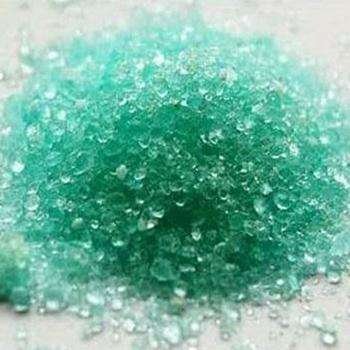
Chemical Name: Ammonium Iron(II) Sulfate
Synonyms: Diammonium iron bis(sulphate); iron (ii) ammonium sulfate
CAS No.: 10045-89-3
Molecular Formula: FeH5NO4S
Molecular Weight: 170.95
POLY(VINYL CHLORIDE-CO-ISOBUTYL VINYL ETHER) is a copolymer that combines the properties of vinyl chloride and isobutyl vinyl ether. This polymer offers a balance of rigidity and flexibility, along with enhanced chemical resistance and durability. It is commonly used in the production of films, coatings, and adhesives due to its excellent barrier properties against gases and moisture, making it ideal for packaging and construction applications.

N,N-Dimethylaniline is an organic compound with amine and methyl groups attached to a benzene ring. It is a colorless liquid with a characteristic amine odor. This compound is primarily used as a chemical intermediate in the synthesis of dyes, pigments, and polymers. Its reactivity makes it a valuable building block in the production of various organic compounds, particularly in the pharmaceutical and chemical industries.
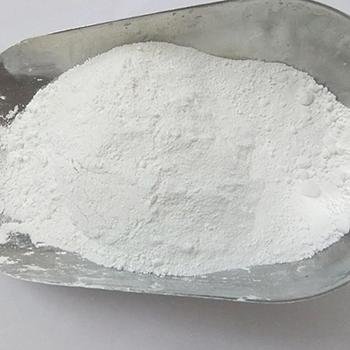
Product name:Cyclopentane
Purity:96%
Appearance:White powder
Package:25kg/bag
Sample:Available

Chemical Name: 3-Hydroxybutyric acid
CAS No.: 625-71-8
Molecular Formula: C4H8O3
Molecular Weight: 104.1
Appearance: White powder
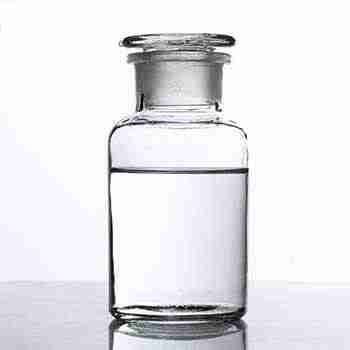
1-Octanol, also known as Capryl alcohol or n-Octanol, is a clear, colorless liquid with a characteristic waxy odor. It is an alcohol with eight carbon atoms in its chain, making it a part of the aliphatic alcohol family. This compound is poorly soluble in water but is miscible with ethanol, diethyl ether, and chloroform . It has a melting point of approximately -15??C and a boiling point of around 196??C . 1-Octanol is used in the production of esters, plasticizers, and as a solvent or intermediate in the synthesis of various organic compounds. It also finds application in the fragrance industry as a fixative in perfumes and can be used in the formulation of flavor and scent compositions . It is important to note that 1-Octanol is flammable and should be handled with care, storing it away from sources of ignition and heat .

Butylated Hydroxytoluene (BHT) is a synthetic phenolic antioxidant commonly added to foods, cosmetics, and packaging to prevent the oxidation of fats and oils, thereby extending their shelf life. It is also used as a preservative in a variety of products, including rubber, petroleum products, and animal feed. BHT is recognized for its effectiveness in maintaining nutrient levels, color, flavor, and odor in food products . It is known to have a melting point of 69-71??C, a boiling point of 265??C, and is soluble in ethanol, acetone, and benzene, but not in water, glycerin, or propylene glycol . BHT is also used in some dietary supplements due to its antioxidant properties . However, it is important to handle BHT with care, as it can cause skin irritation and is considered harmful if swallowed .

Chemical Name: UV-120
Other Name: (2’,4’-Di-tert-butylphenyl 3,5-di-tert-butyl-4-hydroxybenzoate)
CAS No.: 4221-80-1
Molecular Fomula: C29H42O3
Molecular weight: 438.66
Assay: ≥99%(LC)
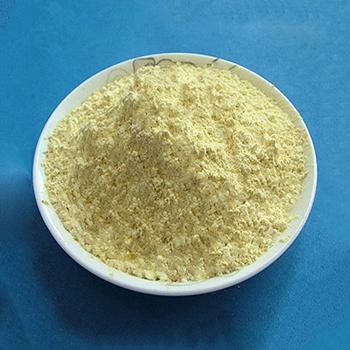
Product name:HYDROXYPROPYL GUAR HYDROXYPROPYLTRIMONIUM CHLORIDE
Purity:99%
Appearance:Light Yellow Powder
Package:Customized according to customer needs.
Sample:Available

Chemical Name: 1,1,2,2-Tetrachloroethane
Other Name: Tetrachlorethane
CAS No.: 79-34-5
Molecular Formula: C2H2Cl4
Molecular Weight: 167.85
Appearance: Liquid
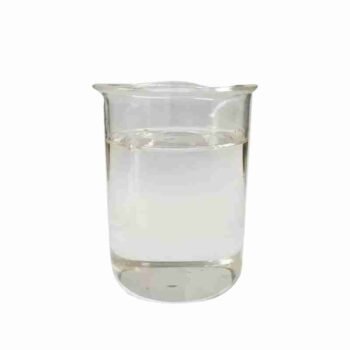
Silicone oil, known for its chemical designation as dimethicone or polydimethylsiloxane, is a synthetic polymer with a backbone of alternating silicon and oxygen atoms, creating a highly versatile and stable compound. It is renowned for its exceptional lubricating properties, heat resistance, and non-toxic nature, making it a staple in various industries, including cosmetics, automotive, and aerospace.
This hydrophobic, non-volatile oil is valued for its ability to provide a smooth, non-greasy feel and to form stable emulsions with other ingredients. In personal care products, silicone oil is used to impart a silky texture, reduce friction on the skin, and create a protective barrier against environmental stressors without clogging pores.
Silicone oil’s chemical inertness and resistance to oxidation contribute to its long shelf life and stability in formulations. It is also appreciated for its compatibility with a wide range of substances, allowing for the creation of multifunctional products.
In summary, silicone oil is a reliable and multifaceted ingredient, offering a combination of performance, safety, and sensory benefits. Its use in a variety of applications reflects its versatility and enduring appeal in the marketplace.

Chemical Name: Ashwagandha Extract
Synonyms: Withania somnifera, ext.; Withania Somnefera Extract
CAS: 90147-43-6
Appearance: Brown



Reviews
There are no reviews yet.