
Description
Glucose oxidase Details
Chemical Name: Glucose oxidase
CAS No.: 9001-37-0
Molecular Formula: NULL
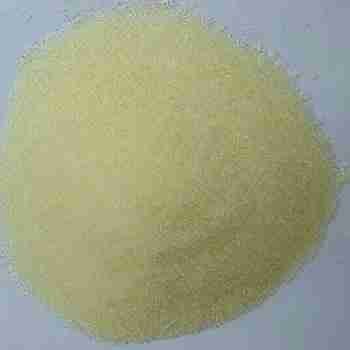
Appearance: Yellow powder
?Typical Properties
Density
1.00g/mLat20??C
Storage conditions
2-8??C
Color
yellow
PH
4.5
Glucose oxidase Usage
???? antioxidants, color protectors, preservatives, enzyme preparations. Flour reinforcement agent. Enhanced strength of gluten
???? glucose oxidase as a food additive with glucose conversion and removal of residual oxygen
Packaging and Shipping
Packing: 25 KG/Drum
Glucose oxidase Storage
Should be stored at room temp, away from heat, moisture, and direct light.
Related Products


Carnosine was discovered together with carnitine by the Russian chemist Gurevitch. Studies in the UK, South Korea, Russia and other countries have shown that carnosine has strong antioxidant capacity and is beneficial to the human body. Carnosine has been shown to scavenge reactive oxygen species (ROS) and ??-?? unsaturated aldehydes formed during oxidative stress by excessive oxidation of fatty acids in cell membranes.
L-Carnosine is a small molecule with a left-handed structure of a natural dipeptide that is ubiquitous in nature. It is a dipeptide composed of ??-alanine and L-histidine. Carnosine has cellular antioxidant, anti-aging and various physiological health functions and medical effects. It has therapeutic effects on hypertension, heart disease, senile cataracts, ulcer healing, etc. It also has anti-tumor, immune model tests, and anti-stress effects. stimulating factors and other effects.
Chemical Name: Potassium Castorate
CAS No.: 8013-05-6
Molecular Formula: C57H107K3O12
Molecular Weight: 1101.74718
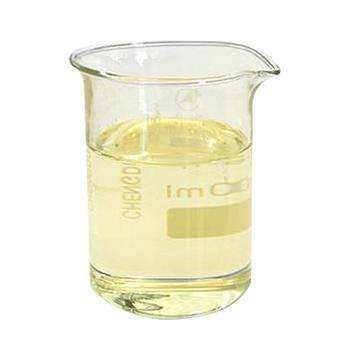
Appearance: Yellow Liquid
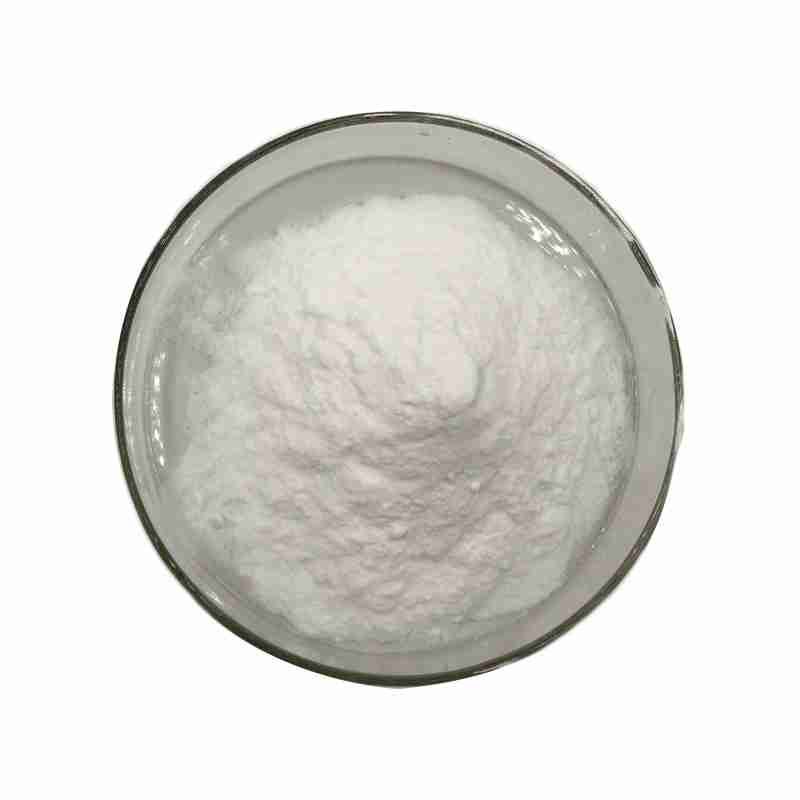
EC 3.4.21.14, previously classified, now redirects to EC 3.4.21.67, identifying endopeptidase So. This serine endopeptidase is integral in the hydrolysis of peptide bonds, a critical function in biological systems. Its applications extend across research and development in the pharmaceutical and biotechnological industries.

L-arginine (or arginine) is an amino acid that is recognized to be the ??building blocks?? of healthy proteins.?We get arginine from our diet plan, especially from animal-derived healthy protein foods, consisting of beef and various other sorts of red meat, chicken, fish, eggs, and also dairy items.
In addition to being normally present in a ??entire healthy protein?? that gives all the important amino acids we need, it is also produced in a research laboratory setting so it can be made use of to develop supplements that benefit heart health, sports efficiency, psychological performance, as well as extra.

Hydroxyproline is a non-essential amino acid divided from another amino acid called proline. It is created by the communication of proline with ascorbic acid vitamin C. This process produces a hydroxyl team bound to a hydrogen-oxygen particle, which is affixed to a carbon particle of proline as well as converted to hydroxyproline.Trans-4-hydroxy-l-proline is an optically energetic form of 4-hydroxyproline with l-trans setup. It can be used as human metabolite, plant metabolite and also computer mouse metabolite. It is an tautomer of trans-4-hydroxy-l-proline zwitterions.
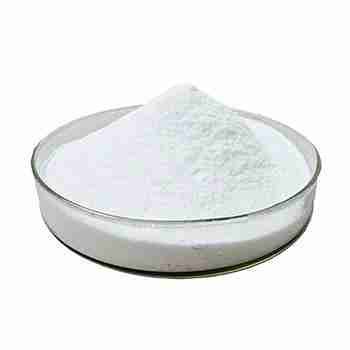
Chemical Name: beta-NADH disodium salt
Other name: beta-Nicotinamide adenine dinucleotide disodium salt
CAS No.: 606-68-8
Molecular Fomula: C21H30N7NaO14P2
Molecular weight:?689.44
Appearance:?white to light yellow powder
Assay: 95%min

Chemical Name: N-Acetyl-D-mannosamine
Cas: 7772-94-3
MF: C8H15NO6
MW: 221.21
Appearance: White to off-white powder

Coenzyme A sodium salt hydrate (CAS 55672-92-9) is an important biologically active substance.
Appearance: Usually white or off-white powder. Solubility: Easily soluble in water, forming a clear solution in water.
Function: In the body, coenzyme A sodium salt hydrate is an important coenzyme that participates in a variety of biochemical reactions. It plays a key role in the metabolism of fatty acids, promoting the activation and oxidative decomposition of fatty acids. It participates in the tricarboxylic acid cycle and provides energy for cells. It is also important for the metabolism of certain amino acids.
Application: Commonly used in biochemistry and molecular biology research as a cofactor for enzyme reactions.
In the field of medicine, it may be used in the treatment or adjuvant treatment of certain diseases.
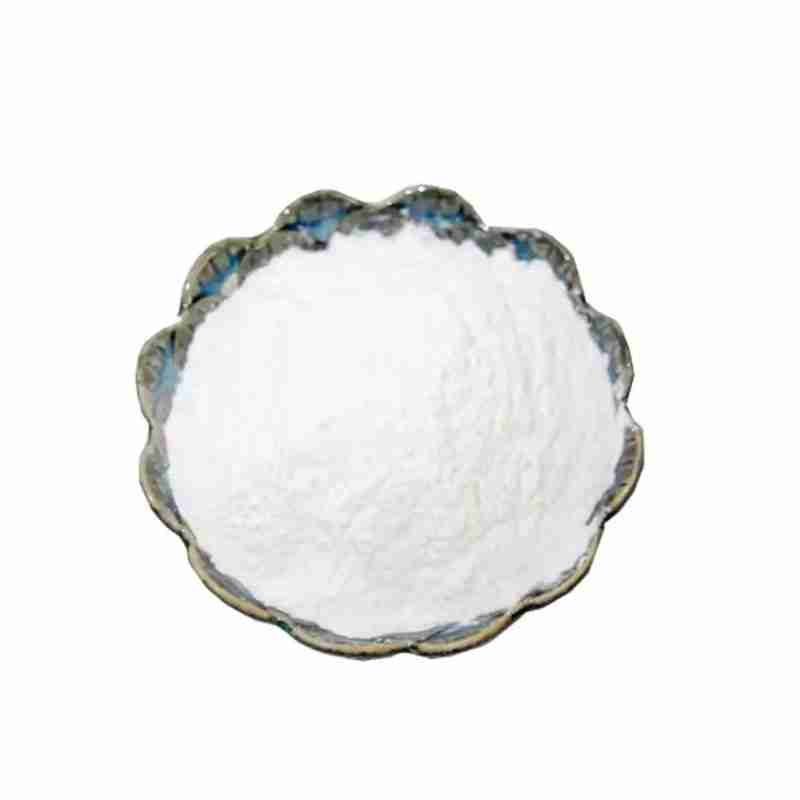
Polyglutamic acid (y-PGA), also known as natto gum, is a high molecular peptide polymer synthesized from several glutamic acid monomers through microbial fermentation. It is rich in glutamic acid, glucose, protein and minerals. , vitamins and other biologically active substances.
Polyglutamic acid (??-PGA) is a sticky substance that was first discovered in ??Natto??. It is currently widely used in agricultural production and is called a new biostimulant. It is fully water-soluble, biodegradable, edible, and non-toxic. It is a biopolymer produced by microbial fermentation.
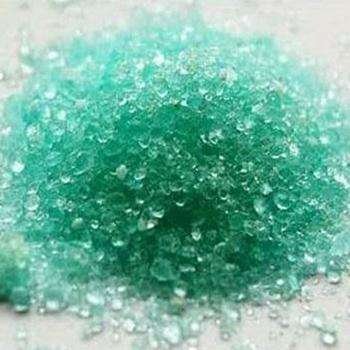
Chemical Name: Ammonium Iron(II) Sulfate
Synonyms: Diammonium iron bis(sulphate); iron (ii) ammonium sulfate
CAS No.: 10045-89-3
Molecular Formula: FeH5NO4S
Molecular Weight: 170.95
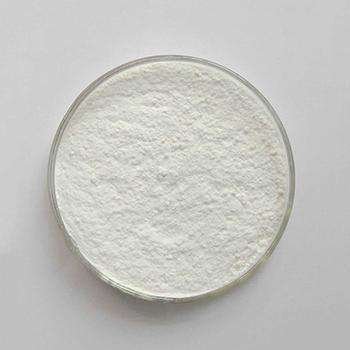
Chemical Name: Zinc citrate
Synonyms: Zinc citrate trihydrate
CAS No.: 546-46-3
Molecular Formula: C6H8O7Zn
Molecular Weight: 257.5
Appearance: White powder
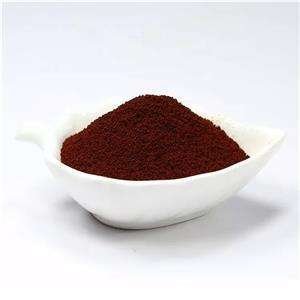
Chemical Name: Choline salicylate
CAS No.: 2016-36-6
Molecular Formula: C12H19NO4
Molecular Weight: 241.28
Appearance: Red-Brown Crystal



Reviews
There are no reviews yet.